
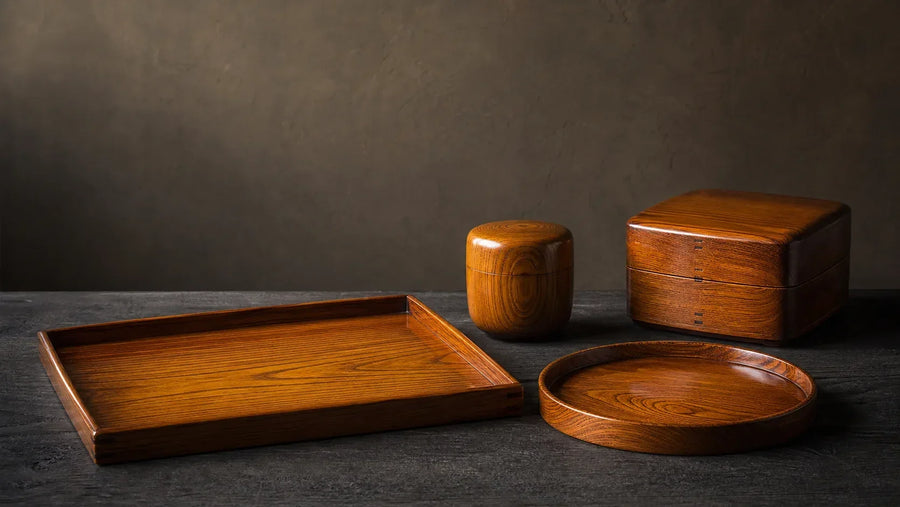
Hida Shunkei: The Transparent Lacquer That Shows the Wood
Hida Shunkei lacquerware from Takayama: visible wood grain, warm transparent urushi, yellow and red grounds, and practical care.
Hida Shunkei lacquerware from Takayama: visible wood grain, warm transparent urushi, yellow and red grounds, and practical care.
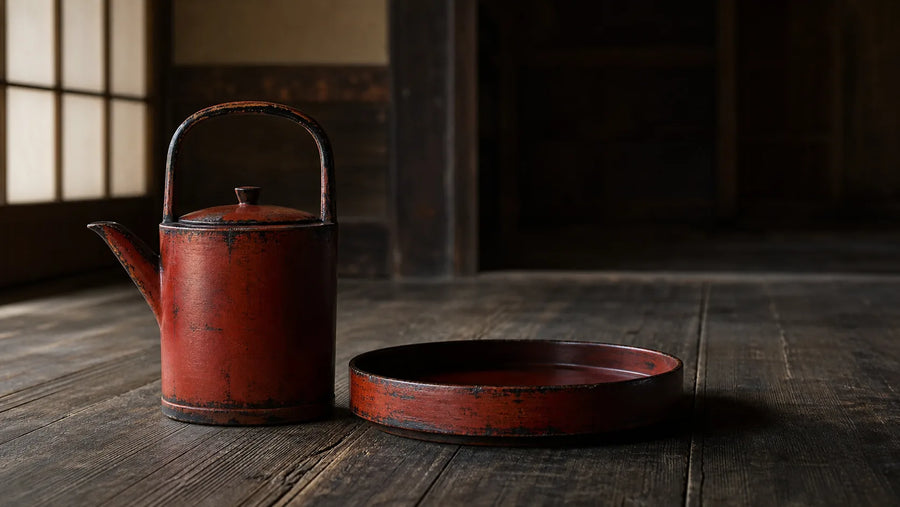
Negoro lacquer’s red-over-black surface, its connection with Negoro-ji, the patina of historical objects, and care for modern lacquerware.
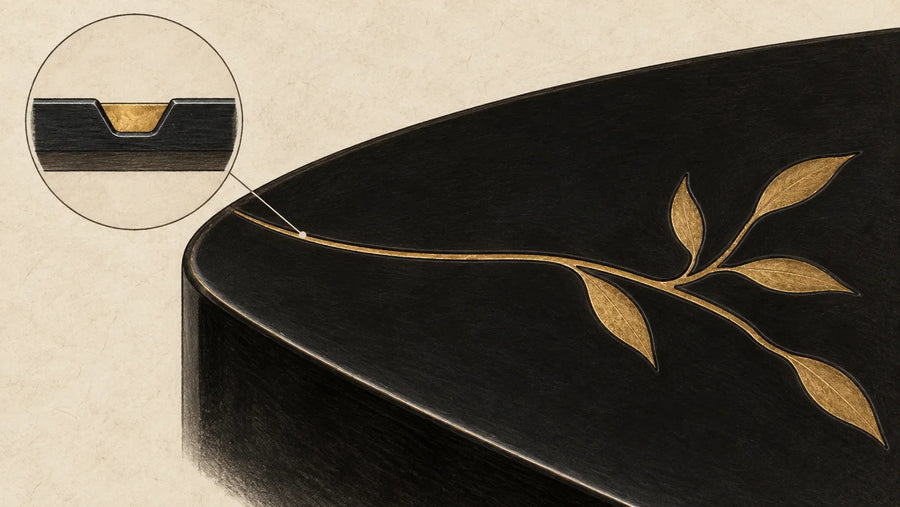
Chinkin decorates lacquer with engraved lines and points filled with gold leaf or powder. Explore Wajima’s technique, provenance, and care.
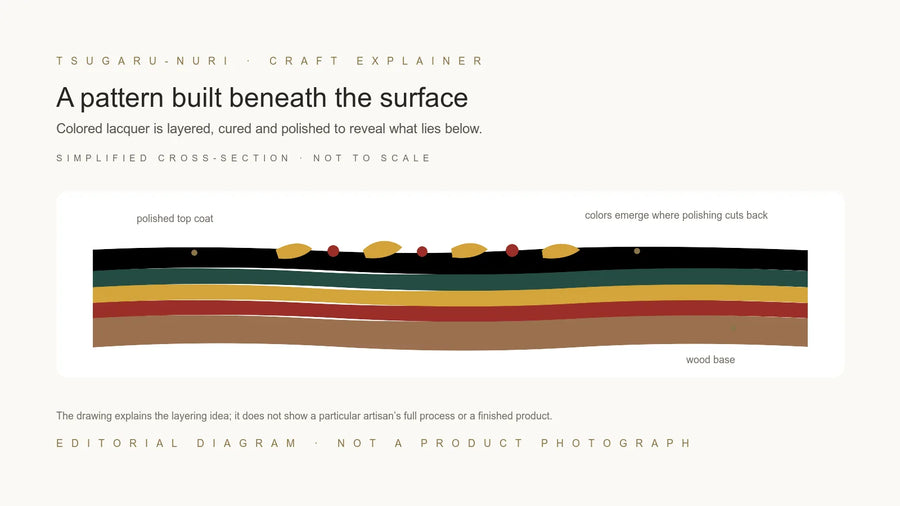
Tsugaru-nuri from Aomori: layered and polished urushi, the kara, nanako, monsha, and nishiki styles, and care for lacquerware in everyday use.

Explore Yamanaka lacquerware: woodturning, grain-revealing urushi, tea utensils, and the distinction between traditional wooden work and modern resin products.
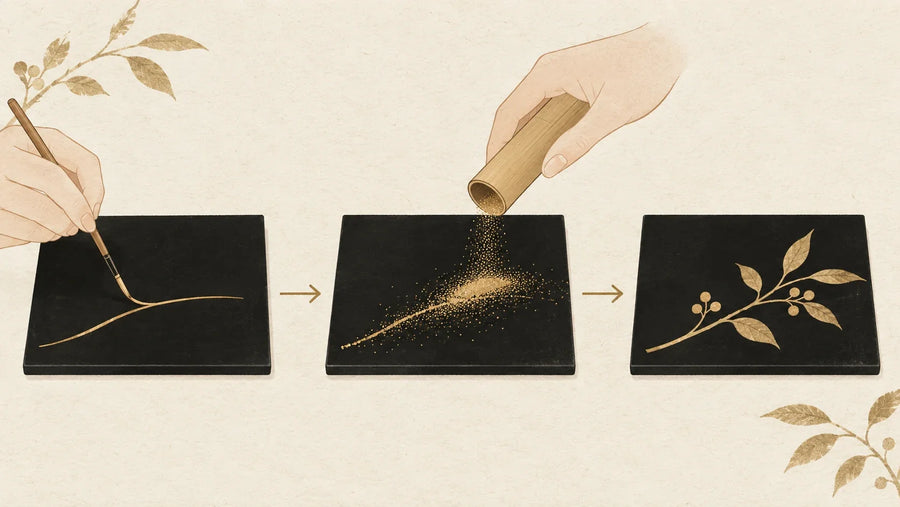
Maki-e lacquer decoration: Nara-period roots, flat, polished and raised techniques, provenance, and care for sprinkled-gold work.
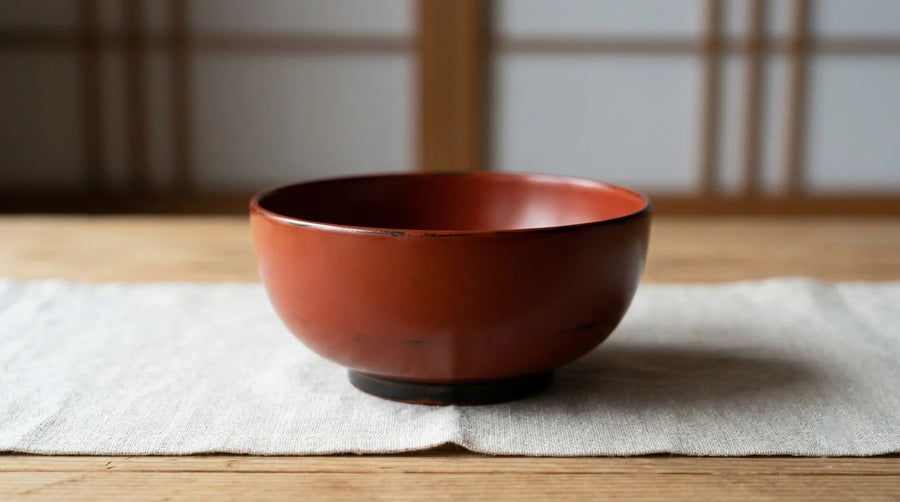
Kishu lacquerware from Wakayama: Kuroe, Negoro finishes, traditional wood and urushi, modern resin products, and care based on each piece’s materials.

How Wajima-nuri is built, from cloth reinforcement and ji-no-ko foundations to plain lacquer, chinkin and maki-e, with advice on choosing and caring for a piece.