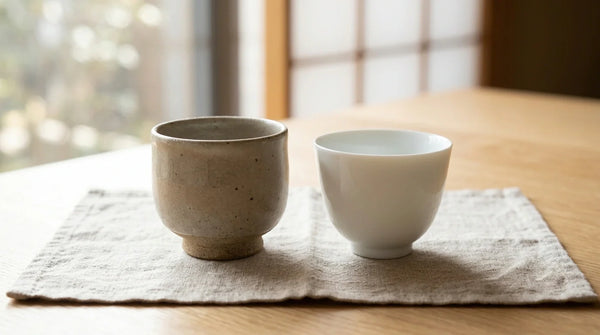
Banko Ware: The Mie Tradition Behind Japan's Donabe
Banko ware from Yokkaichi, Mie produces about 80 percent of Japan's donabe clay pots. A guide to its tea-merchant origins, petalite clay, shidei teapots, and how to choose...
The Journal
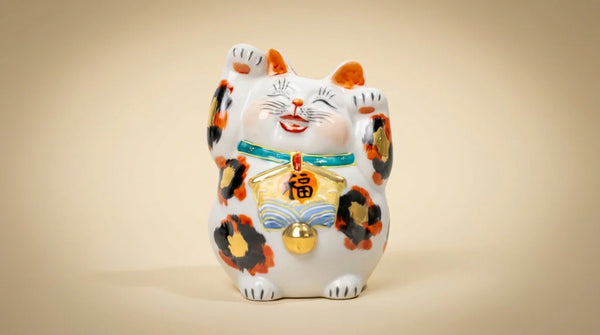
Calico & Orange Maneki Neko Meaning: The Luckiest Cat
Calico (mike) Maneki Neko are widely seen as the luckiest and most traditional lucky cat, while orange reads...
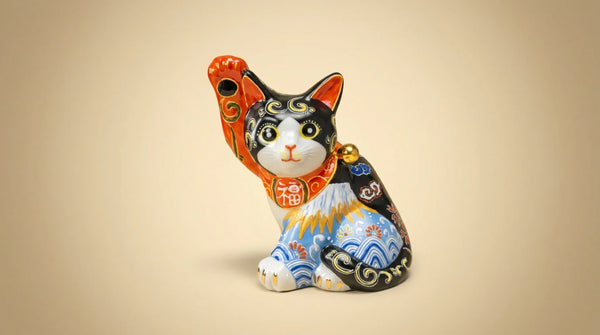
Black Maneki Neko Meaning: Protection and the Lucky Cat
Black Maneki Neko are most often linked to protection — warding off bad luck and negative energy. Here's...
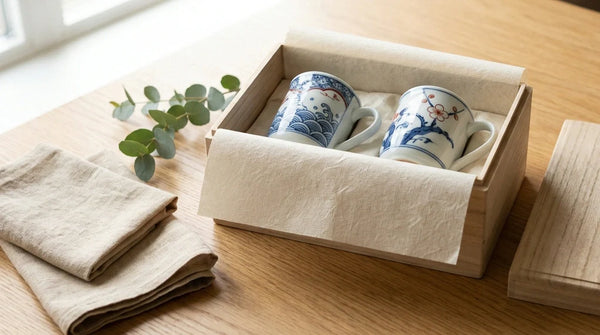
5 Thoughtful Japanese Ceramics for a Housewarming Gift
Five thoughtful housewarming gifts in handmade Japanese ceramics — from a donabe for the cook to a lucky...
SetoYakushi Kiln (Yakushigama): Seto's Modern Maneki Neko Tradition
Yakushi Kiln (Yakushigama) makes hand-painted Maneki Neko in Seto, Aichi. Founded in 1952 and named after a Buddhist...
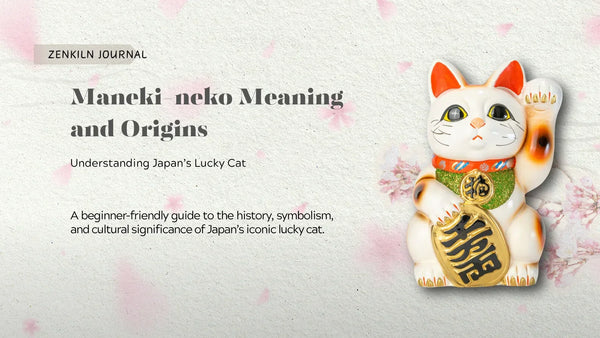
Maneki Neko Meaning and Origins: What Japan’s Lucky Cat Really Means
What does Maneki Neko mean? Explore the origins of Japan’s lucky cat, the meaning of its raised paw...
Maneki Neko Color Meanings: What Each Lucky Cat Color Means
A simple guide to Maneki Neko colors, from white and black to gold, red, green, pink, and calico,...
No studies match your search. Try a broader term.
ゼンキルン 誌
Stories, studies & care from the workshop
Deep dives into kilns, glazes, and the wares behind them.
Banko ware from Yokkaichi, Mie produces about 80 percent of Japan's donabe clay pots. A guide to its tea-merchant origins, petalite clay, shidei teapots, and how to choose...
Living with and caring for handmade Japanese pieces.
Four ongoing series from the workshop — pick a thread and follow it.
Every story in the Journal, newest first.