Banko Ware: The Mie Tradition Behind Japan's Donabe
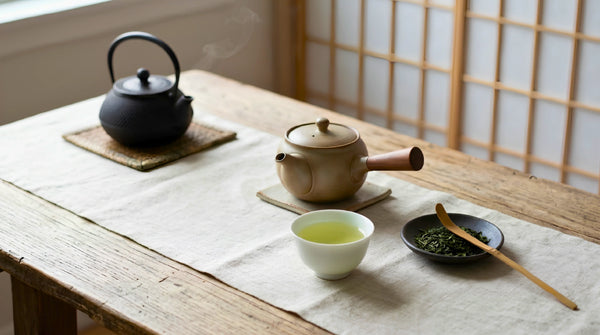
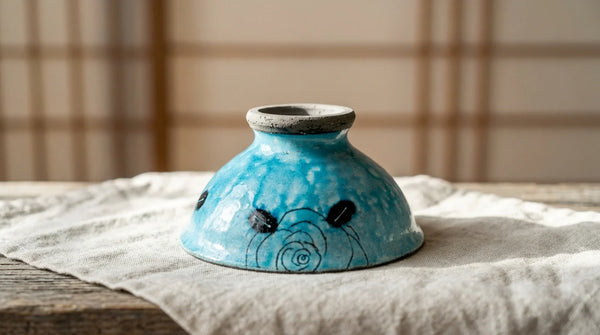
Banko ware from Yokkaichi, Mie produces about 80 percent of Japan's donabe clay pots. A guide to its tea-merchant origins, petalite clay, shidei teapots, and how to choose...
The Journal
Hagi no Nanabake: Why Hagi Ware Changes Color With Use
Hagi ware is famous for nanabake — the “seven changes,” the way a Hagi tea bowl slowly shifts...
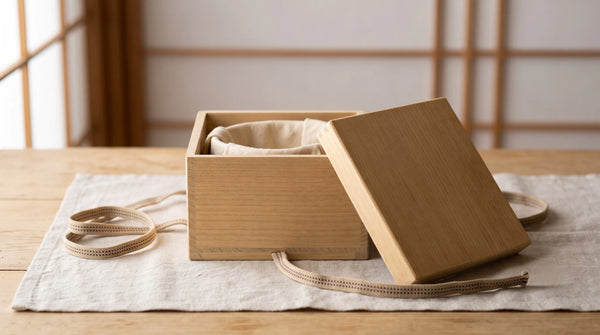
Kiri-bako: The Paulownia Box Behind a Japanese Tea Bowl
Kiri-bako, tomobako, hakogaki: the paulownia box that comes with a Japanese tea bowl is not just packaging. Here's...
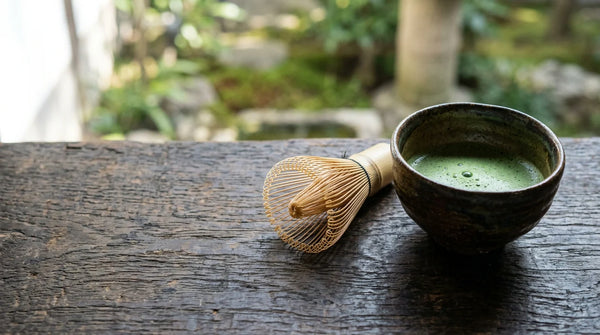
The Chasen: How a Bamboo Matcha Whisk Is Made and Used
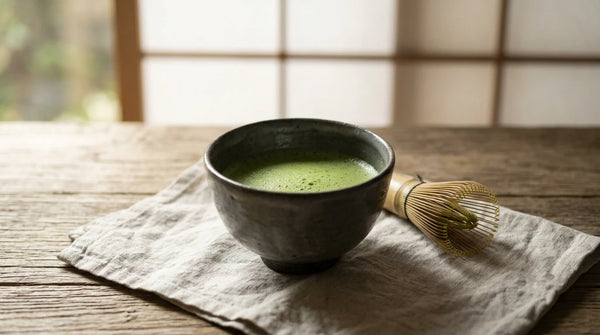
The chasen is the bamboo whisk that turns matcha powder into foam. Here's how Takayama artisans carve one...
Raku Ware: The Hand-Molded Tea Bowl of the Japanese Tea Ceremony
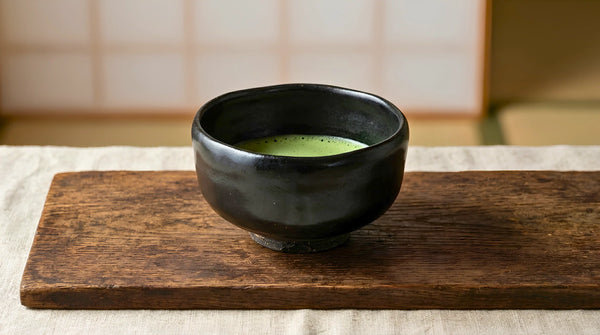
Raku ware is the hand-molded, low-fired chawan created for wabi tea in 16th-century Kyoto. A Teabowl Studies guide...
Reading a Chawan's Foot Ring: What the Kōdai Reveals
The foot ring is where a tea bowl tells the truth. Learn how a kōdai is trimmed, what...
How to Hold a Chawan: Etiquette, Grip, and Why It Matters
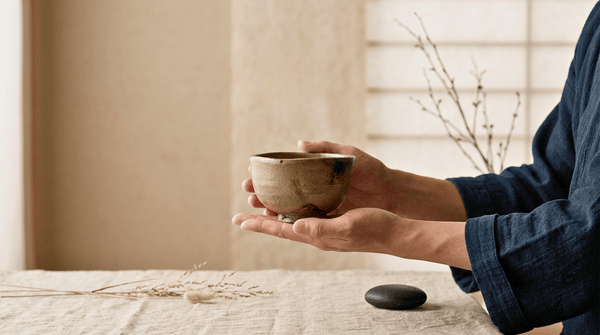
A practical guide to how to hold a chawan: the two-hand grip, why you rotate the matcha bowl...
Five Japanese Tea Bowls Every Collector Should Know
A beginner's map to the five teabowl traditions every collector encounters: Raku, Hagi, Karatsu, Mino (Shino and Oribe),...
No studies match your search. Try a broader term.
ゼンキルン 誌
Stories, studies & care from the workshop
Deep dives into kilns, glazes, and the wares behind them.
Banko ware from Yokkaichi, Mie produces about 80 percent of Japan's donabe clay pots. A guide to its tea-merchant origins, petalite clay, shidei teapots, and how to choose...
Living with and caring for handmade Japanese pieces.
Four ongoing series from the workshop — pick a thread and follow it.
Every story in the Journal, newest first.