Banko Ware: The Mie Tradition Behind Japan's Donabe
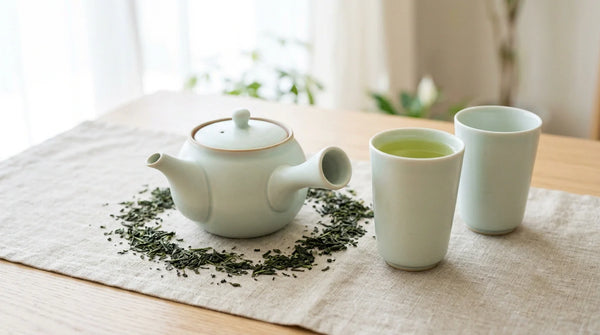
Banko ware from Yokkaichi, Mie produces about 80 percent of Japan's donabe clay pots. A guide to its tea-merchant origins, petalite clay, shidei teapots, and how to choose...
The Journal
器の色
How Japanese ceramics found their palette — cobalt, enamel, and the chemistry of glaze.
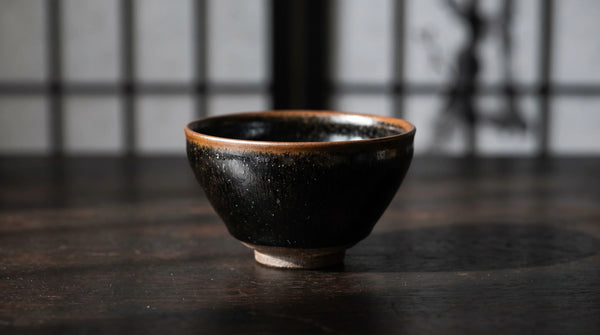
Kuro-yū: The Black Glazes of Japanese Ceramics
Black is the color a Japanese potter fires from iron, not paint. Follow kuro-yū from the tenmoku tea bowls of...
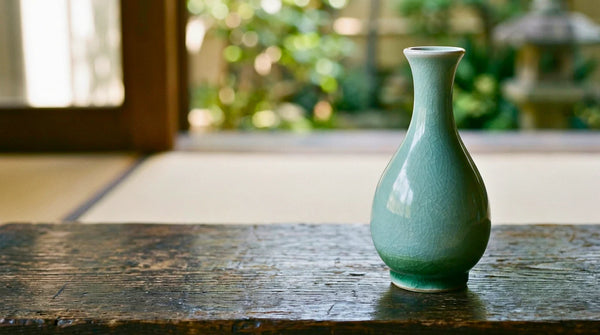
Seiji: The Jade-Green World of Japanese Celadon
Japanese celadon — seiji (青磁) — is the jade-green glaze a potter fires rather than paints. Follow it from China's...
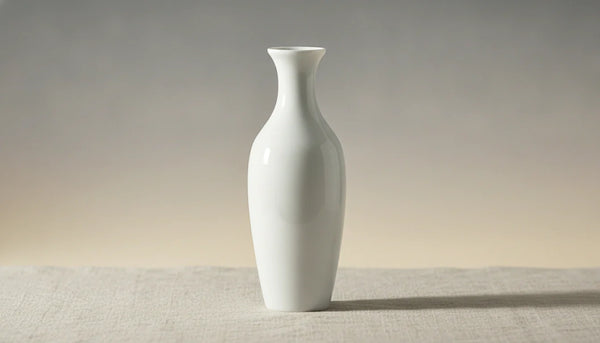
Hakuji: The Quiet Power of Japanese White Porcelain
Hakuji — Japan's undecorated white porcelain — is the color that is hardest to get right because it looks like...
Kinrande: How Gold Brocade Came to Japanese Porcelain
Kinrande — "gold brocade" — is the overglaze style that fires real gold onto Japanese porcelain. Where it came from,...
Aka-e: How Red Enamel Warmed Japanese Porcelain
Aka-e — Japan's iron-red overglaze enamel — is the warm counterpart to cobalt-blue sometsuke. We trace its Arita-Imari origins, sort...
Sometsuke: How Japan's Cobalt-Blue Porcelain Found Its Voice
Sometsuke is Japan's cobalt-blue underglaze porcelain tradition. A guide to the gosu pigment, the Arita-Imari-Hasami corridor, four classical sub-styles, and...
ゼンキルン 誌
Stories, studies & care from the workshop
Deep dives into kilns, glazes, and the wares behind them.
Banko ware from Yokkaichi, Mie produces about 80 percent of Japan's donabe clay pots. A guide to its tea-merchant origins, petalite clay, shidei teapots, and how to choose...
Living with and caring for handmade Japanese pieces.
Four ongoing series from the workshop — pick a thread and follow it.
Every story in the Journal, newest first.