Maneki Neko Care: Cleaning, Batteries, and Display
6 min readA maneki neko (招き猫, “beckoning cat”) needs care suited to its body, decoration and any moving parts. This guide covers dusting, battery-powered figures, coin banks and fabric accessories. For lucky cats in our own shop, use the individual listing and manufacturer’s directions to identify the construction.
Know what your lucky cat is made of

Lucky cats are made in ceramics and other materials. Check the body, surface finish, fabric parts and mechanism before cleaning; appearance alone does not identify them all.
- Seto figures vary in painted decoration and accessories. For a piece such as the 26.5 cm right-paw maneki neko, check the listing for its collar and other fittings. Chirimen (縮緬) describes a crepe weave, not necessarily silk. Seto is also home to the Maneki-Neko Museum.
- Kutani porcelain. Kutani lucky cats layer overglaze enamel, raised moriage slip lines, and gold accents over porcelain — see the fine gold linework on our black Kutani maneki neko with Mount Fuji. Gold and enamel sit on the surface of the glaze, so they reward gentle, dry handling.
- Tokoname includes familiar white-bodied lucky cats with coloured shading. Cleaning depends on how the finish is applied, so avoid abrasive rubbing and check the maker’s directions.
If you want the deeper story of the Seto workshop behind many modern figures, our Yakushi Kiln study covers it.
Routine cleaning: begin with gentle dusting

Dust gently with a clean soft cloth or brush, avoiding snagging whiskers, fabric or raised decoration. Do not immerse an electrical figure or use sprays, solvents or abrasive pads on an unidentified finish.
Fired enamel, cold-applied paint, gilding and fabric have different cleaning limits. Where the maker allows it, a sound plain glazed area can be wiped with a barely damp cloth and dried; keep moisture away from mechanisms and vulnerable decoration. The Canadian Conservation Institute’s ceramics care note explains these distinctions. A decorative lucky cat is not tableware; see our microwave and dishwasher guide for intended-use considerations.
Electric waving cats: motor and battery care

For a moving-paw model, read its battery compartment label and instructions for battery size, count, polarity and power switch. Yakushigama’s catalogue identifies AA-powered electric models, but that is not a two-battery specification for every figure. Check whether batteries are included on the exact listing.
Keep the body and mechanism dry, lift by the body rather than the paw, and do not stop or force the moving part. For the 21 cm electric waving maneki neko or another model, use its instructions and remove batteries during extended disuse as directed.
If movement stops, switch off first. Check the specified batteries, polarity and contacts according to the instructions. Do not swing or force the paw as a generic troubleshooting step; contact the maker if the problem persists.
Coin banks: slots, stoppers, and getting coins out

Many larger lucky cats are chokin-bako (貯金箱, coin banks) with a slot set into the crown of the head. Before you start feeding one your pocket change, check the underside: some banks — including many Tokoname-style coin banks — have a removable rubber stopper in the base, while others are sealed in the traditional style and must be broken open to retrieve the coins. A sealed bank is best treated as long-term savings or pure decoration. Either way, never pry at the coin slot with metal tools, and avoid hard shaking — the hollow body carries the decoration on a thin wall.
Collars, bells, and paper accessories
Fabric collars may use different fibres. Keep fabric and paper dry and away from strong sun, and dust gently without pulling at glued or tied parts. Do not infer silk, hand-tying or metal composition from appearance.
Where to display a maneki neko

Tradition places the cat where it can "see" people arrive — an entryway shelf, a shop counter, a desk facing the room. Whether yours raises the right paw (associated with inviting money) or the left (inviting people and customers) is a choice of meaning, not of care; we unpack the tradition in our maneki neko meaning and origins guide and the color meanings companion.
Choose a stable spot away from shelf edges, direct sunlight, grease, smoke and persistent dampness. Supports or securing products must suit the base: some adhesives or putties can leave marks on porous or painted surfaces. Follow the securing product’s compatibility and removal instructions.
Storage, chips, and repairs
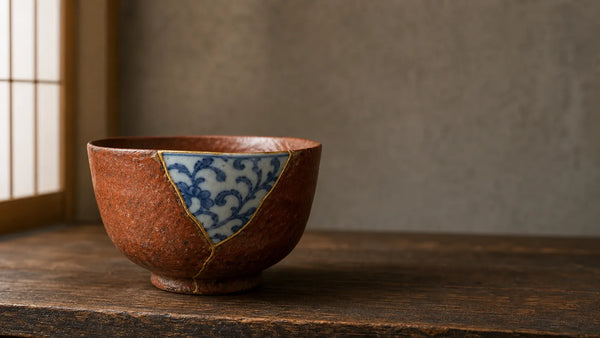
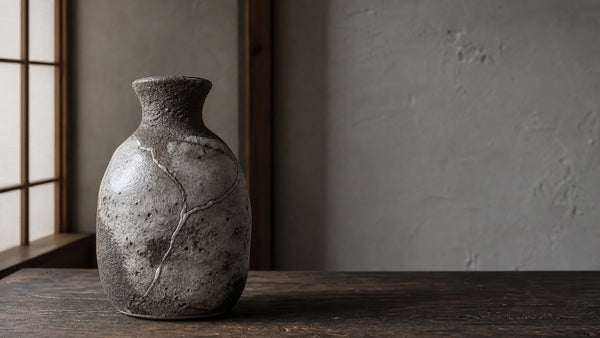
For storage or moving, support the body, protect protruding parts without pressure and remove batteries as directed. Our long-term storage guide covers material-specific storage. Keep broken fragments safely if damage occurs, and ask a repairer about feasibility; kintsugi, the art of gold repair is an introduction, not a promise that every break is readily repairable.
FAQ
How do I clean a maneki neko without damaging the paint?
Start with gentle dusting using a clean soft cloth or brush. Keep water and cleaners away from electrical parts, fabric, cold paint and unidentified finishes. Use further cleaning only as the maker permits.
Can I wash a maneki neko with water?
Do not immerse electrical or mixed-material figures. A sound plain glazed area may allow a lightly damp wipe when the maker approves it. Fired enamel and cold paint are not interchangeable finishes, so check before wet cleaning.
What batteries does an electric waving maneki neko use?
Use the battery type and count on the exact model’s label. Some Yakushigama models use AA batteries, but this does not establish two batteries or whether they are supplied. Follow polarity markings and remove batteries during extended storage as directed.
Why did my electric maneki neko stop waving?
Switch off and check the model’s battery instructions, correct polarity and contacts. Replace batteries only with the specified type. Do not force or repeatedly swing the paw; seek assistance if it still does not work.
How do I get coins out of a maneki neko coin bank?
Check the underside. Some Japanese lucky-cat banks have a removable rubber stopper in the base, and coins pour out once you pull it. Others are sealed in the traditional chokin-bako style and must be broken open to retrieve the coins — those are best treated as long-term savings or decoration. Never pry at the coin slot with metal tools.
Will sunlight fade a maneki neko?
Sun sensitivity depends on the finish and accessories. Cold-applied colours, textiles and paper can fade or weaken; a shaded location helps protect them without guaranteeing a fixed lifespan.
Editor’s note: This is general guidance. An individual model’s instructions and material record take priority, especially for batteries, moving parts and mixed-media decoration.