The Chasen: How a Bamboo Matcha Whisk Is Made and Used
7 min readThe chasen is the small bamboo whisk that turns a spoonful of green powder into a standing crown of foam. Of all the tools in the Japanese tea ceremony, this bamboo matcha whisk is the most astonishing part: it is carved from a single piece of bamboo, has no glue and no moving parts, and is treated as a consumable that will eventually wear out and be retired. Understanding how a chasen is made, how to read its tines, and how to care for it tells you a great deal about how matcha is meant to be prepared — and why a good whisk is worth its modest price.
What a chasen actually is
A chasen (茶筅) is a whisk used to blend powdered matcha with hot water until it is smooth and aerated. It is not a stirring tool so much as an aerating one — the fine tines slip through the tea and fold air into it, breaking up lumps of powder and raising the soft, even foam that defines a well-made bowl of usucha (thin tea). Unlike a wire whisk, a chasen is flexible, silent against glazed clay, and shaped specifically to work inside the curved wall of a tea bowl.
Its most surprising feature is that the entire object — handle, inner ring, and the dozens of curved outer tines — is cut from one continuous culm of bamboo. There is no assembly. A maker starts with a solid section of bamboo and splits, thins, curls, and ties it into a finished whisk, which is why a fine chasen feels less like a manufactured utensil and more like a single piece of plant coaxed into a new shape.

A traditional chasen is split and shaped from one bamboo section. Bamboo species and the finished tine arrangement vary with the design and tea-school preferences. The initial splits made during production are not the same as the final tine count.
Takayama: the village that makes Japan's whisks
Takayama, in Ikoma, Nara Prefecture, is a recognised centre of traditional Japanese chasen production. Its history is traced to the Muromachi period. That regional designation does not establish where every whisk sold around the world was made.
The official traditional-craft record for Takayama chasen describes hand splitting, shaving and shaping, and permits hachiku, kurochiku and madake bamboo with cotton thread. It does not mean every bamboo whisk is Takayama-made.
Look for an identified maker and production origin when buying a Takayama whisk. The KOGEI JAPAN traditional-crafts archive gives further background; appearance alone does not authenticate origin.
How a chasen is made
Bamboo is selected and prepared before shaping. The official Takayama example describes winter-cut hachiku aged two to three years at harvest, then exposed to winter conditions and stored. Preparation details vary; seasoning does not guarantee that bamboo will never crack.
The bamboo is first divided into larger sections, which are split again into fine tines. The tips are softened, shaved and shaped, and thread separates the inner and outer arrangement. These stages require control of thickness and spacing; a production-stage split count is not a finished-whisk specification.

Reading the tines: kazuho and prong counts
Chasen are not interchangeable. The number of tines, the curl of their tips, and even the variety of bamboo are matched to how the tea will be made and, often, to the preferences of a particular tea school.
Choose a whisk by the maker’s stated use for usucha or koicha and, for formal practice, the tea school’s requirements. Fine, numerous tines are useful for foamy usucha. Do not read “sixteen initial splits” as a universal sixteen-tine koicha design, or infer a shop whisk’s origin from a regional craft article.

Tip colour and bamboo type vary too — pale white bamboo, smoked bamboo, and purple-black bamboo each appear in different schools' utensils — but for making good matcha at home, the tine count and the condition of the tips matter far more than colour.
How to use a chasen
Before use, dip the tines in water for a minute or two to soften them and check for broken tips, following the whisk maker’s instructions. Keep hands clear of hot water.
To whisk, sift one to two scoops of matcha into a warmed tea bowl, add a small amount of hot — not boiling — water, and whisk briskly in a "W" or "M" motion from the wrist, keeping the tines just off the bottom of the bowl. The goal is speed and a light touch rather than pressure: it is the air you fold in, not force, that builds the foam. When a fine even layer of bubbles forms, lift the whisk straight up through the centre to finish. The deep, curved wall of a hand-thrown chawan gives the tines room to move, which is part of why matcha bowls are shaped the way they are.

Caring for a bamboo chasen
After use, rinse the tines without soap and leave the whisk to dry in open air. A suitable kusenaoshi supports the head in the position its shape allows; keep air circulating around the tines. Never enclose a damp whisk in its tube. Replace damaged or mouldy whisks. See our companion guide to matcha bowl, chasen, and chashaku care.
From the ZenKiln catalogue
A bowl, whisk and scoop are a simple starting kit. Confirm the maker, manufacturing origin and specifications on each listing.
- Bamboo Chasen Matcha Whisk — Kazuho, with a clear storage tube — check its listing for origin and tine specification; allow it to dry fully before enclosing it.
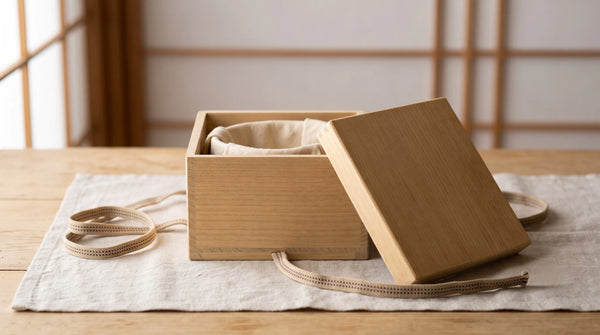
- Kutani Matcha Chawan — Iroe Yū "Hidamari" Cats Tea Bowl, a hand-painted Kutani bowl that ships in a paulownia kiri-box.
- Kutani Matcha Chawan by Kōzan Kiln — Hane-Usagi Leaping Rabbit Moon Bowl, a gray ash-glaze bowl with raised-white rabbits.
- Kutani Hand-Painted Matcha Chawan — Iroe Yū Hana Floral, a wabi-sabi stoneware bowl in the workshop's multi-floral pattern.
Browse the full Matcha Ritual collection for bowls and whisks together, or our Gifts for Tea Lovers selection.
FAQ
What is a chasen used for?
A chasen is the bamboo whisk used to prepare matcha. Its fine flexible tines blend the powdered green tea with hot water and fold air into it, breaking up clumps and raising the smooth, even foam that characterises a well-made bowl of thin tea (usucha). It is designed to work inside the curved wall of a tea bowl.
How many tines should a matcha whisk have?
Choose the design for the tea and your preferred method rather than tine count alone. Fine, numerous tines can help with foamy usucha; the maker or tea teacher can identify a suitable koicha design.
What is a kazuho chasen?
Kazuho (数穂) is a commonly used whisk designation. Read the individual maker’s specification and intended use; the name alone does not establish origin or an identical tine count.
How do I care for a bamboo chasen?
Soften the tines in water before use, then rinse clean without soap and dry in open air. Use a shape holder as designed if you have one, and never close the whisk in a tube while damp. Inspect and replace it when damaged or mouldy.
Are Takayama chasen worth it over a cheap whisk?
Takayama offers a documented handcraft tradition. Compare a particular whisk’s maker, finish and suitability rather than assuming every regional product outlasts every other whisk. All chasen wear, and condition determines replacement.
Can I use a chasen with any tea bowl?
A chasen works best in a bowl with a deep, open, curved interior — the shape of a traditional chawan — which gives the tines room to move and air to fold in. You can whisk in a wider cup at a pinch, but a shallow or narrow vessel makes it hard to raise foam without the tines scraping the base. This is one reason matcha bowls are shaped the way they are.
Care reference: Ippodo’s chasen guidance. This regional craft introduction is not a manufacturing-origin claim for an unidentified shop product.