Calico & Orange Maneki Neko Meaning: The Luckiest Cat
Written by Team ZenKiln · from our Tokyo atelier
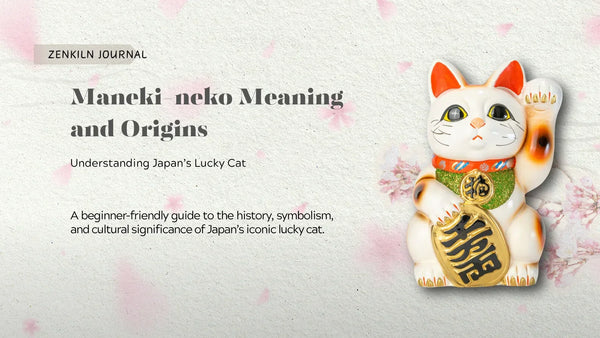
Among all the lucky cats, the calico Maneki Neko holds a special place: it is widely seen as the luckiest and most traditional of them all. Its tricolor coat — white with orange and black patches — is the classic image of the Japanese lucky cat, and orange tones, on their own or within calico, read as warm, cheerful, and all-around auspicious.
This guide covers what calico and orange Maneki Neko mean and how to choose one. For every color at a glance, see our Maneki Neko color meanings guide.
What Does a Calico Maneki Neko Mean?
The calico Maneki Neko is modeled on the mike-neko (三毛猫, "three-fur cat") — the white, orange, and black tricolor cat that is relatively rare in nature and long considered lucky in Japan. Because the original beckoning-cat figures are often depicted as calico, the tricolor design is read as the most authentic and broadly fortunate style: not tied to one narrow blessing, but auspicious across the board.
The calico Maneki Neko is widely considered the luckiest and most traditional lucky cat. It is based on the mike-neko, Japan's white-orange-black tricolor cat, and because the earliest beckoning-cat figures were often calico, the tricolor pattern is read as the most authentic and all-around auspicious style.
What Does an Orange Maneki Neko Mean?
Orange is less fixed in meaning than white, black, or gold, but it carries a consistent feeling: warmth, cheer, and liveliness. Orange most often appears within the calico pattern, which is why it is closely tied to that all-around lucky reading. A predominantly orange lucky cat comes across as friendly and energetic — a good fit when you want a piece with character rather than a formal symbol.
Calico vs. Other Lucky Cat Colors
Each color leans a different way. Where gold is for wealth and black is for protection, calico is the generalist — chosen when you want broad good fortune rather than one specific kind. That versatility is exactly why calico is such a common gift: it suits almost any occasion and any recipient.
Why the Lucky Cat Is Often Calico
The tricolor look is tied to the Maneki Neko's earliest history as a beckoning household talisman. For how the lucky cat tradition began and spread, see Maneki Neko meaning and origins. The short version: the figures took the form of the prized mike-neko, and that tricolor image became the default mental picture of a lucky cat.
Choosing a Calico or Orange Maneki Neko
If you want a lucky cat that feels both symbolic and easy to give, calico is the safest choice. ZenKiln's Kutani gold calico lucky cat is hand-painted porcelain with the classic tricolor markings, while the Kutani tai (sea bream) calico cat pairs the tricolor look with a prosperity motif. For warm orange-and-white tones with a coin-bank function, the Tokoname lucky cat statue is a classic. Browse the full Maneki Neko & Lucky Cats collection to compare.
FAQ
What does a calico Maneki Neko mean?
A calico Maneki Neko is considered the luckiest and most traditional lucky cat. It is based on the mike-neko, Japan's white-orange-black tricolor cat, which has long been seen as fortunate. Because the earliest lucky-cat figures were often calico, the tricolor pattern reads as the most authentic and broadly auspicious style.
Which Maneki Neko color is the luckiest?
Calico is traditionally seen as the luckiest and most auspicious Maneki Neko because it combines several colors in one classic good-luck pattern. White is the most versatile all-purpose choice, while gold is preferred when the focus is specifically on wealth.
What does an orange lucky cat mean?
Orange reads as warm, cheerful, and lively. It most often appears within the calico pattern, so it shares that all-around lucky meaning. A mainly orange Maneki Neko comes across as friendly and energetic, making it a good choice when you want a piece with personality.
Is a calico Maneki Neko a good gift?
Yes. Because calico signals broad good fortune rather than one specific blessing, it suits almost any occasion or recipient. That versatility, plus its status as the most traditional lucky-cat style, makes it one of the easiest and most meaningful Maneki Neko to give.
At ZenKiln, our lucky cats are sourced from working Japanese kilns — including hand-painted Kutani porcelain from Ishikawa — and hand-packed in our Tokyo atelier.