

Arita Ware: The Story of Japan's First Porcelain
Arita’s early porcelain, underglaze blue and enamels, Kakiemon style, the broader meaning of Ko-Imari, Nabeshima ware, and the trade route through Imari and Nagasaki.
Stories about craft, everyday use and care.
Arita’s early porcelain, underglaze blue and enamels, Kakiemon style, the broader meaning of Ko-Imari, Nabeshima ware, and the trade route through Imari and Nagasaki.
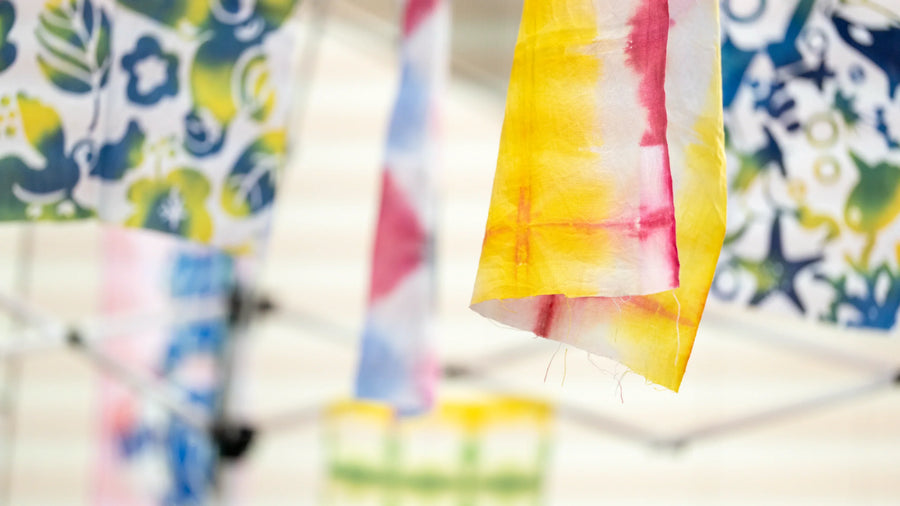
How chūsen colours tenugui and yukata: stencil-pasting, pour-dyeing, controlled gradients, and the connected histories of Tokyo and Osaka.
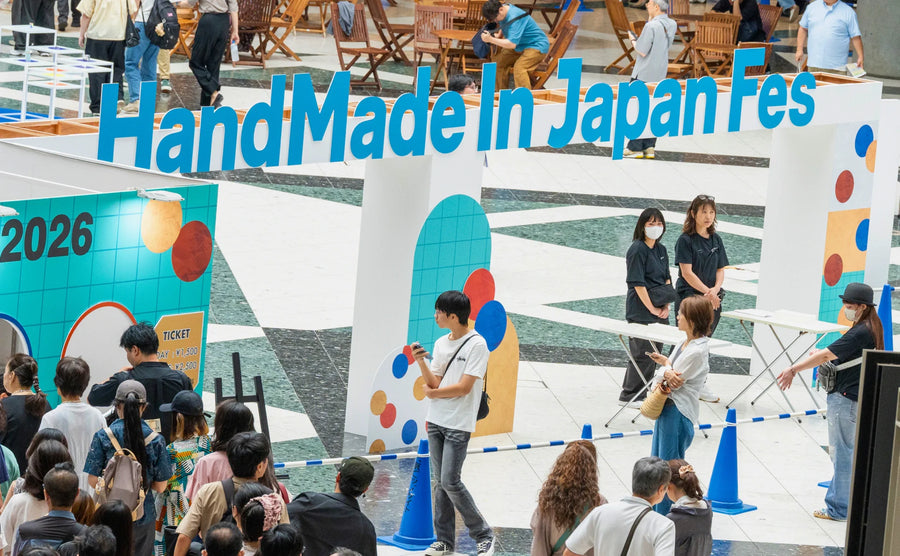
A source-based look at HMJ 2026, held July 11–12 at Tokyo Big Sight, with around 3,000 creator participations counted across both days.

Kaishi, paper mats, notes and gift wrapping at the tea table, with clear distinctions for tea etiquette, food use, heat protection and shipping.
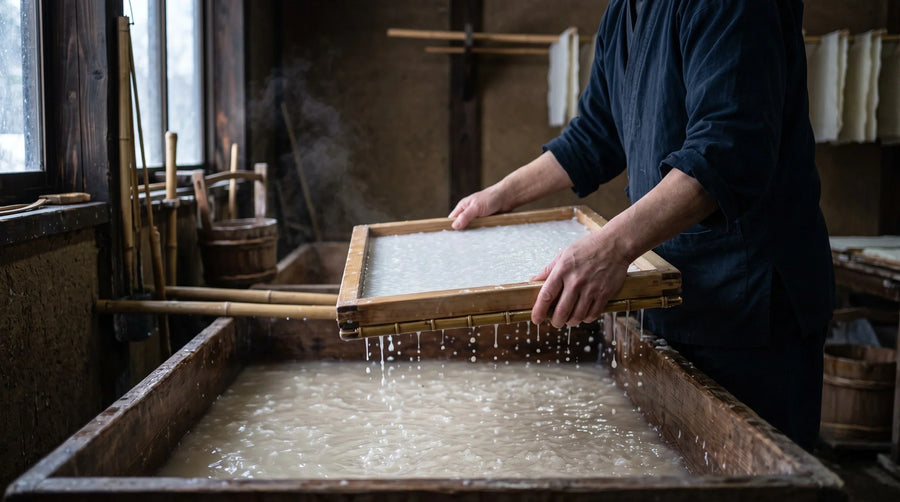
Hosokawa-shi is Saitama’s handmade kōzo paper, with a name linked to Kishū. Explore its craft, heritage recognition and papermaking visits in the Ogawa area.
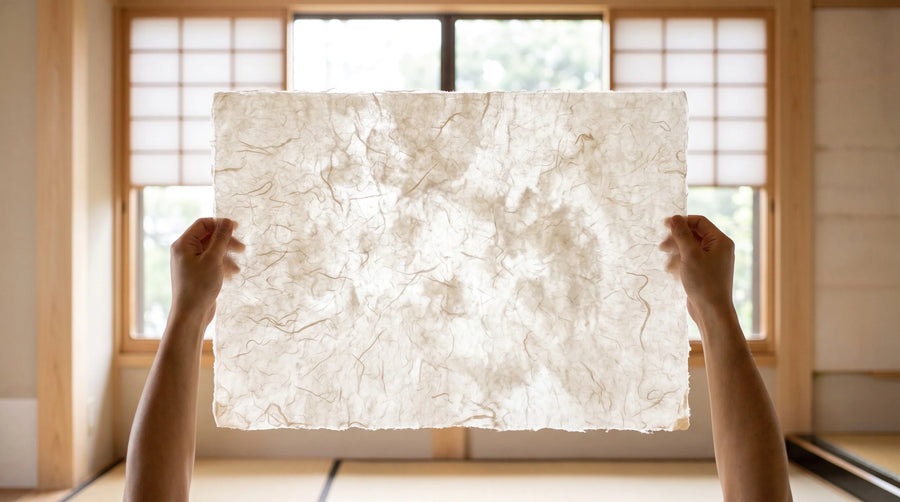
A guide to traditional handmade washi, its fibres and uses, alongside modern machine-made papers. Includes the 2025 expansion of UNESCO’s washi inscription.
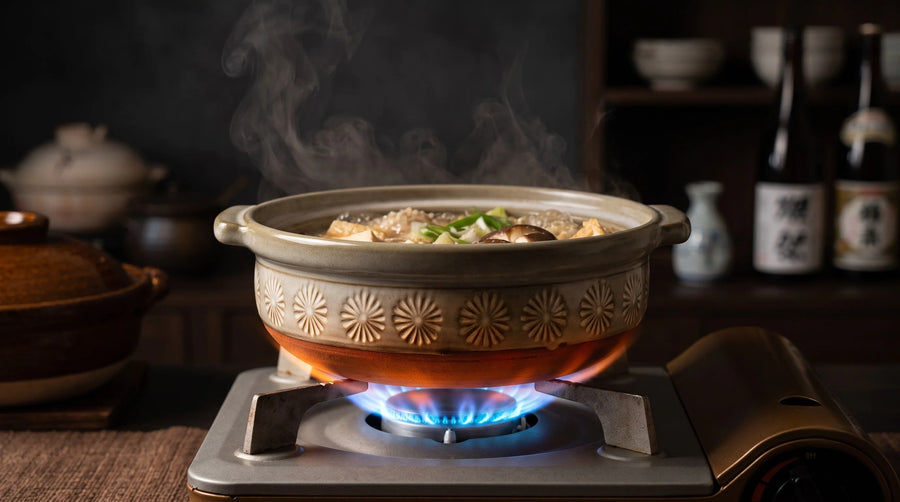
Banko ware from Mie: the history of donabe cooking pots and shidei teapots, heat-resistant bodies, and choosing a pot by capacity and hob compatibility.

Compare deep-steamed sencha, gyokuro, and matcha genmaicha, with starting recipes for temperature, leaf quantity, and steeping time. Check each tea’s own origin and instructions.

Shigaraki ware from southern Shiga: historic wood-fired jars, tea culture, glazed contemporary tableware, vases, and the Hechimon brand.