Reading a Chawan's Foot Ring: What the Kōdai Reveals
4 min readTurn a tea bowl carefully in your hands and the underside offers another view of its making. The foot ring, or kōdai (高台), may show exposed clay, trimming marks or a seal beneath the decorated surface. These details help you examine a bowl; they cannot establish its maker or age on their own.
What Is a Kōdai?
The kōdai is the raised foot or ring beneath a ceramic vessel. It supports the bowl and lifts its body from the table. Where the foot is unglazed, you can see the clay body alongside the finished surface.
How a Foot Ring Is Made
A common method is to throw a bowl with extra clay at the base, let it firm to leather-hard, then invert it and trim a ring with a tool such as a kanna. This is not the only method: feet can also be formed as part of the throwing or attached separately, depending on the vessel.
Look for concentric tool lines, chatter marks or a spiral within the ring. These record aspects of trimming, though a particular mark is not a maker’s fingerprint. Many hand-built Raku-type bowls have feet carved without a wheel; their outlines can be less regular.

Foot shapes and surface textures
These terms describe different features of the underside:
- Wa-kōdai (輪高台). A circular ring foot.
- Takenofushi-kōdai (竹節高台). A “bamboo-node” foot with a stepped profile, associated with Ido-type bowls from Korea admired in Japanese tea practice.
- Wari-kōdai (割高台). A foot deliberately split or notched in one or more places.
- Kairagi (梅花皮) describes rough, beaded areas where glaze has crawled, often around an Ido bowl’s foot. It is a surface texture, not a foot shape. The term is associated with the pebbled texture of ray skin rather than plum-tree bark.
The names describe form rather than quality. Consider how the foot’s proportions and outline relate to the rest of the bowl.

What the Exposed Clay Tells You
An exposed area lets you look more closely at the clay body:
- Colour and texture offer clues. Some porcelain bodies are pale and fine, while many stoneware or earthenware bodies are visibly granular or iron-toned. Recipes, firing, and surface treatment vary, so the exposed foot alone cannot settle the material or provenance.
- Balance. Notice how the foot supports the bowl and how the weight feels in use. A substantial foot can be a deliberate choice.
- Firing marks. Me-ato (目跡) are marks from small supports used to keep wares apart during firing. Distinguish these original marks from later chips or abrasion.
- The bare area commonly keeps glaze from sticking to kiln furniture. Other support arrangements allow fully glazed feet, so an unglazed ring is neither unfinished work nor a requirement for every bowl.

Marks, Seals, and Signatures
A mark may name a region, kiln, workshop, or individual. Read it alongside the maker’s documentation and the object’s other records; a regional word such as Kutani is not necessarily an individual artist’s signature.
- An unmarked foot is not evidence of a fake. Some traditions and many older wares were unsigned; assess the bowl with its records rather than treating a seal as a guarantee.
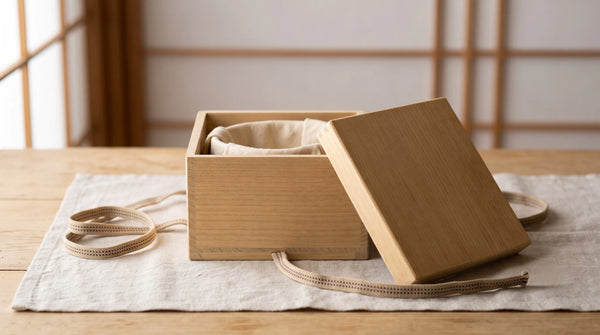
- Keep a signed wooden box (tomobako) and its documents with the bowl. They may provide attribution details beyond the mark on the foot, but need to be considered with the object’s history.
How to Inspect a Foot Ring Properly
At a formal tea gathering, wait for the host’s invitation to examine the utensils (haiken, 拝見). At home or in a shop, handle the bowl low over a protected surface:

- Remove rings and watches that could knock or scratch the bowl.
- Keep it close to a soft, stable surface. Avoid lifting it over a hard floor to inspect the underside.
- Support it with both hands and tilt it carefully towards you.
- Look closely at rough areas; do not rub a sharp or damaged edge.
- Set it down gently. An unglazed foot can scratch lacquer or polished wood, so protect the surface with a suitable cloth or mat.
For day-to-day care of a matcha bowl and its companion tools, see our guide to matcha bowl, chasen, and chashaku care. New to chawan etiquette generally? Start with how to hold a chawan and our five tea bowl traditions every collector should know.
Comparing bowls in the collection
Look for an underside photograph as well as a view of the rim and interior. If the foot or inscription is unclear, request a closer image. These product pages provide examples to compare:
- Kutani Hana floral matcha chawan — Iroe Yū workshop.
- Kutani Hane-Usagi rabbit and moon bowl — Kōzan kiln.
- Hidamari rabbit Kutani matcha chawan.
- Hidamari cats-in-blooms tea bowl.
Browse the full range in our teaware collection.
Sources: the Gotoh Museum’s Kokonoe Ido record identifies kairagi as glaze shrinkage around the foot; a Kyoto National Museum sword-mount record explains the related ray-skin texture term. Neither appearance nor a mark replaces the individual object’s provenance.