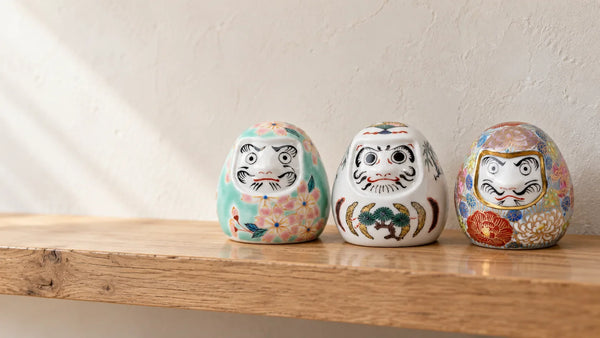
Japan’s ceramic regions differ in clay, forming, decoration, firing, and the objects they make. Their histories reflect trade and the movement of people and techniques as well as local resources. This guide maps several important traditions and links to the individual studies in our Kiln Studies series.
Why Japan Has So Many Distinct Pottery Regions
Clay deposits, fuel, transport routes, demand and the movement of craftspeople all shaped Japan’s pottery centres. Materials and techniques travelled, so a region’s history includes exchange as well as local resources.
Yakimono (焼物) means “fired things”, a broad word for ceramics. Many regional traditions are also recognised among Japan’s nationally designated traditional crafts, each with a defined production area.
The Six Ancient Kilns: Six Historic Production Centres
The Six Ancient Kilns project groups Seto, Tokoname, Echizen, Shigaraki, Tamba, and Bizen, six representative centres with production continuing from medieval times. Fujio Koyama named the grouping around 1948; its Japan Heritage recognition dates to 2017.
The continuity belongs to the production regions; individual workshops, families and kiln structures have their own histories.
Seto, Aichi: applied glazes and a lasting name
Seto gave its name to setomono, a familiar Japanese word for ceramics. Applied glazes distinguished it among the medieval Six Ancient Kilns, though glazing was already known elsewhere in Japan. Later production includes decorative figurines; Yakushi Kiln (Yakushigama) is one modern Seto brand.
Tokoname, Aichi: kyusu teapots
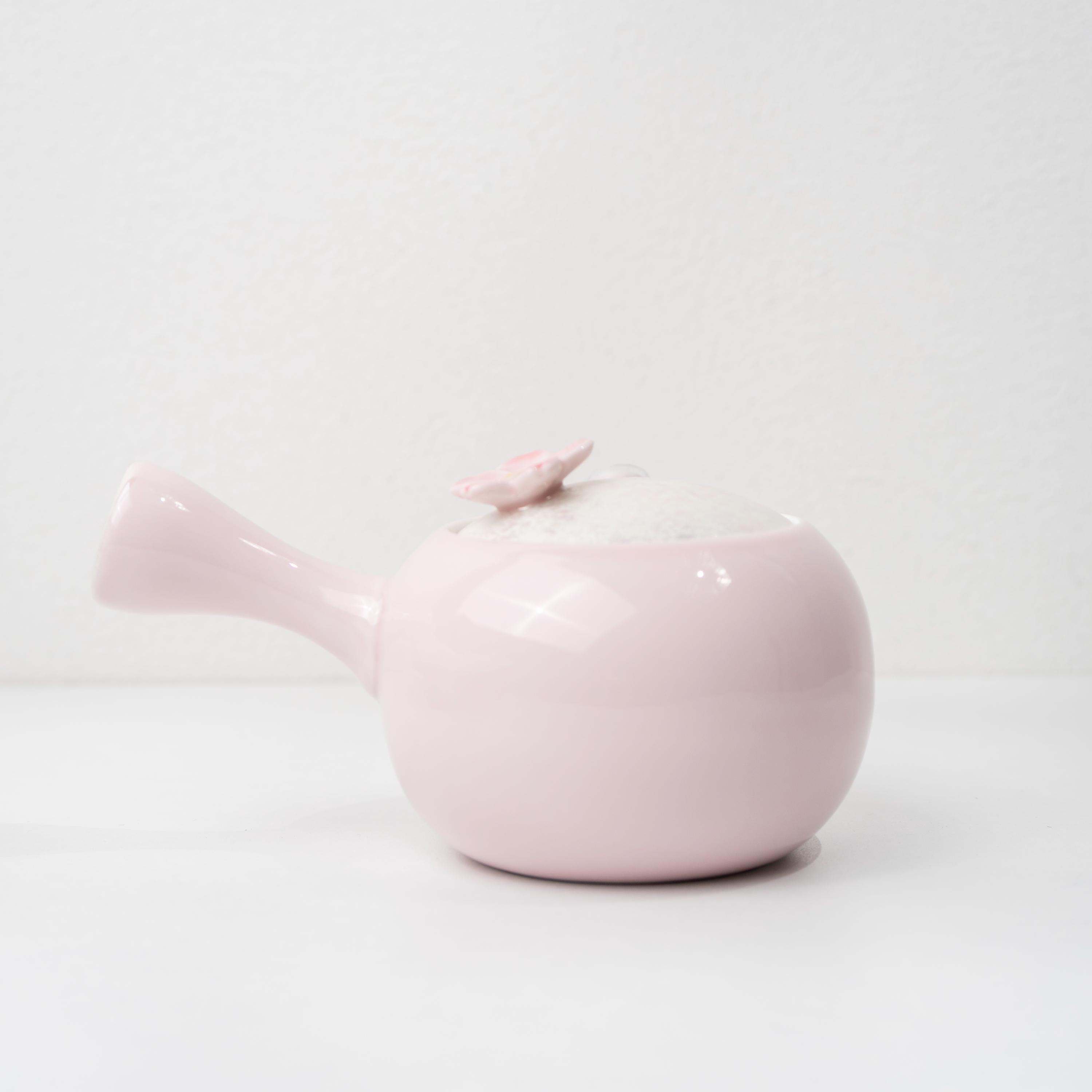
A major medieval production centre, Tokoname is now especially known for kyusu teapots. Iron-rich shudei gives many pots their red colour, while other bodies and finishes broaden the range. Capacity, strainer and pouring are useful points of comparison.
Echizen, Fukui: iron-rich clay and natural ash
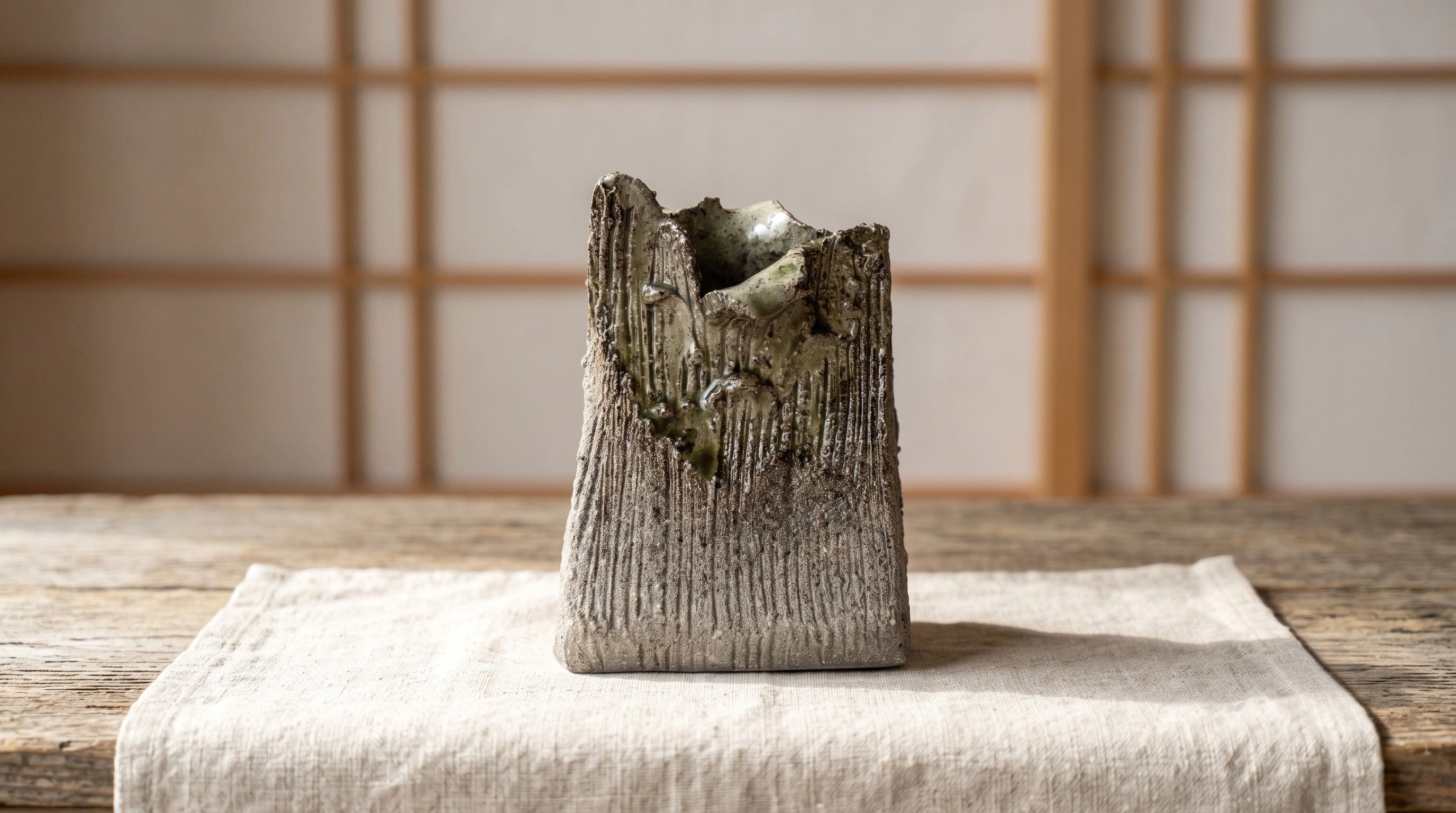
Echizen’s early pottery was strongly influenced by Tokoname. Its iron-rich clay can fire red-brown, while ash in a wood-fired kiln forms glaze on otherwise unglazed surfaces. Storage jars and flower vases are familiar forms.
Shigaraki, Shiga: clay, fire colour and ash
Shigaraki lies inland in Kōka City, southern Shiga, above clay deposits associated with ancient Lake Biwa. Wood-fired examples can show warm fire colour and natural ash effects; the region also produces applied glazes and modern forms. See our Shigaraki ware guide for this variety and the familiar ceramic tanuki figures.
Tamba, Hyogo: a community of workshops
Tamba, also called Tachikui ware, includes anagama and later climbing-kiln traditions, natural ash effects and applied glazes. Its workshops continue to make varied pottery in Hyogo Prefecture.
Bizen, Okayama: unglazed clay and kiln effects
Bizen is known for unglazed firing, where clay, ash, atmosphere and position in the kiln shape the surface. Straw against the clay can leave hidasuki marks. Read the regional account of Bizen ware for its firing traditions.
More Regions Worth Knowing
Other production areas add porcelain, painted enamels and different approaches to tea and tableware:
Arita, Saga: early Japanese porcelain
Arita in Saga Prefecture is central to the beginnings of Japanese porcelain in the early seventeenth century. Its history includes porcelain stone from Izumiyama, underglaze blue, overglaze enamels, and export markets. Contemporary Arita encompasses a wide range of tableware and decorative work.
Kutani, Ishikawa: overglaze painting
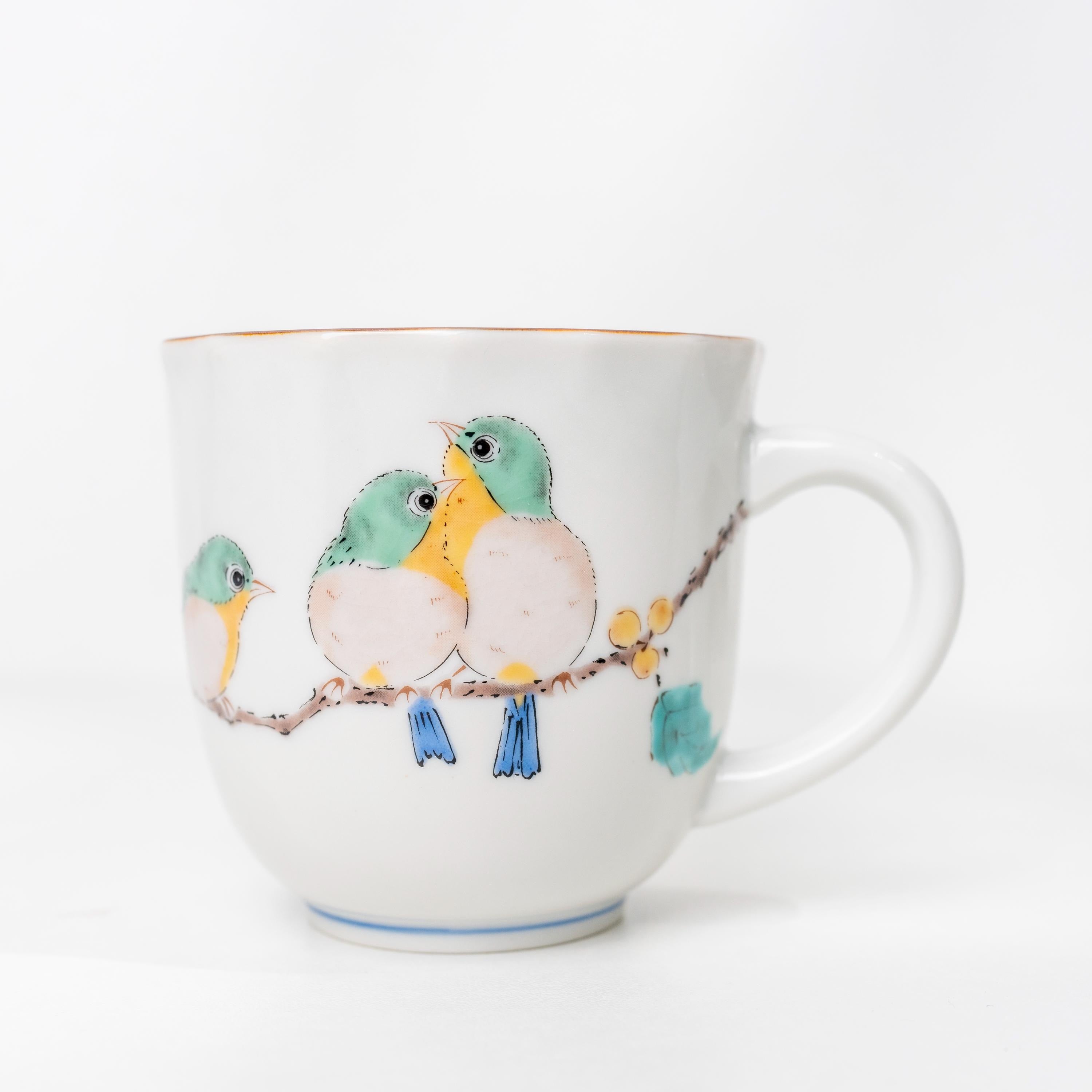
Kutani is associated with Ishikawa and coloured overglaze painting, including the five-colour gosai palette of red, blue, yellow, purple and green. Designs range from dense patterns to open compositions. Read our beginner’s guide to Kutani ware and the study of Asakura Isokichi.
Mino, Gifu: many styles of tableware
Mino, centred on areas including Toki City in Gifu Prefecture, produces a substantial share of Japanese ceramic tableware. It encompasses Oribe (織部), with green copper glaze and geometric patterns; Shino (志野), with thick white glaze and orange fire marks; and warm yellow Ki-Seto (黄瀬戸) ash glaze, alongside a broad range of bowls, cups and plates.
Banko, Mie: donabe and teapots
Banko in Mie is a major producer of donabe and teapots. Some cooking-pot bodies use petalite to improve thermal performance. Heat-source compatibility and preparation vary, and pots still need protection from thermal shock. See the Banko ware guide.
Kyoto and Kiyomizu-yaki: varied materials and decoration
Kyō-yaki and Kiyomizu-yaki include both pottery and porcelain. Tea culture and the movement of craftspeople contributed to the range of forms, glazes and painting. The Kyoto ceramics federation’s history traces this development.
What a regional name tells you
A region connects a piece to a production history, even when some materials come from elsewhere. As Tōsen Kiln explains, Kyoto workshops have used materials and techniques from other places.
Colour and glaze alone are unreliable guides to origin. Read Japanese stoneware vs. porcelain for the material clues, or the institutional introduction to Japanese pottery and porcelain for wider context.
Choosing a piece to use
Begin with a form you already use: a teapot with a comfortable handle and useful capacity, or a cup whose rim and size suit your drink. Region and decoration add context after those practical choices.
For wood-fired surfaces, compare ash deposits, firing marks, and texture. These can be intentional features, while cracks, unstable surfaces, or functional defects still need separate assessment.
The Ginpo Hanamishima Donabe is one Banko example. Choose a size for your meals and check that it suits your hob.
Browse the full Japanese Teapots & Tea Sets and Japanese Donabe & Clay Pots collections to see which regions are currently represented at ZenKiln.
Continue in Kiln Studies
Follow a region or technique in the Kiln Studies series:
- Japanese Stoneware vs Porcelain: Five Clues and Their Limits — compare materials before considering region.
- What Is Kutani Ware? — Ishikawa's five-color overglaze porcelain, explained for beginners.
- Asakura Isokichi — the family that reinvented modern Kutani.
- Shigaraki Ware — fire, clay, and Japan's Six Ancient Kilns.
- Banko Ware — the Mie tradition behind Japan's donabe.
- Yakushi Kiln (Yakushigama) — Seto's modern maneki-neko kiln.
FAQ
What is the difference between Arita ware and Kutani ware?
Arita is associated with porcelain production in Saga, including underglaze blue and coloured enamels. Kutani is associated with Ishikawa and a strong tradition of overglaze painting. Their histories and styles overlap, so region is not reliably identified by a single colour or pattern.
How many pottery regions does Japan have?
The number depends on whether you count designated crafts, historic kiln sites, or modern production districts. This guide selects important examples, including the Six Ancient Kilns, Arita, Kutani, Mino, Banko, and Kyoto; it is not a complete official count.
Are the Six Ancient Kilns still active today?
Yes. All six remain active production regions. Individual workshops and heritage sites have their own visiting arrangements, so check their official information when planning a visit.