Shigaraki Ware: Fire, Clay, and Japan's Six Ancient Kilns
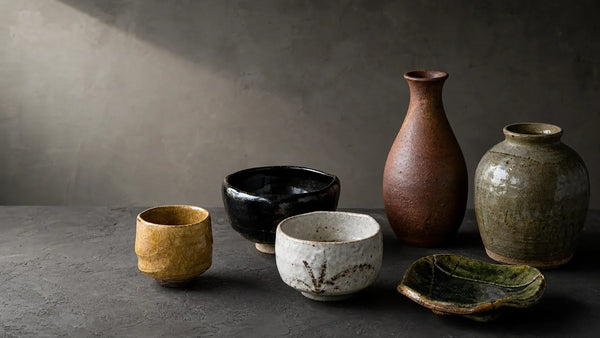
4 min readA Shigaraki jar can show coarse clay, reddish firing colour and runs of melted wood ash. Contemporary Shigaraki also includes applied glazes, tableware, vases, architectural ceramics and sculpture. The regional name covers this variety, rather than one surface or firing method.
What is Shigaraki ware?
Shigaraki ware is pottery made in and around Shigaraki, in Kōka City, Shiga Prefecture. It is one of Japan’s Six Ancient Kilns. Unglazed wood-fired stoneware is an important part of the tradition, alongside applied glazes and other modern production.
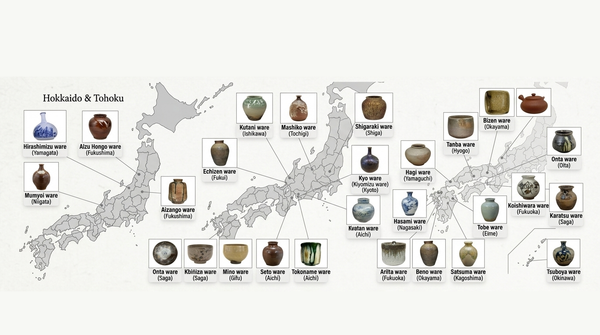
Shigaraki, Bizen, Tamba, Echizen, Seto and Tokoname make up the Six Ancient Kilns (Rokkoyō). Ceramic scholar Koyama Fujio named the grouping in the twentieth century; the six centres were jointly recognised as Japan Heritage in 2017.
Yakishime means high-fired ware without an applied glaze; it describes an important Shigaraki tradition, not every Shigaraki object. Its clay body is generally closer to stoneware than to porcelain. The KOGEI JAPAN craft guide also introduces the region; for the wider map, see Japan's pottery regions.

A clay born from an ancient lake
The region’s clay comes from sediments associated with the ancient Lake Biwa basin, known as the Kobiwako formations. Feldspar and quartz grains contribute to the coarse texture seen in many traditional pieces.
Feldspar grains can remain visible as pale flecks or protrude through the fired surface, an effect known as ishihaze (石爆). Iron in the body and the firing conditions contribute reddish tones. A contemporary glaze can produce other effects, so appearance alone does not identify the full process.

Surfaces from wood firing
During an unglazed wood firing, ash can settle on the ware and melt into a glassy surface. Placement, fuel and firing conditions affect the deposit. The maker’s choices influence where these changes occur, though the result also varies within the kiln.

Useful terms include shizen-yū (自然釉), natural ash glaze; biidoro, glassy pools of glaze; hi-iro (火色), reddish firing colour; and koge (焦げ), dark scorched areas. They describe particular effects rather than a checklist every Shigaraki pot must show.
The Met’s late-fifteenth-century Shigaraki storage jar shows a reddish body, feldspar flecks and a run of dark-green ash glaze. It is a documented example for looking at these surfaces together.
Shigaraki and the way of tea
The Six Ancient Kilns project describes Shigaraki’s adoption into tea culture and records Murata Jukō’s advice to newcomers about keeping Bizen or Shigaraki vessels. Jars, water containers, and flower vessels became part of the tea setting; individual object stories need their own records.

From storage jars to tanuki
Shigaraki production changed with demand. Edo-period climbing kilns and applied glazes supported wares including koshijiro jars for transporting Uji tea to the Tokugawa court. Later production included acid-resistant vessels, charcoal braziers and kisha-dobin, the small teapots sold at railway stations.
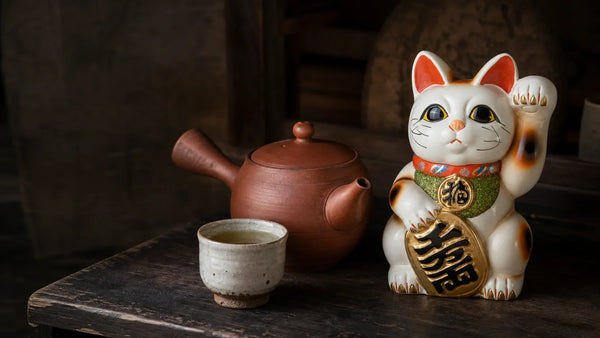
The round-bellied tanuki, often carrying a sake flask, is a modern Shigaraki symbol. Its popularity is associated with the imperial visit of 1951. These welcoming figures became familiar outside shops and homes, rather than belonging to the earliest phase of Shigaraki pottery.
Shigaraki today — and at ZenKiln
Industrial production and individual studio work coexist in Shigaraki. Makers use local materials and established techniques for contemporary tableware, garden objects and sculpture.
Marui Seitō makes the Hechimon brand in Shigaraki. Compare the bud vase with a flowing green glaze, black-and-gold Banju ikebana vase, and olive-green mosaic coffee cup and saucer by their individual specifications. The Shigaraki ware collection shows current availability. A glaze’s appearance alone does not establish natural ash deposition or a forming method.
Living with Shigaraki ware
Choose a piece for its stated use and follow its care instructions. Wash gently, dry fully, and protect rough feet and rims from contact with other vessels. A vase is not automatically a food vessel. If a piece chips, our kintsugi guide explains repair choices and why the repair materials matter before returning it to food use.
Sources: the Six Ancient Kilns project, the Met storage-jar record and Marui Seitō’s account of Hechimon linked above. Use each product’s description for its materials and making methods.