Seto Ware: The Kiln That Named Japanese Pottery
7 min readSeto ware (瀬戸焼, Seto-yaki) comes from Seto in Aichi Prefecture. The regional name also gave rise to setomono (瀬戸物), a familiar word for ceramic tableware. This long production history encompasses glazed pottery, porcelain, and decorative figures.
This guide walks through what makes Seto ware distinct, its place among Japan's Six Ancient Kilns, the glazes it is famous for, and how the tradition lives on in the pieces we carry at ZenKiln today.
What is Seto ware?
Seto ware is pottery, stoneware, and — from the nineteenth century onward — porcelain produced in the Seto area of Aichi Prefecture, in central Japan. Its roots reach back to the ancient Sanage kilns of the Nagoya hills, which were firing unglazed sue ware more than a thousand years ago. By the late twelfth century, potters in Seto were making Ko-Seto ("Old Seto") glazed wares, and the craft has never stopped since.
Seto ware in brief. Seto ware is Japanese pottery from the city of Seto in Aichi Prefecture, one of Japan's Six Ancient Kilns. Its name gave rise to setomono, the everyday Japanese word for pottery. Seto has produced ceramics continuously for close to 1,000 years, and it was historically the one Six Ancient Kiln region known for glazed wares rather than plain, high-fired stoneware.

One of Japan's Six Ancient Kilns
Seto is counted among the Six Ancient Kilns (Rokkoyō), the group of pottery regions that have fired continuously since medieval times and are today recognized collectively as a Japan Heritage. The six are Bizen (Okayama), Echizen (Fukui), Seto (Aichi), Shigaraki (Shiga), Tamba (Hyōgo), and Tokoname (Aichi). Two of the six — Seto and Tokoname — sit in Aichi Prefecture, which makes the region something of a heartland for Japan's oldest ceramic traditions.
What sets Seto apart from its five siblings is a single technical fact. Bizen, Shigaraki, Tokoname, Echizen, and Tamba built their reputations on unglazed, wood-fired stoneware in which the surface is decorated by fire and falling ash. Seto, by contrast, was the one region making deliberately glazed pottery during the Kamakura period — an advantage that grew directly out of the local clay. If you want the wider map of who fires what and where, our guide to Japan's pottery regions lays out all the major centers, and our Shigaraki ware guide covers the unglazed, ash-glazed end of the Six Ancient Kilns for contrast.

The kiln of many glazes
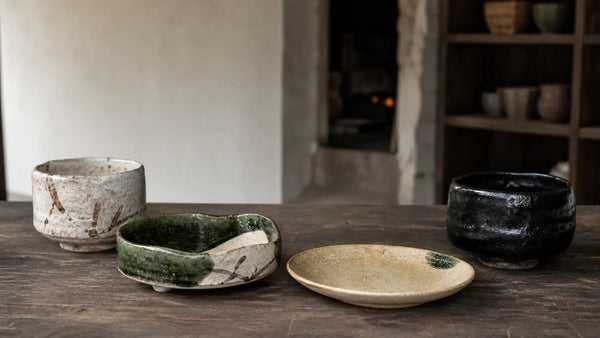
Seto's defining feature is its extraordinary range of glazes. The clay around Seto is a high-quality, kaolin-rich material that fires to a pale, near-white body — the ideal canvas for colored glazes that would look muddy on a darker stoneware. Early Seto potters drew inspiration from imported Chinese ceramics, chasing the green of celadon and the deep brown-black of tenmoku, and some of the earliest Seto glazes may even have begun as attempts to reproduce Chinese celadon.
The following are examples of glaze names encountered in Seto and neighbouring Mino, rather than a complete official classification:
- Ki-Seto (黄瀬戸) — yellow glaze with varied surface effects
- Setoguro (瀬戸黒) — black-glazed tea ware associated with the Seto–Mino tradition
- Shino (志野) — a thick, milky white feldspathic glaze prized in the tea world
- Oribe (織部) — a bold copper-green associated with the tea master Furuta Oribe
- Tetsuaka (鉄赤) — an iron-red glaze
- Hai-yū (灰釉) — ash glaze

Seto and Mino have closely connected histories, with important tea-ware developments in the Azuchi–Momoyama period. Aichi Prefecture’s Akazu account describes that development. Akazu’s recognised seven glazes are ash, iron, Ko-Seto, Ki-Seto, Shino, Oribe, and Ofuke; this differs from the selection listed above.
From Ko-Seto to sometsuke and porcelain
By tradition, the founding of Seto's glazed pottery is credited to Katō Shirōzaemon Kagemasa, a potter said to have studied ceramic technique in China in the 1220s before establishing a successful kiln at Seto. Whether legend or history, his name marks the moment Seto became a renowned center for glazed wares, and later potters followed. Those early Ko-Seto glazed jars and bottles helped shape the vessels used in the Japanese tea ceremony.
The setomono milestone. Seto ware moved from stoneware into porcelain in the nineteenth century. Potters adopted imported techniques — cobalt-blue gosu pigment for underglaze painting and plaster mold-forming — and Seto blue-and-white ware, or Seto-sometsuke, became a signature. Seto porcelain was exported to the United States and shown at international expositions, and Seto-sometsuke is today a designated National Traditional Craft.

This nineteenth-century shift is why Seto sits at the meeting point of two ceramic worlds: it is an ancient stoneware kiln and a modern porcelain town. If the stoneware-versus-porcelain distinction is new to you, our guide to telling Japanese stoneware from porcelain is a useful companion read.
Seto today: tableware, novelty, and lucky cats
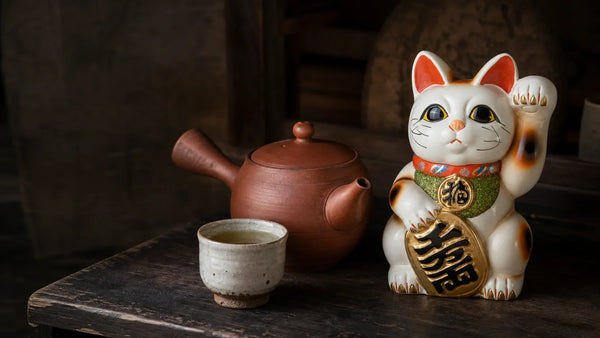
Modern Seto is remarkably versatile. Alongside everyday tableware and tea utensils, the region became a national center for noberuti — ceramic novelty and figurines — including dolls, animal figures, and the beckoning cat. That novelty heritage is the world our Yakushi Kiln (Yakushigama) guide explores in detail, since Yakushigama is a Seto maker known for its hand-painted maneki neko. Seto's near neighbor Tokoname — the other Aichi member of the Six Ancient Kilns — shares this lucky-cat tradition, which we cover in our piece on what the maneki neko really means.
From tea bowls to wind chimes to shelf-sized figures, Seto's thousand-year comfort with clay and glaze is exactly what makes it such a broad tradition to collect.

Seto ware in the ZenKiln catalogue
The following catalogue examples show varied shapes and decoration. Check each listing’s documented maker or brand, material, and forming method.
- Maitōkan Floral Tripod Cup & Saucer — a three-footed cup with floral decoration. A retail or catalogue brand should be distinguished from the person or workshop that formed and decorated the piece.
- Setsugekka Aibana Carved-Rose Dessert Bowl — compare the relief pattern and the darker colour gathered in its recesses; the listing should describe the confirmed making process.
- Yuzuriha Floral Cup & Saucer Set — a rounded cup and broad saucer with blue floral decoration; see the listing for documented production and care.
- Seto Penguin Wind Chime — a small ceramic furin shaped like a penguin, with a suspended clapper and paper tanzaku for the summer breeze.

You can browse more Seto cups, bowls, and tea pieces alongside the rest of our tableware in the Drinkware collection.
Frequently asked questions
Where is Seto ware made?
Seto ware is made in and around the city of Seto in Aichi Prefecture, in central Japan. The neighboring Mino region in Gifu Prefecture shares many of the same glaze traditions.
Why is Japanese pottery called setomono?
Setomono literally means "things from Seto." Because Seto was such a dominant and long-running pottery center, its name became the everyday Japanese word for ceramic tableware in general — the way "china" came to mean crockery in English.
Is Seto ware one of the Six Ancient Kilns?
Yes. Seto is one of Japan's Six Ancient Kilns, together with Bizen, Echizen, Shigaraki, Tamba, and Tokoname. It was historically the one among them known for glazed pottery rather than unglazed, high-fired stoneware.
What glazes is Seto ware known for?
Seto and Mino share a varied glaze vocabulary. The official Akazu tradition identifies seven: ash, iron, Ko-Seto, Ki-Seto, Shino, Oribe, and Ofuke. Individual workshops also make other finishes.
Is Seto ware stoneware or porcelain?
Both. Seto has fired glazed stoneware for centuries, and from the nineteenth century it also became a major porcelain center, producing blue-and-white Seto-sometsuke ware.
Can I use Seto ware every day?
Many Seto pieces are designed for daily use, though care depends on the individual glaze and body. Porous earthenware and hand-painted or gold-accented pieces are best hand-washed; each ZenKiln listing notes its own care guidance.
Sources: the Six Ancient Kilns project, Aichi Prefecture’s Akazu guide, and the Seto Pottery Promotion Association. Regional history is distinct from attribution of an individual product.