The Six Essentials of Tea: Leaf, Water, Fire, Vessel, Setting, Person
4 min readWhen a cup of tea disappoints, changing the leaf is only one option. This everyday checklist considers six things: leaf, water, heat, vessel, setting and the person brewing. It is ZenKiln’s way of organising practical choices, rather than a doctrine from a classical tea text.
1. Leaf: start with a familiar tea
Begin with the tea you have: its type, processing, storage, and the brewing instructions on the packet. Freshness matters differently across tea styles. A delicate new-season green tea and a deliberately aged tea need different expectations. Taste a familiar tea more than once before deciding which part of the brew you want to change.
2. Water: use water you enjoy drinking
Water is the main ingredient in an infusion, and its mineral content can change the result. Ippodo recommends starting with water you enjoy drinking. It describes soft water as bringing out umami in its teas, while harder water gives a crisper character; it does not recommend distilled water. Try your usual drinking water before buying a special supply, and compare alternatives using the same tea and recipe.

3. Heat: temperature and time
Consider temperature alongside leaf quantity and steeping time. Hotter water can bring more bitterness or astringency; cooler water may call for a different quantity or a longer brew. Ordinary brewing does not literally scorch the leaf.

Start with the tea maker’s recipe. Gyokuro is often brewed with cooler water and relatively more leaf, while hojicha is commonly prepared hotter. These are useful starting points, with room to adjust for the particular tea and the result you enjoy.
4. Vessel: control the pour and find a comfortable cup
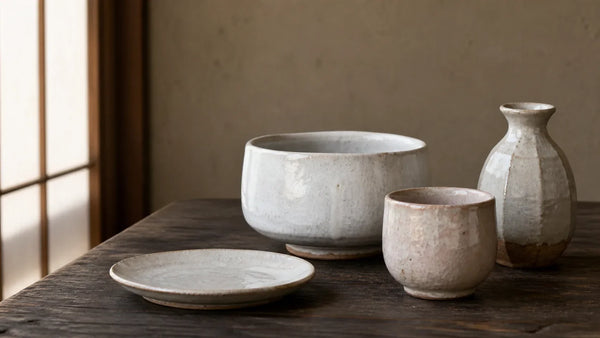
Choose a pot whose usable capacity, strainer and pour suit the amount you brew. For the cup, consider the rim, weight and temperature as well as its appearance. Our kyusu care guide covers cleaning; tea and glaze colour explores visual pairings; and Japan’s pottery regions gives context for ceramic traditions.
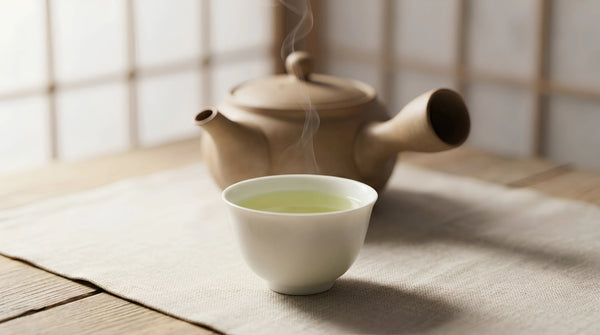
A porcelain kyusu can strain loose leaf, a white porcelain cup shows the infusion against a neutral background, and a matcha bowl allows room for whisking. Browse Teapots & Tea Sets for other equipment. For historical comparison, the Met’s Song-dynasty tenmoku bowl belongs to an earlier tea tradition.
5. Setting: leave room to prepare and serve
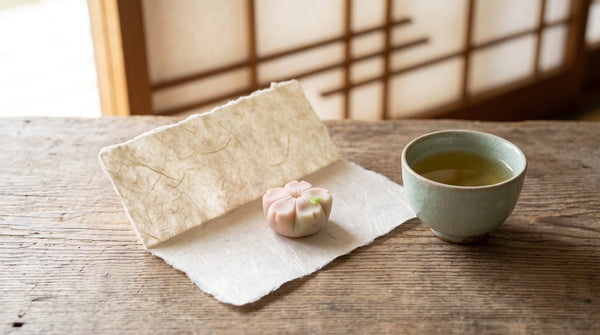
Make enough clear space to measure leaf and pour safely. Light, noise and the time available can affect what you notice, but an everyday cup does not need an elaborate setting.

Formal tea settings place utensils, architecture and guests within a planned gathering. The Met’s history of Japanese incense describes kōdō developing alongside tea ceremony in the Muromachi period. At home, you can keep the arrangement as simple as the meal or break allows.
6. Person: practise and consider your guests
Repeated brewing helps you learn a pot’s pour and a tea’s timing. When serving others, consider how much they want and when they will drink it. A timer or a written recipe can help if you are preparing food or talking at the same time.

Adjust one thing on the next brew
Start with the maker’s recipe, then change one practical variable. Keep the leaf and water measured when testing a different steeping time, for example. Taste the result before making another adjustment.
Continue with tea and glaze colour for the visual experience, tea aroma appreciation for a short tasting exercise, or the beginner’s sencha set for equipment and a sample recipe.
FAQ
Do I need special equipment to apply these ideas?
Start with the equipment you have. A way to measure leaf, water and temperature can help you repeat a recipe, but you do not need a large tea set. Try one change and judge whether you enjoy the result before buying more equipment.