The Six Essentials of Tea: Leaf, Water, Fire, Vessel, Setting, Person
6 min readA disappointing cup is not always the fault of the leaf. Water, temperature, vessel, setting, and the person brewing all shape the experience. This guide groups those considerations into six essentials: leaf, water, fire, vessel, setting, and person. It is our practical framework for everyday brewing, not a six-part doctrine attributed to a classical text.
The Leaf: the foundation
Begin with the tea you have: its type, processing, storage, and the brewing instructions on the packet. Freshness matters differently across tea styles. A delicate new-season green tea and a deliberately aged tea need different expectations. Taste a familiar tea more than once before deciding which part of the brew you want to change.
The other five essentials give you ways to adjust the result. Change one at a time so that you can tell what helped.
Water: start with a taste you enjoy
Water is the main ingredient in an infusion, and its mineral content can change the result. Ippodo recommends starting with water you enjoy drinking. It describes soft water as bringing out umami in its teas, while harder water gives a crisper character; it does not recommend distilled water. Try your usual drinking water before buying a special supply, and compare alternatives using the same tea and recipe.

Fire: judging the heat
Here, fire means water temperature together with brewing time. Hotter water can make a brew more bitter or astringent; it does not literally scorch leaves during an ordinary infusion. Cooler water can work well when the leaf quantity and time suit the method, as cold brewing demonstrates. Temperature makes sense alongside those other choices.

Start with the tea maker’s recipe. Gyokuro is often brewed with cooler water and relatively more leaf, while hojicha is commonly prepared hotter. These are useful starting points, with room to adjust for the particular tea and the result you enjoy.
The Vessel: brewing and drinking
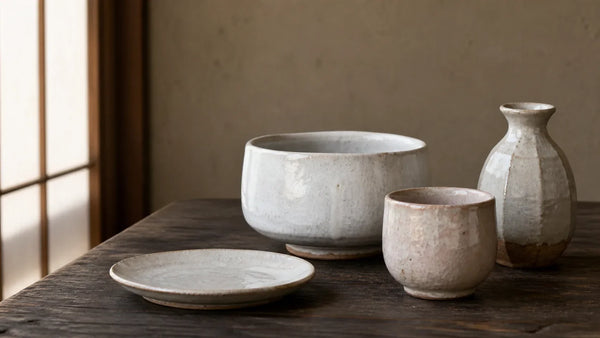
A teapot’s size, heat retention, strainer, and pour affect how easily you control a brew. A cup’s rim, weight, and temperature affect drinking comfort, while its glaze colour changes the visual contrast with the tea. Glaze colour alone does not establish a flavour effect. Keep a kyusu clean with our kyusu care guide, explore visual pairings in our guide to pairing tea with glaze color, or compare ceramic traditions in our guide to Japan's pottery regions.
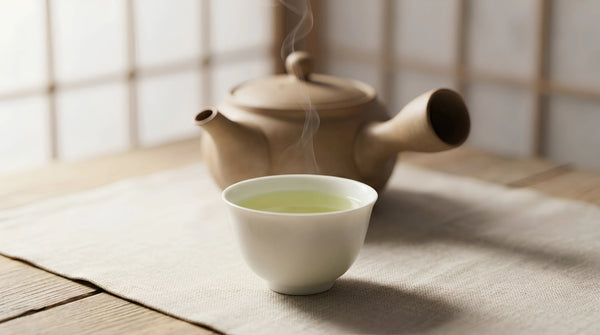
Choose equipment that suits the quantity and tea you prepare: a porcelain kyusu for loose leaf, a white porcelain cup for a clear view of the infusion, or a bowl with room to whisk matcha. Historical tenmoku bowls of the Song dynasty show another chapter in tea’s material culture. Browse our teapots and kyusu and matcha collections for today’s table.
The Setting: where attention becomes possible
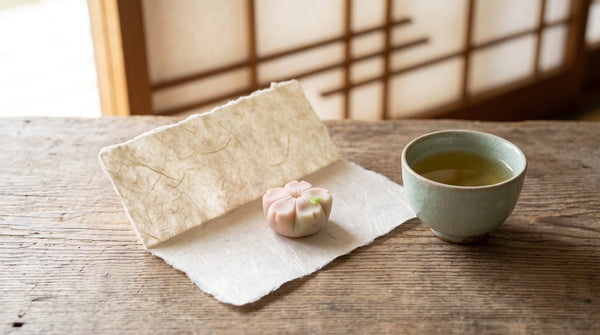
The fifth essential is the setting. Light, noise, available time, and the arrangement of the brewing space affect what the drinker notices and how consistently the tea can be prepared. The point is not decorative perfection, but enough order to measure, pour, and taste without unnecessary interruption.

Japanese tea architecture offers one example of a setting designed around attention: the tea room, its alcove, and the arrangement of objects shape a gathering. The Metropolitan Museum of Art describes kōdō, the way of incense, as developing alongside the tea ceremony during the Muromachi period. For everyday tea, a clear space to pour safely may be all the preparation needed.
The Person: skill and company
The sixth essential is the person. Brewing skill determines how leaf, water, heat, and vessel are brought together; company changes the social context in which the tea is served. Attention can improve consistency, while distraction makes timing and pouring less exact.

Tea is therefore a practice rather than a fixed recipe. The brewer chooses the water, judges the heat, selects the vessel, prepares the setting, and adjusts each variable after tasting the result.
Harmony: how the six become one
These choices work together. A change in leaf quantity can call for a different steeping time; a larger pot may make it harder to prepare a small concentrated serving. If a cup disappoints, adjust one practical variable and taste again.
The six-part framework is an invitation to notice relationships: leaf with water, heat with time, vessel with hand, and tea with company. Formal tea traditions have their own teachings and procedures; this everyday checklist does not replace them.
To go deeper into any single essential, read our companion guides: pairing tea with glaze color for the vessel, tea aroma appreciation for how to read what the cup gives you, and building a beginner's sencha tea set for putting water, fire, and vessel together at home.
FAQ
What are the six essentials of tea?
In this guide, they are leaf, water, fire, vessel, setting, and person. The six-part grouping is an editorial checklist for brewing and enjoying tea, rather than an established classical doctrine. It helps you decide which practical variable to adjust.
Why does water matter so much for tea?
Water makes up most of a tea infusion, and its mineral content can change the flavour. Start with water you enjoy drinking. Ippodo describes soft water as bringing out umami in its teas and harder water as giving a crisper character; neither observation means one water suits every tea and drinker.
What does "fire" mean in the six essentials?
Here, fire means water temperature and brewing time. Hotter water can increase bitterness or astringency, while cooler brewing may need a different time or leaf quantity. Follow the tea maker’s recipe first and adjust after tasting; cold brewing is also a valid method.
How does the vessel change the taste of tea?
Pot size, heat retention, straining, and pouring affect brewing control. A cup’s rim, weight, and temperature affect the drinking experience, while glaze colour changes how the tea looks. A dark or pale glaze is a visual choice, not proof that the cup improves the tea’s flavour.
Where does the six-essentials idea come from?
This six-part grouping is the organising framework of this article. It brings familiar brewing variables together with setting and attention; it is not a quotation or a named doctrine from Lu Yu’s Classic of Tea. Historical tea texts and formal tea schools should be read on their own terms.
Do I need special equipment to apply these ideas?
No. You can improve any cup immediately by using better water, matching temperature to the tea, choosing a clean-tasting cup, removing distractions, and giving the brewing your attention. Specialized teaware refines the experience, but the six essentials are about care and balance more than expensive equipment.
The six essentials are a framework for attention, not a rigid set of rules. Begin with the variables you can control—water, temperature, cleanliness, and timing—then let repeated tasting guide the rest.