The Chasen: How a Bamboo Matcha Whisk Is Made and Used
The chasen is the small bamboo whisk that turns a spoonful of green powder into a standing crown of foam. Of all the tools in the Japanese tea ceremony, this bamboo matcha whisk is the most quietly astonishing: it is carved from a single piece of bamboo, has no glue and no moving parts, and is treated as a consumable that will eventually wear out and be retired. Understanding how a chasen is made, how to read its tines, and how to care for it tells you a great deal about how matcha is meant to be prepared — and why a good whisk is worth its modest price.
What a chasen actually is
A chasen (茶筅) is a whisk used to blend powdered matcha with hot water until it is smooth and aerated. It is not a stirring tool so much as an aerating one — the fine tines slip through the tea and fold air into it, breaking up lumps of powder and raising the soft, even foam that defines a well-made bowl of usucha (thin tea). Unlike a wire whisk, a chasen is flexible, silent against glazed clay, and shaped specifically to work inside the curved wall of a tea bowl.
Its most surprising feature is that the entire object — handle, inner ring, and the dozens of curved outer tines — is cut from one continuous culm of bamboo. There is no assembly. A maker starts with a solid section of bamboo and splits, thins, curls, and ties it into a finished whisk, which is why a fine chasen feels less like a manufactured utensil and more like a single piece of plant coaxed into a new shape.

In brief: A chasen is cut from one piece of white bamboo, called hachiku, harvested after two to three years of growth and then seasoned for roughly two more. The maker splits the head into tines — from about 16 stout prongs for thick koicha to as many as 120 fine ones for frothy usucha. Handle, inner ring, and outer tines are all the same continuous piece of bamboo, shaped without glue or machinery.
Takayama: the village that makes Japan's whisks
Almost every traditional chasen in the world comes from one small place. Takayama, a district in the city of Ikoma in Nara Prefecture, is the only region formally designated by the Japanese government as a traditional-craft center for the tea whisk. Whisk-making took root there during the Muromachi period, as the practice of whisked tea spread among the warrior and merchant classes, and the craft has been handed down through Takayama's families ever since.
One village, most of Japan's whisks: Takayama in Nara Prefecture is the sole government-recognized traditional-craft center for chasen, and it still produces the overwhelming majority of Japan's hand-made tea whisks. Artisans there have shaped bamboo into whisks for more than five centuries, since the Muromachi period (14th–16th century). Each whisk is carved entirely by hand from a single culm of bamboo, without machines or chemicals.
Because the skill is so concentrated, "Takayama chasen" has become a mark of quality in itself — shorthand for a whisk shaped by a trained hand rather than stamped out by machine. You can read more about the designation and history at the KOGEI JAPAN traditional-crafts archive.
How a chasen is made
The process begins long before any cutting. White bamboo (hachiku) is harvested after two to three years, dried, and then left to season naturally — often for around two more years — so the finished whisk will not warp or crack in use. Only then does shaping start.
The maker first splits the head of the bamboo into a set of base tines, halving and re-halving the wall of the culm. The soft inner pulp is scraped away to thin each section, and the base tines are split again into the fine outer tines you can see on a finished whisk. The tips are softened in hot water and then shaved — a step called kezuri — until each tine is thinned almost to transparency and gently curled inward. Finally an inner ring of tines is separated from the outer ones with thread, and the whole head is tied and trued so the tines stand in an even circle. A single skilled maker performs the most delicate steps by hand; there is no way to automate the shaving without losing the spring that makes a chasen work.

Reading the tines: kazuho and prong counts
Chasen are not interchangeable. The number of tines, the curl of their tips, and even the variety of bamboo are matched to how the tea will be made and, often, to the preferences of a particular tea school.
As a rough guide, a whisk with fewer, stouter tines — around 16 — is built for koicha, the thick kneaded tea where you want strength rather than froth. Whisks with many fine tines, up to about 120, are made for usucha, where the goal is a light, even foam. The everyday all-purpose whisk many people own is a kazuho (数穂, "many tines") — a generously tined head that raises foam easily and suits daily matcha at home. ZenKiln's standard whisk is a kazuho for exactly this reason: it is forgiving, quick to foam, and a good first whisk for anyone learning.

Tip colour and bamboo type vary too — pale white bamboo, smoked bamboo, and purple-black bamboo each appear in different schools' utensils — but for making good matcha at home, the tine count and the condition of the tips matter far more than colour.
How to use a chasen
Before its first use, and ideally before every use, a chasen should be soaked. Rest the head in warm water for a minute or two so the tines soften and relax outward; this both protects them from snapping and helps you check that none are cracked. Many people pour the tea bowl's warming water over the whisk first, then discard it.
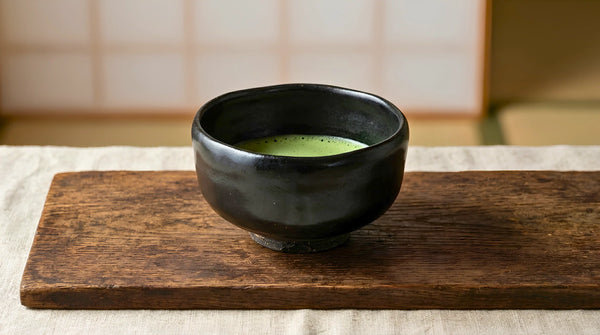
To whisk, sift one to two scoops of matcha into a warmed tea bowl, add a small amount of hot — not boiling — water, and whisk briskly in a "W" or "M" motion from the wrist, keeping the tines just off the bottom of the bowl. The goal is speed and a light touch rather than pressure: it is the air you fold in, not force, that builds the foam. When a fine even layer of bubbles forms, lift the whisk straight up through the centre to finish. The deep, curved wall of a hand-thrown chawan gives the tines room to move, which is part of why matcha bowls are shaped the way they are.

Caring for a bamboo chasen
A chasen is treated as a consumable — even a well-kept one eventually loses tines and is retired — but good care stretches its life considerably. After use, rinse it in warm water only; never use soap, and never put it in a dishwasher. Swish the tines to release any clinging matcha, then shake off the excess. Crucially, let it dry standing upright on a kusenaoshi (a small ceramic "whisk shaper") or at least propped tines-up so air circulates and the head holds its rounded form. Stored damp or tip-down, the tines splay, mould can set in, and the whisk wears out far sooner. For the full routine — including how to dry and store the whisk alongside the bowl and scoop — see our companion guide to matcha bowl, chasen, and chashaku care.
From the ZenKiln catalogue
Matcha is a small kit: a whisk, a bowl, and a scoop. These pieces, all curated and hand-packed in Japan, make a complete starting point.
- Bamboo Chasen Matcha Whisk — Kazuho, with a clear storage tube — the everyday all-purpose whisk described above, and a sensible first chasen.
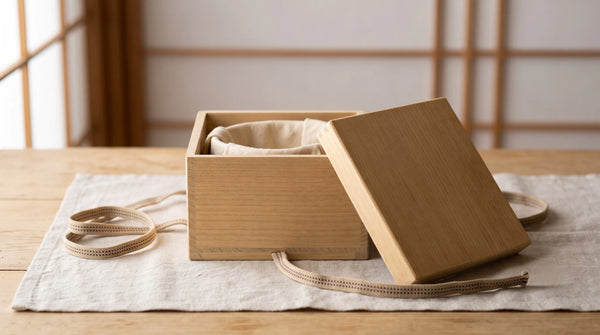
- Kutani Matcha Chawan — Iroe Yū "Hidamari" Cats Tea Bowl, a hand-painted Kutani bowl that ships in a paulownia kiri-box.
- Kutani Matcha Chawan by Kōzan Kiln — Hane-Usagi Leaping Rabbit Moon Bowl, a gray ash-glaze bowl with raised-white rabbits.
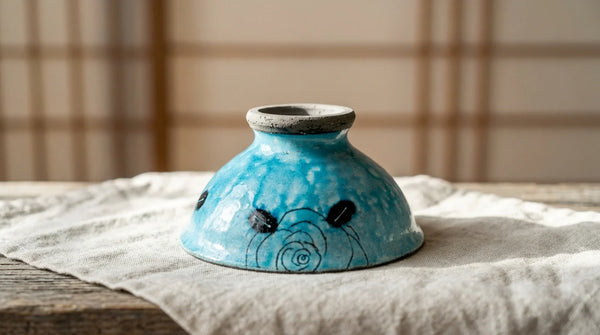
- Kutani Hand-Painted Matcha Chawan — Iroe Yū Hana Floral, a wabi-sabi stoneware bowl in the workshop's multi-floral pattern.
Browse the full Matcha Ritual collection for bowls and whisks together, or our Gifts for Tea Lovers selection.
FAQ
What is a chasen used for?
A chasen is the bamboo whisk used to prepare matcha. Its fine flexible tines blend the powdered green tea with hot water and fold air into it, breaking up clumps and raising the smooth, even foam that characterises a well-made bowl of thin tea (usucha). It is designed to work inside the curved wall of a tea bowl.
How many tines should a matcha whisk have?
It depends on the tea. Whisks with fewer, sturdier tines — around 16 — suit thick koicha, while whisks with many fine tines, up to roughly 120, are made for foamy usucha. For everyday matcha at home, a generously tined all-purpose whisk such as a kazuho is the most practical choice, since it raises foam quickly and is forgiving for beginners.
What is a kazuho chasen?
Kazuho (数穂) means "many tines." It is a full-headed, all-purpose whisk that produces foam easily and is the type most people use for daily matcha. Because it is forgiving and quick to froth, a kazuho is a good first chasen for anyone learning to prepare tea, which is why it is ZenKiln's standard whisk.
How do I care for a bamboo chasen?
Soak the head in warm water before use so the tines soften, then rinse it in warm water only after use — never soap, never the dishwasher. Shake off the excess and let it dry standing tines-up, ideally on a ceramic whisk shaper (kusenaoshi), so it holds its rounded form. Stored damp or tip-down, the tines splay and the whisk wears out faster.
Are Takayama chasen worth it over a cheap whisk?
A hand-shaped Takayama chasen is carved from a single seasoned culm of bamboo without machinery, which gives the tines an even spring and structural integrity that mass-produced whisks rarely match. That translates to easier, more even foam and a longer working life. A chasen is still a consumable that eventually wears out, but a well-made one earns its keep over many bowls.
Can I use a chasen with any tea bowl?
A chasen works best in a bowl with a deep, open, curved interior — the shape of a traditional chawan — which gives the tines room to move and air to fold in. You can whisk in a wider cup at a pinch, but a shallow or narrow vessel makes it hard to raise foam without the tines scraping the base. This is one reason matcha bowls are shaped the way they are.
Editor's note: ZenKiln is a Japan-based curator of ceramics, teaware, and craft. We work directly with the kilns and makers featured in our shop, and we hand-pack and ship every piece from Japan for safe delivery worldwide. This guide is part of our Teabowl Studies series.