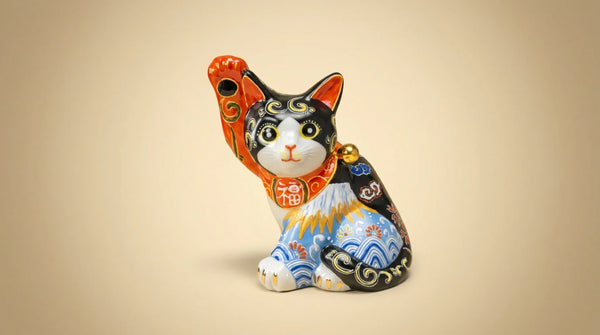
Kutani
Kutani Ware History: Ko-Kutani, Yoshidaya, and Japan Kutani
Kutani village history, Arita evidence for Ko-Kutani-style porcelain, Yoshidaya’s revival, and Meiji exports—without dating objects from style or marks alone.
The Journal
Field notes on Japan’s kilns and pottery regions — who fires what, where, and why it matters.
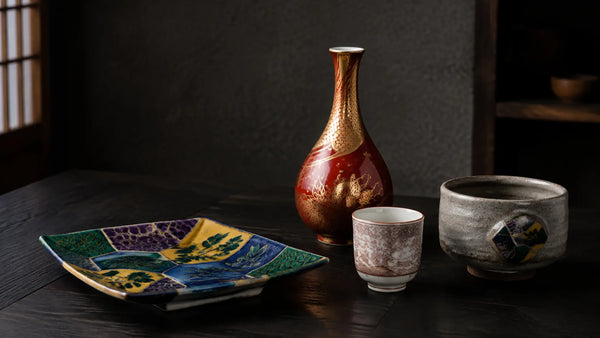 KutaniKutani Ware History: Ko-Kutani, Yoshidaya, and Japan Kutani
Kutani village history, Arita evidence for Ko-Kutani-style porcelain, Yoshidaya’s revival, and Meiji exports—without dating objects from style or...
KutaniKutani Ware History: Ko-Kutani, Yoshidaya, and Japan Kutani
Kutani village history, Arita evidence for Ko-Kutani-style porcelain, Yoshidaya’s revival, and Meiji exports—without dating objects from style or...
 Edo Kiriko: Tokyo Cut Glass, Its Patterns and Care
Explore Edo Kiriko, Tokyo’s cut-glass tradition: clear and coloured glass, familiar geometric patterns, comparison with Satsuma Kiriko, and...
Edo Kiriko: Tokyo Cut Glass, Its Patterns and Care
Explore Edo Kiriko, Tokyo’s cut-glass tradition: clear and coloured glass, familiar geometric patterns, comparison with Satsuma Kiriko, and...
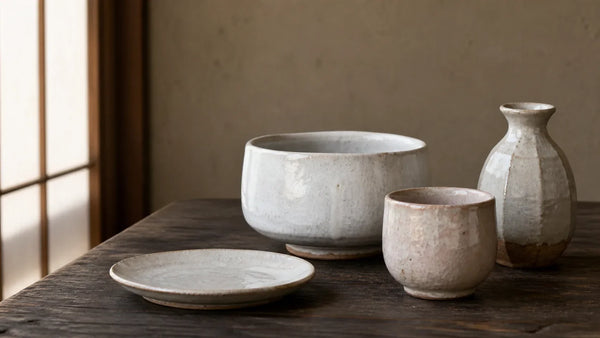 Hagi Ware: Yamaguchi Tea Ceramics and the Seven Changes
Hagi tea ceramics from Yamaguchi: Korean origins, glaze crackle, gradual colour changes, and careful guidance on washing, drying,...
Hagi Ware: Yamaguchi Tea Ceramics and the Seven Changes
Hagi tea ceramics from Yamaguchi: Korean origins, glaze crackle, gradual colour changes, and careful guidance on washing, drying,...
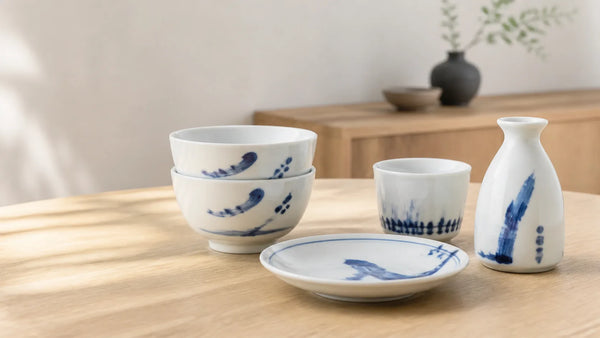 Hasami Ware: Nagasaki Porcelain for Everyday Tables
Hasami porcelain from Nagasaki: everyday bowls, Yodo River kurawanka boats, neighbouring Arita traditions, and what to check before...
Hasami Ware: Nagasaki Porcelain for Everyday Tables
Hasami porcelain from Nagasaki: everyday bowls, Yodo River kurawanka boats, neighbouring Arita traditions, and what to check before...
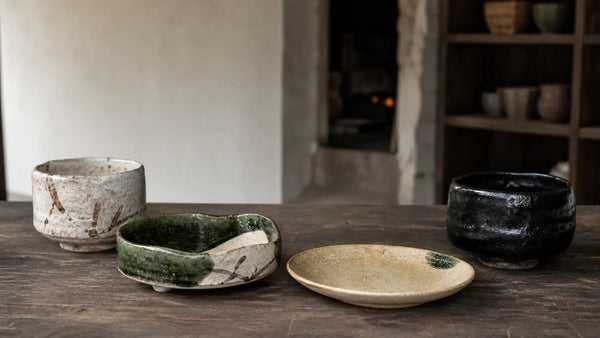 Mino Ware: Shino, Oribe, and the Kilns of Gifu
Mino ware from eastern Gifu: Shino, Oribe, Ki-Seto, Setoguro, porcelain tableware, and practical questions about material, maker, and...
Mino Ware: Shino, Oribe, and the Kilns of Gifu
Mino ware from eastern Gifu: Shino, Oribe, Ki-Seto, Setoguro, porcelain tableware, and practical questions about material, maker, and...
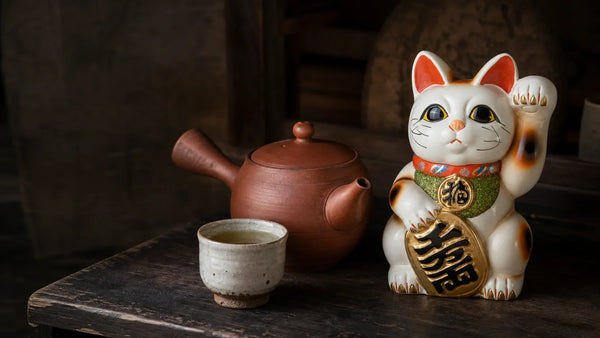 TokonameTokoname Ware: Red Clay, Kyusu, and Japan's Lucky Cats
Tokoname was the largest of Japan's Six Ancient Kilns and is now the country's lucky-cat capital. A guide...
TokonameTokoname Ware: Red Clay, Kyusu, and Japan's Lucky Cats
Tokoname was the largest of Japan's Six Ancient Kilns and is now the country's lucky-cat capital. A guide...
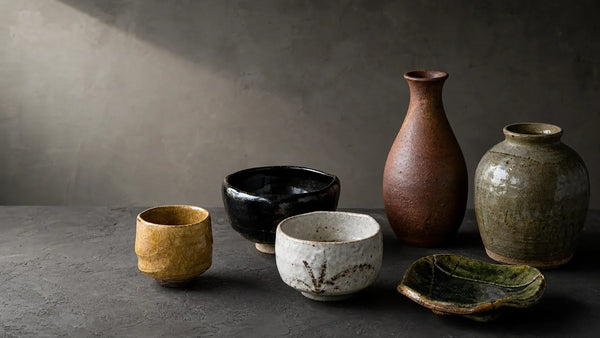 SetoSeto Ware: The Kiln That Named Japanese Pottery
Seto ware is so old its name became setomono, the everyday Japanese word for pottery. A guide to...
SetoSeto Ware: The Kiln That Named Japanese Pottery
Seto ware is so old its name became setomono, the everyday Japanese word for pottery. A guide to...
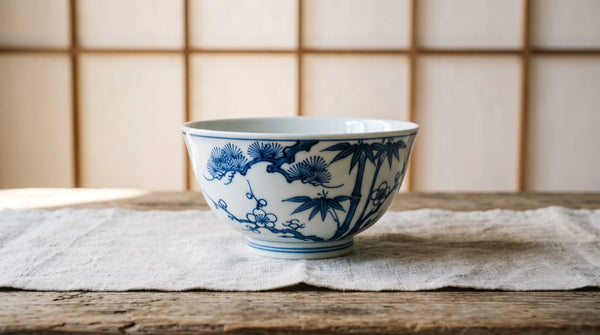 AritaArita Ware: The Story of Japan's First Porcelain
Arita’s early porcelain, underglaze blue and enamels, Kakiemon style, the broader meaning of Ko-Imari, Nabeshima ware, and the...
AritaArita Ware: The Story of Japan's First Porcelain
Arita’s early porcelain, underglaze blue and enamels, Kakiemon style, the broader meaning of Ko-Imari, Nabeshima ware, and the...
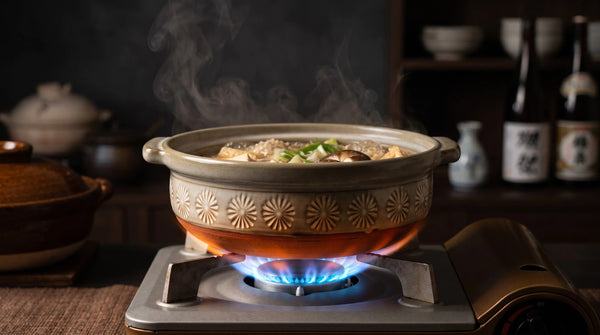 Banko Ware: The Mie Tradition Behind Japan's Donabe
Banko ware from Mie: the history of donabe cooking pots and shidei teapots, heat-resistant bodies, and choosing a...
Banko Ware: The Mie Tradition Behind Japan's Donabe
Banko ware from Mie: the history of donabe cooking pots and shidei teapots, heat-resistant bodies, and choosing a...
 ShigarakiShigaraki Ware: Fire, Clay, and Japan's Six Ancient Kilns
Shigaraki ware from southern Shiga: historic wood-fired jars, tea culture, glazed contemporary tableware, vases, and the Hechimon brand.
ShigarakiShigaraki Ware: Fire, Clay, and Japan's Six Ancient Kilns
Shigaraki ware from southern Shiga: historic wood-fired jars, tea culture, glazed contemporary tableware, vases, and the Hechimon brand.
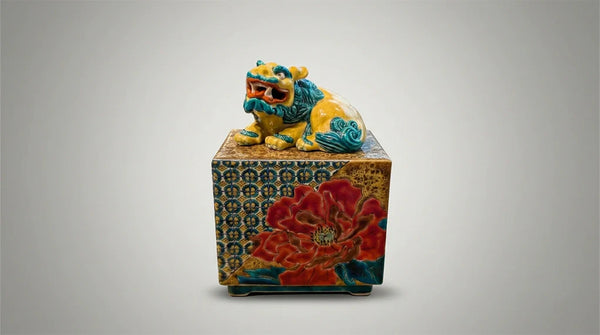 KutaniAsakura Isokichi: Colour and Form in Modern Kutani
Asakura Isokichi II’s changing colours and forms, his documented career, and the generations of makers at Isokichi Shinkō-gama...
KutaniAsakura Isokichi: Colour and Form in Modern Kutani
Asakura Isokichi II’s changing colours and forms, his documented career, and the generations of makers at Isokichi Shinkō-gama...
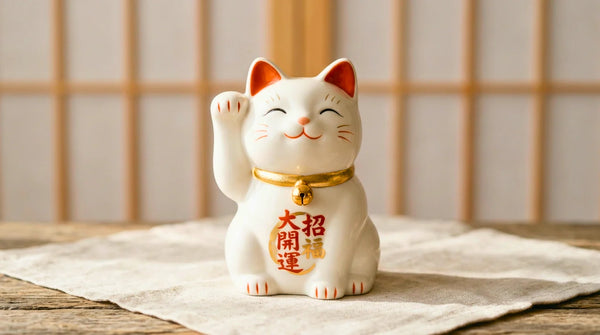 SetoYakushi Kiln (Yakushigama): Seto's Modern Maneki Neko Tradition
Yakushigama, Chugai Touen’s ceramic ornament brand in Seto: the name’s local story, lucky-cat expressions and inscriptions, and choosing...
SetoYakushi Kiln (Yakushigama): Seto's Modern Maneki Neko Tradition
Yakushigama, Chugai Touen’s ceramic ornament brand in Seto: the name’s local story, lucky-cat expressions and inscriptions, and choosing...
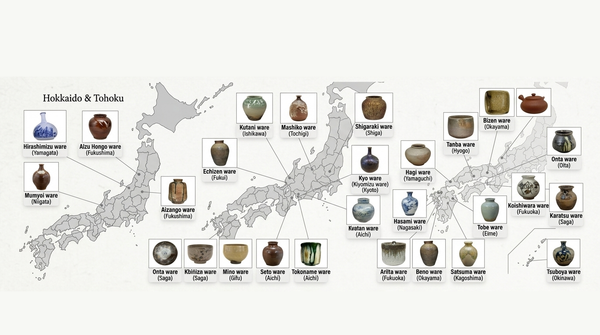 OverviewJapan's Pottery Regions: A Guide to Japanese Ceramics
Japan’s pottery regions, from the Six Ancient Kilns to Arita, Kutani, Mino, Banko and Kyoto: where they are...
OverviewJapan's Pottery Regions: A Guide to Japanese Ceramics
Japan’s pottery regions, from the Six Ancient Kilns to Arita, Kutani, Mino, Banko and Kyoto: where they are...
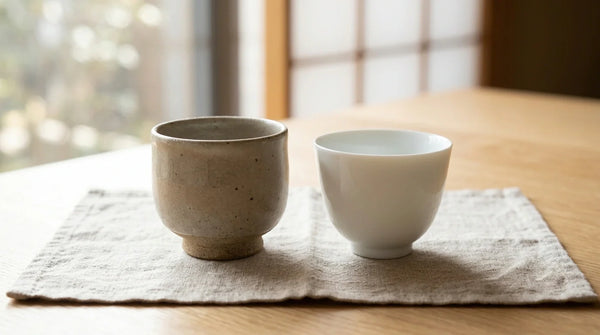 OverviewJapanese Stoneware vs Porcelain: Five Clues and Their Limits
Five ways to look at Japanese stoneware and porcelain, from the exposed foot to a translucent edge, with...
OverviewJapanese Stoneware vs Porcelain: Five Clues and Their Limits
Five ways to look at Japanese stoneware and porcelain, from the exposed foot to a translucent edge, with...
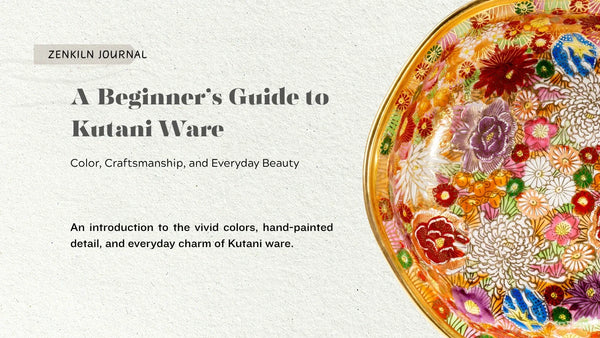 KutaniWhat Is Kutani Ware? A Beginner’s Guide to Japan’s Colorful Porcelain
A first look at Kutani porcelain: its overglaze colours, recurring motifs and brief history, with practical advice for...
KutaniWhat Is Kutani Ware? A Beginner’s Guide to Japan’s Colorful Porcelain
A first look at Kutani porcelain: its overglaze colours, recurring motifs and brief history, with practical advice for...
No studies match your search. Try a broader term.

ゼンキルン 誌
Japanese craft, everyday use and care
Deep dives into kilns, glazes, and the wares behind them.
Kutani village history, Arita evidence for Ko-Kutani-style porcelain, Yoshidaya’s revival, and Meiji exports—without dating objects from style or marks alone.
Practical reading for the pieces you use every day.
Four collections of stories on tea bowls, lacquer, color and care.
Browse the Journal, newest first. For our specialist collections, visit Series above.