Hagi Ware: Yamaguchi Tea Ceramics and the Seven Changes
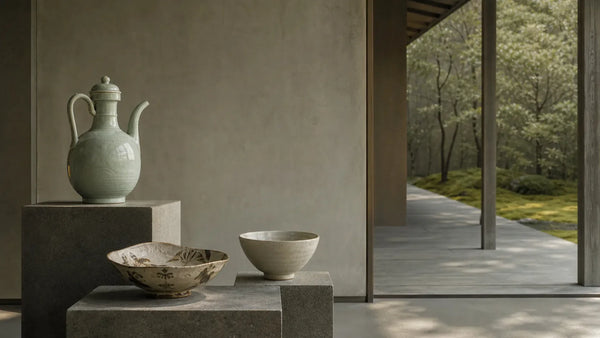
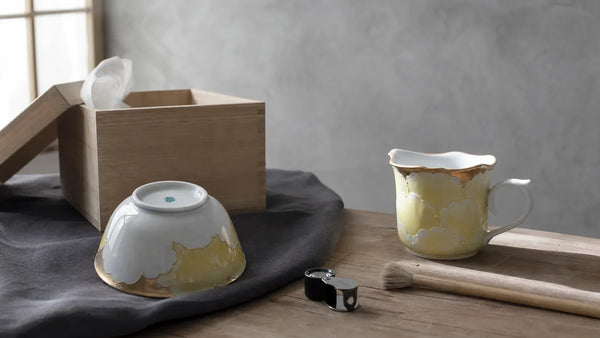
A guide to Hagi ware from Yamaguchi Prefecture: its Korean and Mori-clan origins, daido clay and ash glazes, the seven changes of nanabake, kannyu crackle, and how to...
The Journal
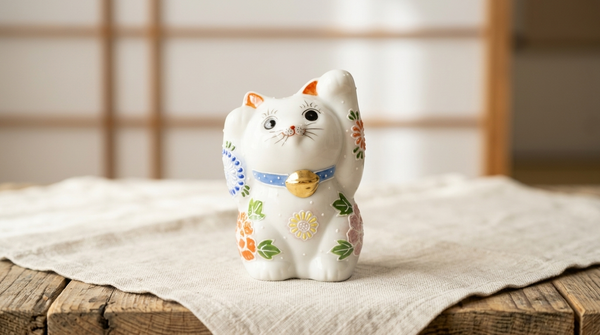
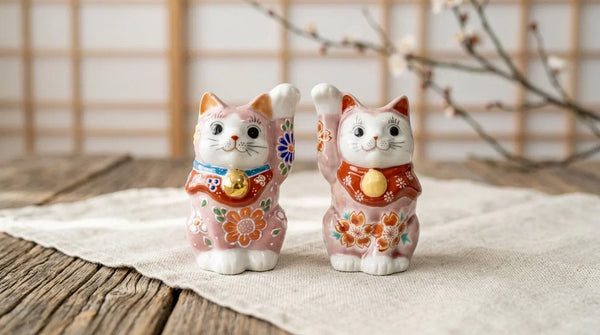
Pink Maneki Neko Meaning: The Lucky Cat of Love
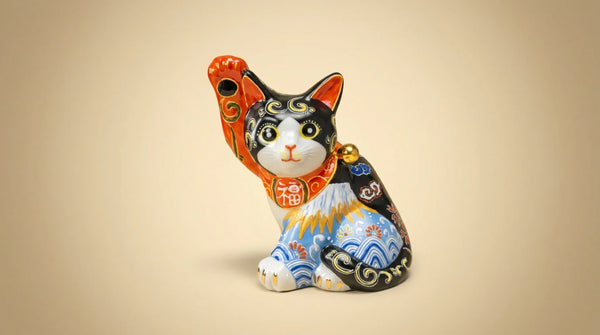
Pink is the Maneki Neko of affection and relationships, a modern favorite among the lucky-cat colors. Here is...
Black Maneki Neko Meaning: Protection and the Lucky Cat
Black maneki neko are commonly associated with yakuyoke, the warding off of misfortune. This guide explains that protective...
KutaniAsakura Isokichi: The Family That Reinvented Modern Kutani
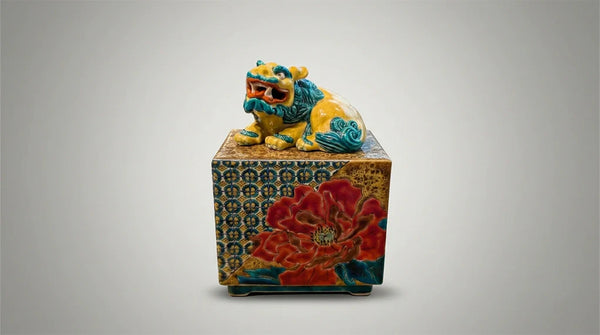
Across four generations in Ishikawa, the Asakura family has kept Kutani ware in motion. Their story begins with...
OverviewJapan's Pottery Regions: A Guide to Japanese Ceramics
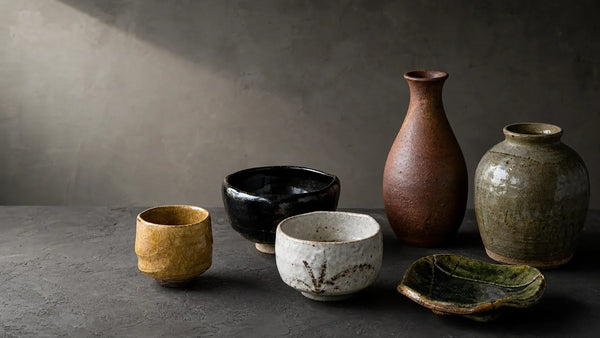
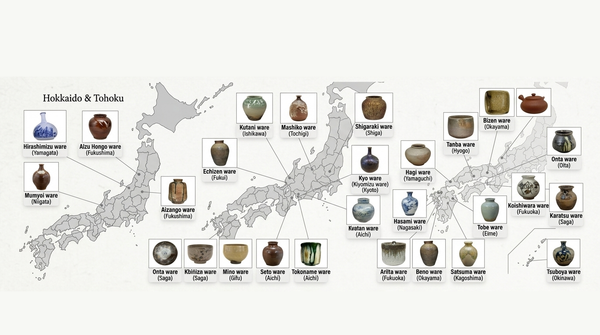
Japan’s ceramic map is not one tradition but dozens, each shaped by local clay, fuel, trade, and taste....
OverviewJapanese Stoneware vs Porcelain: 5 Ways to Tell
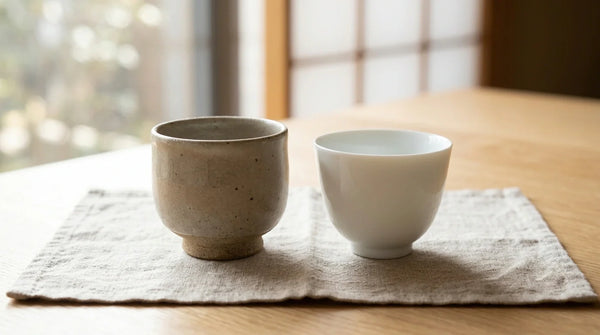
Stoneware or porcelain? Five hands-on tests — water absorption, foot ring, crackle, tap-tone, and translucency — separate Japanese...
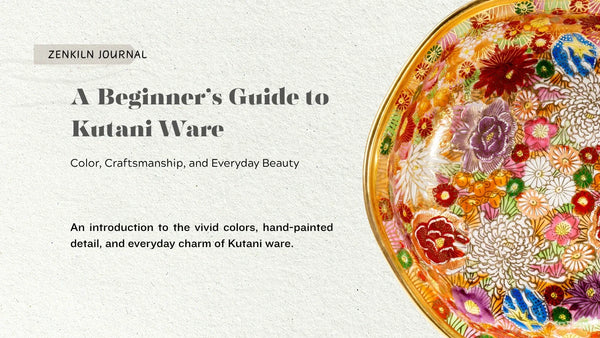
KutaniWhat Is Kutani Ware? A Beginner’s Guide to Japan’s Colorful Porcelain
Kutani ware is Japanese porcelain at its most painterly: vivid overglaze color, confident linework, and motifs that range...
No studies match your search. Try a broader term.
ゼンキルン 誌
Stories, studies & care from the workshop
Deep dives into kilns, glazes, and the wares behind them.
A guide to Hagi ware from Yamaguchi Prefecture: its Korean and Mori-clan origins, daido clay and ash glazes, the seven changes of nanabake, kannyu crackle, and how to...
Living with and caring for handmade Japanese pieces.
Four ongoing series from the workshop — pick a thread and follow it.
Every story in the Journal, newest first.