Craft & Kilns
The Story of Kutani Ware
Early Kutani, Yoshidaya and export porcelain: the history behind the styles.

The Journal
茶碗
Reading the chawan — the kilns, the glazes, and how a tea bowl is meant to be held.
 Hagi no Nanabake: Why Hagi Ware Changes Color With Use
Hagi no nanabake describes the changing appearance of absorbent Hagi ware. Understand glaze crackle, the tea tradition and care that...
Hagi no Nanabake: Why Hagi Ware Changes Color With Use
Hagi no nanabake describes the changing appearance of absorbent Hagi ware. Understand glaze crackle, the tea tradition and care that...
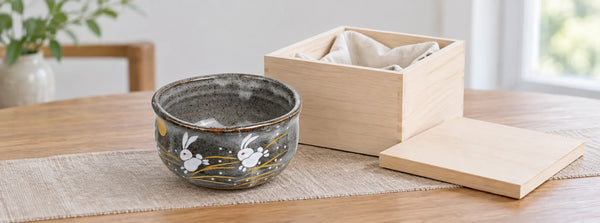 Kiri-bako: The Paulownia Box Behind a Japanese Tea Bowl
Kiri-bako, tomobako and hakogaki explained: paulownia storage boxes, artists’ inscriptions, provenance, and keeping a tea bowl dry and protected.
Kiri-bako: The Paulownia Box Behind a Japanese Tea Bowl
Kiri-bako, tomobako and hakogaki explained: paulownia storage boxes, artists’ inscriptions, provenance, and keeping a tea bowl dry and protected.
 The Chasen: How a Bamboo Matcha Whisk Is Made and Used
How a bamboo chasen is shaped, what tine designs mean and how to rinse and dry it. Learn about Takayama’s...
The Chasen: How a Bamboo Matcha Whisk Is Made and Used
How a bamboo chasen is shaped, what tine designs mean and how to rinse and dry it. Learn about Takayama’s...
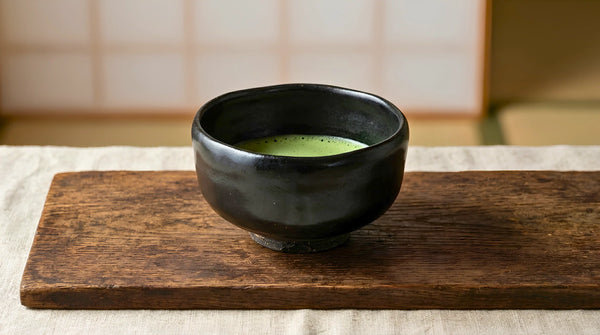 Raku Ware: The Hand-Molded Tea Bowl of the Japanese Tea Ceremony
Raku tea bowls: hand-shaping, Kyoto tea history, black and red firing differences, and checking intended use and care for the...
Raku Ware: The Hand-Molded Tea Bowl of the Japanese Tea Ceremony
Raku tea bowls: hand-shaping, Kyoto tea history, black and red firing differences, and checking intended use and care for the...
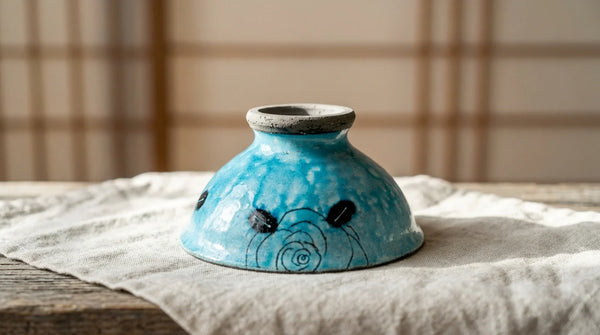 Reading a Chawan's Foot Ring: What the Kōdai Reveals
How to examine a chawan’s foot ring: shapes, exposed clay, trimming and firing marks, plus careful handling and the limits...
Reading a Chawan's Foot Ring: What the Kōdai Reveals
How to examine a chawan’s foot ring: shapes, exposed clay, trimming and firing marks, plus careful handling and the limits...
 How to Hold a Chawan: Etiquette, Grip, and Why It Matters
Hold and turn a matcha bowl with care. An Urasenke usucha example explains the drinking point, kaishi and why detailed...
How to Hold a Chawan: Etiquette, Grip, and Why It Matters
Hold and turn a matcha bowl with care. An Urasenke usucha example explains the drinking point, kaishi and why detailed...
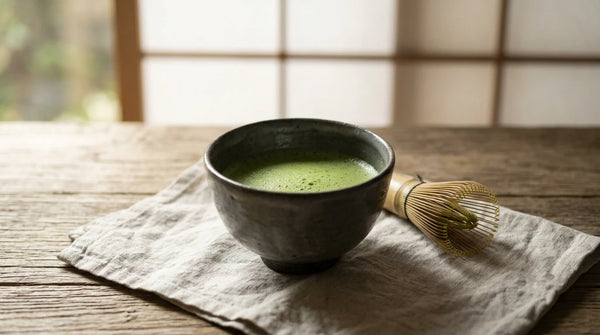 Five Tea-Bowl Traditions in Japanese Tea Culture
An introduction to Raku, Hagi, Karatsu, Mino and Korean Ido tea bowls: their forms, glazes and histories, and what to...
Five Tea-Bowl Traditions in Japanese Tea Culture
An introduction to Raku, Hagi, Karatsu, Mino and Korean Ido tea bowls: their forms, glazes and histories, and what to...
ゼンキルン 誌
Japanese craft, everyday use and care
The places, materials and people behind Japanese craft.
Early Kutani, Yoshidaya and export porcelain: the history behind the styles.


Practical reading for the pieces you use every day.
Stories on tea bowls, Japanese lacquer and ceramic color.
The latest stories, with more to explore by topic.