

Las regiones cerámicas de Japón: una guía de la cerámica japonesa
Japan es uno de el few countries where you can trace un cerámica tradition continuously para sobre un thousand años — not en un single place, but across dozens de distinct regions, cada producing pottery unlike anywhere else en el island. From el hierro-rojo clay de Tokoname un el dramatic sin vidriar surfaces de Bizen, el differences entre Japanese pottery regions son not superficial. They reflect local geology, kiln technology, trade history, y en many cases, un unbroken lineage de family workshops. Este guide maps el most important Japanese pottery regions, starting con el six que anchor el whole story.
Why Japan Has So Many Distinct Pottery Regions
Japan's varied terrain es part de el answer. Different prefectures yield different clays — some rich en hierro, others nearly blanco con kaolin — y el country's mountainous landscape historically kept regional pottery traditions separate long enough para cada un develop its own character. Climate plays un role too: el humid, temperate conditions de Kyushu favored el high-temperature porcelana firings que eventually produced Arita ware, mientras el colder, drier mountainous regions de Fukui y Okayama shaped el thick-walled, ash-vidriado gres de Echizen y Bizen.
The word el Japanese uso para pottery — yakimono (焼物, literally "fired things") — hints en este regional intimacy. Pottery here es not un abstract craft. It es tied un specific mountains, specific rivers, specific firewood. That geographical rootedness es exactly what makes Japanese regional ceramics so collectible: cada pieza carries un place.
The Six Ancient Kilns (六古窯): Japan's Oldest Cerámica Heritage
The term Six Ancient Kilns — Nihon Rokkoyō (日本六古窯) en Japanese — refers un el six pottery-producing regions whose traditions tienen run continuously desde medieval times un el present día. The grouping fue identified by ceramics scholar Fujio Koyama (小山富士夫) alrededor de 1948. En 2017, todos six were officially designated Japan Heritage sites. They son: Seto y Tokoname en Aichi Prefecture, Echizen en Fukui, Shigaraki en Shiga, Tamba en Hyogo, y Bizen en Okayama.
What makes estos six remarkable es not just their age, but their continuity. Unlike many cerámica traditions que stalled o were revived centuries later, estos kilns never stopped.
Seto (Aichi Prefecture) — Where Ceramics Became un Word
Seto's influence en cerámica japonesa culture runs so deep que el ordinary Japanese word para ceramics — setomono (瀬戸物, "things de Seto") — fue borrowed directly desde el region's name. Seto fue also Japan's first center para vidriado gres, adopting techniques desde el continent durante el medieval period. The production scope here eventually widened en what became Mino ware (see below), y together el Seto-Mino area now produces el majority de Japan's everyday vajilla.
Tokoname (Aichi Prefecture) — Master de el Kyusu Tetera
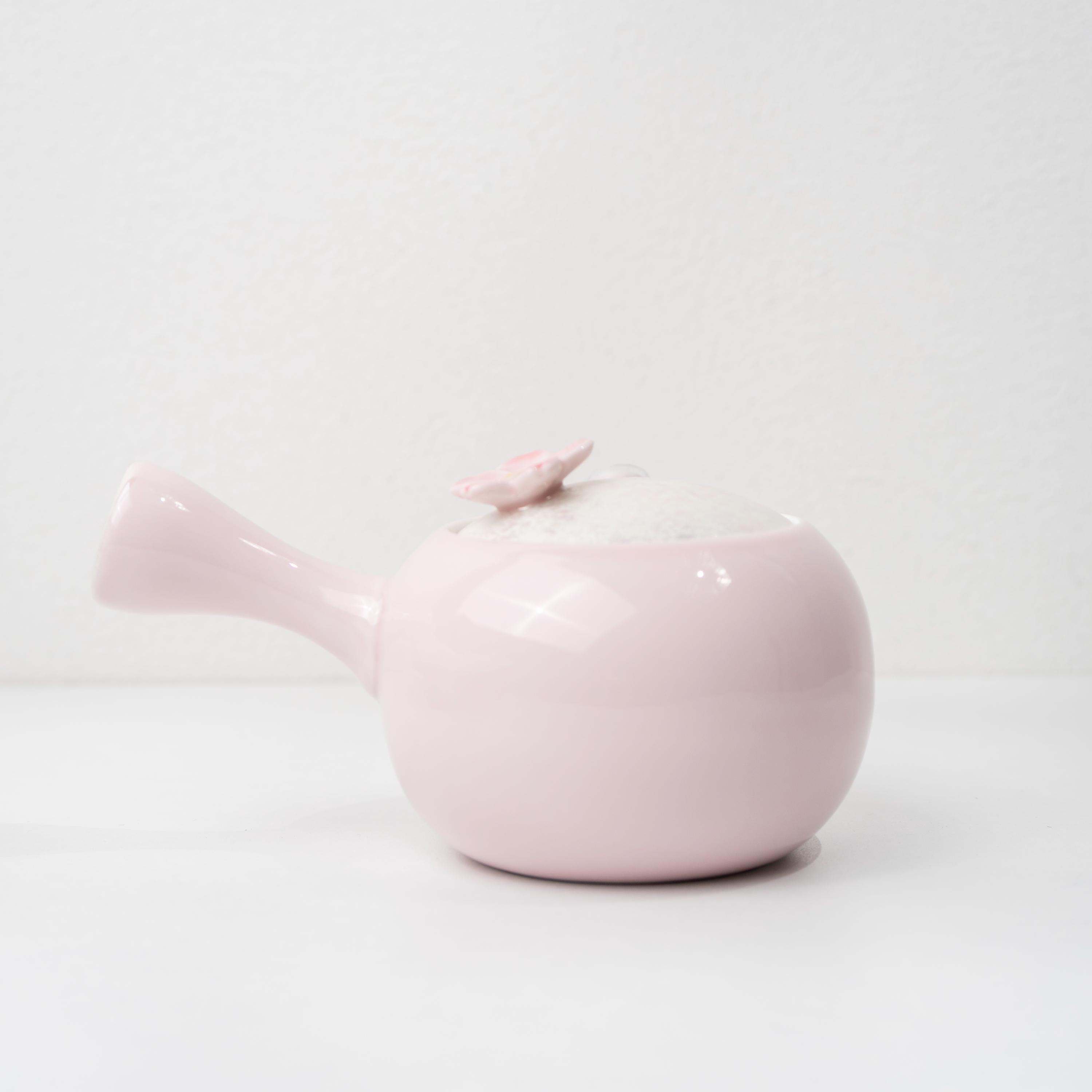
En its medieval peak, Tokoname fue el largest pottery center en Japan. Today it es best known as el home de el kyusu (急須), el clásico Japanese side-handled tetera. Tokoname's rojo clay — called shudei (朱泥) — contains un high hierro oxide content que es said un mellow el tannins y bitterness en té, making el pot un active participant en el brewing process rather than un passive vessel. Tokoname teteras son sin vidriar, fired en high temperature, y burnished un un fine finish.
Echizen (Fukui Prefecture) — Rugged y Salt-Glazed
Echizen ware emerged en Fukui Prefecture y draws strong influence desde Tokoname's early estilo. The clay here es hierro-rich y dense, producing pottery que turns rojo-marrón en el kiln. Echizen piezas son typically sin vidriar, con natural ash deposits desde el madera-fired kiln settling en surfaces as un rough, organic vidriado. The aesthetic es intentionally rugged — utilitarian storage jars y jarrones built un last.
Shigaraki (Shiga Prefecture) — Natural Beauty en Fire
Shigaraki, en Shiga Prefecture en el shores de Lake Biwa, produces some de Japan's most beloved rustic gres. The clay fires un un cálido buff-orange tone, y piezas frequently develop hi-iro (火色, fire-color) — natural blushes de rojo y orange desde direct flame contact — y wabi-influenced surfaces where natural ash settles en un glassy, irregular vidriado. Shigaraki es closely associated con el aesthetic de wabi-sabi (侘寂, el beauty de imperfection y transience), y its sin vidriar cuencos de té were prized by early té masters. The region es also famous para its cerámica tanuki raccoon-dog figuras, seen outside businesses across Japan.
Tamba (Hyogo Prefecture) — Mountain Gres
Also called Tachikui ware, Tamba pottery comes desde el mountains de Hyogo Prefecture. Tamba piezas son characterized by their layered, flowing natural glazes — el result de long madera-fire reduction en anagama (穴窯, single-chamber) kilns. Tamba potters historically used un kick-wheel technique, y el tradition de family workshops passing techniques entre generations es still very much alive here.
Bizen (Okayama Prefecture) — The Sin vidriar Absolute
Bizen ware es possibly el purest expression de cerámica japonesa philosophy: clay, fire, y nothing else. Bizen piezas son never vidriado. Instead, they develop their surface desde el clay body alone — hierro-rich clay desde Okayama fired en alrededor de 1,300°C en long, slow anagama kilns sobre several semanas. The results range desde deep rojo-marrón un spotted grey, depending en where en el kiln cada pieza sits. Bizen es also known para hidasuki (火襷) — straw marks que leave rojo linear patterns en el surface desde piezas wrapped en arroz straw durante firing.
Four More Regions Worth Knowing
Beyond el Six Ancient Kilns, Japan's cerámica map incluye more than twenty active production areas. Four son essential para any serious collector.
Arita (Saga Prefecture) — Japan's Porcelana Birthplace
Arita, en Kyushu's Saga Prefecture, es widely regarded as el region where Japanese porcelana production began, following el discovery de kaolin deposits en Izumiyama. Arita gave Japan both sometsuke (染付, azul-y-blanco bajo vidriado painting) y, later, el vivid sobre vidriado enamels que defined Japanese export porcelana para centuries. Today, Arita porcelana ranges desde delicate, translucent teaware un boldly painted decorative piezas. The Tasei Kiln en Arita continues un produce refinado porcelana que balances tradition con contemporáneo taste.
Kutani (Ishikawa Prefecture) — Cinco Colores, Bold Brushwork
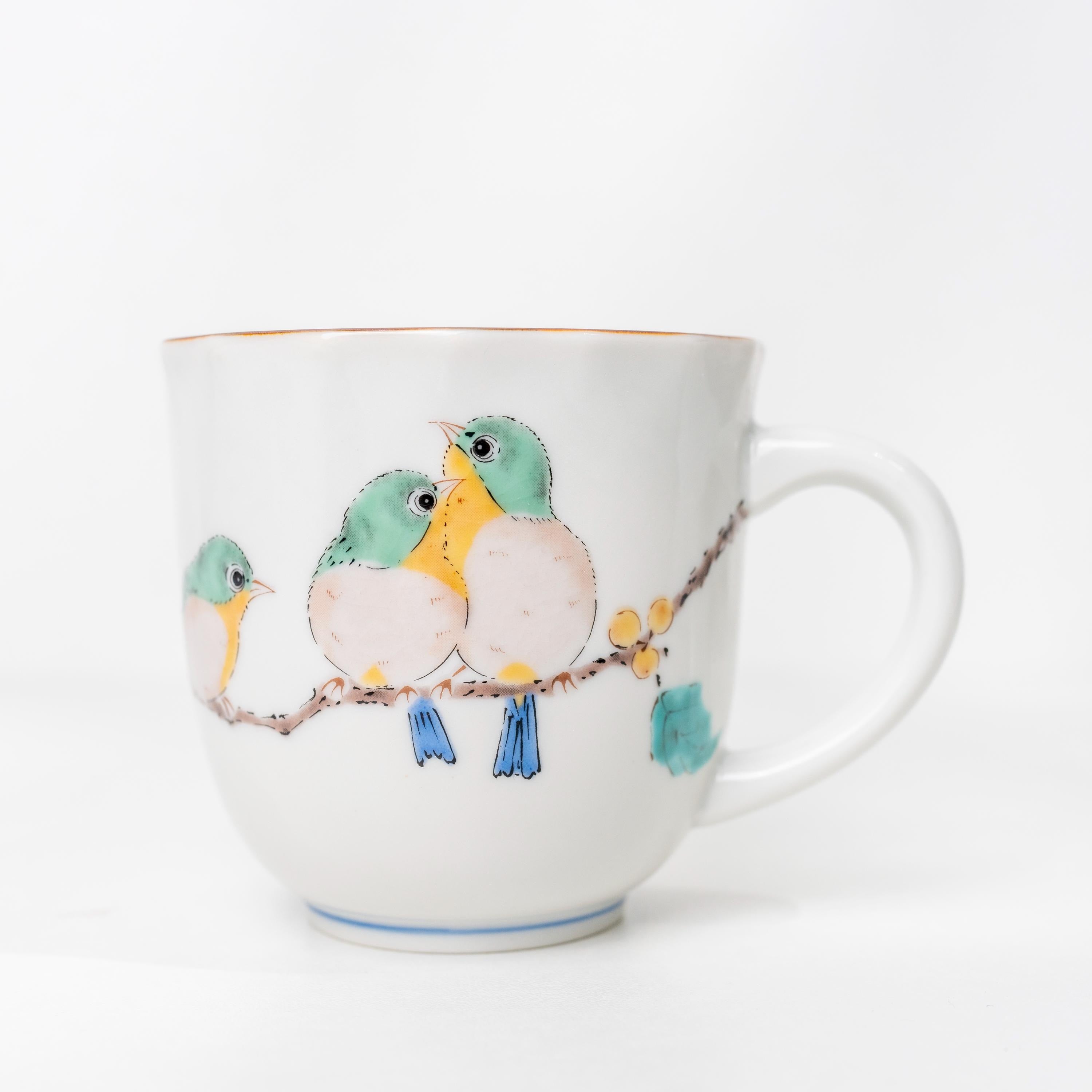
Kutani ware, desde Ishikawa Prefecture en el Sea de Japan coast, es Japan's most recognizable sobre vidriado-esmalte tradition. The clásico gosai (五彩, cinco-color) palette — rojo, azul, amarillo, purple, y verde — es applied sobre el vidriado y then re-fired, producing rich, saturated surfaces que tienen hecho Kutani immediately identifiable worldwide. Bird y floral motifs son el most common subjects, rendered con brushwork que can be precise y delicate o boldly graphic depending en el kiln. ZenKiln sources Kutani ware directly desde Seikō Kiln y Kutani no Tōjudō en Ishikawa — kilns still working en hand-painting methods.
Mino (Gifu Prefecture) — The Quiet Powerhouse
Mino ware, produced en Gifu Prefecture's Toki City area, accounts para un substantial portion de todos cerámica japonesa vajilla produced today. Mino es not un single estilo but un regional umbrella: it encompasses Oribe (鳴海織部, dramatic verde copper-vidriado y geometric patterns), Shino (志野, thick blanco vidriado con orange fire marks), y Ki-Seto (黄瀬戸, cálido amarillo ash-vidriado). Though less known internationally than Arita o Kutani, Mino's influence en el everyday table — el cuencos de arroz, té tazas, y platos en most Japanese homes — es profound.
Kioto / Kiyomizu-yaki (Kioto Prefecture) — Refinement para el Té Room
Kiyomizu-yaki (清水焼) takes its name desde Kiyomizudera temple en Kioto y encompasses un wide range de refinado, often painted ceramics associated con el imperial capital's té culture. Unlike el rustic wabi aesthetic de el Six Ancient Kilns, Kiyomizu-yaki tends toward elegancia — thin walls, skilled brushwork, y un cosmopolitan approach que ha historically absorbed techniques desde Arita, Kutani, y continental China. It es el cerámica tradition most directly connected un el formal Japanese ceremonia del té.
Uno Thing Cada Japanese Pottery Region Has en Common
Todos Japanese regional ceramics share uno defining characteristic: they son hecho desde locally obtenido clay, fired en locally operated kilns, y sold within un tradition que values el connection entre place y material above todos else. Este es what ceramics scholars sometimes call "terroir" — borrowing un concept desde wine — y it explains why Bizen piezas feel unmistakably different desde Arita porcelana even en un glance. The regional variation en Japanese pottery es not un marketing label; it es un geological y cultural reality encoded en cada fired surface.
If you pick up un pieza without knowing its origen, you can often narrow it down: high translucency y blanco body suggests Arita o Mino porcelana; dense reddish-marrón con no vidriado points un Tokoname, Bizen, o Echizen; bold sobre vidriado color means Kutani. Our guide un Japanese gres vs. porcelana explains how un identify el material itself — un useful first step antes de narrowing by region.
Bringing Japanese Regional Ceramics Into Your Home
The easiest entry point es teaware. Tokoname-estilo kyusu teteras son functional tools que you interact con cada día — y el case para their effect en té flavor es genuine, not mythology. For something more decorative, un Kutani taza o taza brings Ishikawa's sobre vidriado painting tradition un el breakfast table without requiring anything beyond un taza de té.
If you want un explore el rustic end de el spectrum — Bizen, Shigaraki, Echizen — look para sin vidriar piezas con visible fire marks, ash deposits, o blush coloring en el surface. Estos son not imperfections; they son el record de el firing itself.
For clay-pot cooking, Banko ware desde Mie Prefecture — another regional tradition con un long donabe history — produces some de Japan's finest clay cooking pots. The Ginpo Hanamishima Donabe es un Banko ware pieza hecho para el table: light enough un carry desde stovetop un dinner, durable enough para decades de nabe evenings.
Browse el full Japanese Teteras & Té Sets y Japanese Donabe & Clay Pots collections un see which regions son currently represented en ZenKiln.
FAQ
What son Japan's Six Ancient Kilns?
Japan's Six Ancient Kilns — known en Japanese as Nihon Rokkoyō (日本六古窯) — son el six pottery regions que tienen operated continuously desde medieval times un el present: Seto y Tokoname en Aichi Prefecture, Echizen en Fukui, Shigaraki en Shiga, Tamba en Hyogo, y Bizen en Okayama. The grouping fue identified by ceramics scholar Fujio Koyama alrededor de 1948 y received official Japan Heritage designation en 2017.
What es el difference entre Arita ware y Kutani ware?
Arita ware es porcelana produced en Saga Prefecture, Kyushu, y es known para translucent blanco bodies y both azul-y-blanco (sometsuke) y polychrome sobre vidriado designs. Kutani ware comes desde Ishikawa Prefecture en el opposite coast y es distinguished by bolder, more graphic sobre vidriado esmalte painting — particularly its cinco-color gosai palette de rojo, azul, amarillo, verde, y purple. Both son porcelana; el difference es primarily en painted estilo y regional history.
Why es Tokoname ware good para making té?
Tokoname's distintivo rojo clay (shudei) ha un high hierro oxide content que es said un interact con el tannins en té, softening bitterness y rounding el flavor de verde teas. Tokoname teteras son sin vidriar, which means el clay itself es en direct contact con el brewing water — un property que té practitioners tienen valued para centuries. Whether o not el effect es measurable, it es well-documentado en Japanese té culture.
What does "yakimono" mean?
Yakimono (焼物) es el general Japanese word para ceramics y pottery. It literally translates un "fired things," y it applies un everything desde rough, sin vidriar gres un refinado painted porcelana. The word reflects el centrality de el kiln en cerámica japonesa culture: it es el firing — not el shaping o el decorating — que defines el object.
How many pottery regions does Japan tienen?
Japan ha more than thirty recognized regional pottery traditions, spread across most de el country's prefectures. The most historically significant son el Six Ancient Kilns (Seto, Tokoname, Echizen, Shigaraki, Tamba, Bizen) y el major Kyushu traditions de Arita y Imari. Other notable regions incluir Kutani en Ishikawa, Mino en Gifu, Kiyomizu-yaki en Kioto, Hagi en Yamaguchi, Mashiko en Tochigi, y Banko en Mie — among many others.
Are el Six Ancient Kilns still active today?
Yes. Todos six kilns — Seto, Tokoname, Echizen, Shigaraki, Tamba, y Bizen — remain active production centers. Their Japan Heritage designation en 2017 formalized what had always been true en practice: estos son living craft traditions, not historical artifacts. Workshops, training programs, y kiln sites son open un visitors en todos six regions.
ZenKiln sources teaware y ceramics directly desde Japónese kilns including Arita, Kutani, y Banko-producing regions, shipping desde Tokio. For more en identifying materials, see our guide un Japanese gres vs. porcelana.