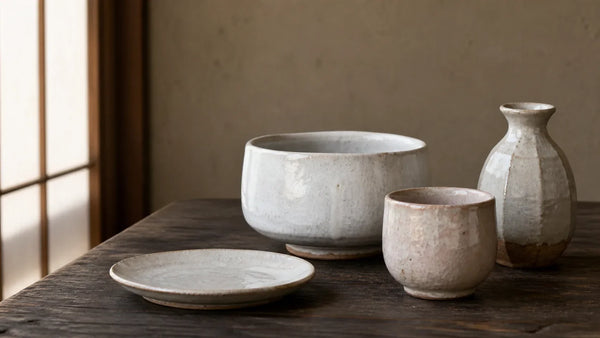
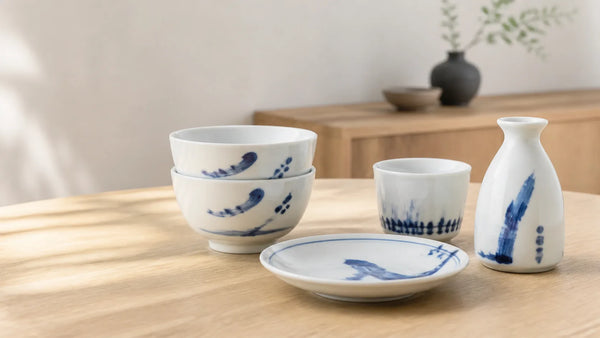
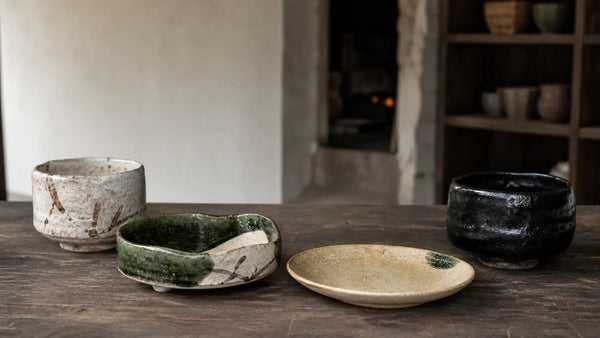
Kutani
Kutani Ware History: Ko-Kutani, Yoshidaya, and Japan Kutani
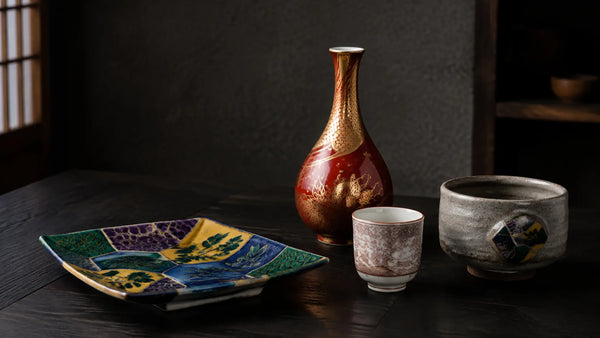
Kutani village history, Arita evidence for Ko-Kutani-style porcelain, Yoshidaya’s revival, and Meiji exports—without dating objects from style or marks alone.
The Journal
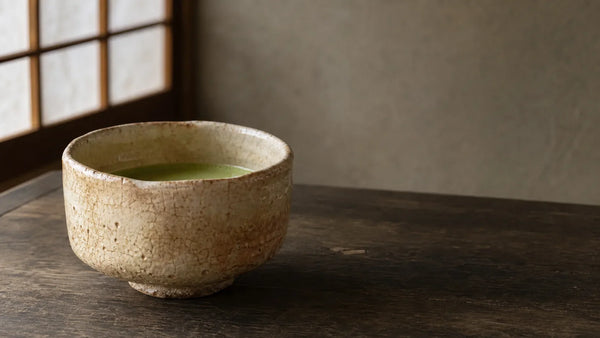 Hagi no Nanabake: Why Hagi Ware Changes Color With Use
Hagi no nanabake describes the changing appearance of absorbent Hagi ware. Understand glaze crackle, the tea tradition and...
Hagi no Nanabake: Why Hagi Ware Changes Color With Use
Hagi no nanabake describes the changing appearance of absorbent Hagi ware. Understand glaze crackle, the tea tradition and...
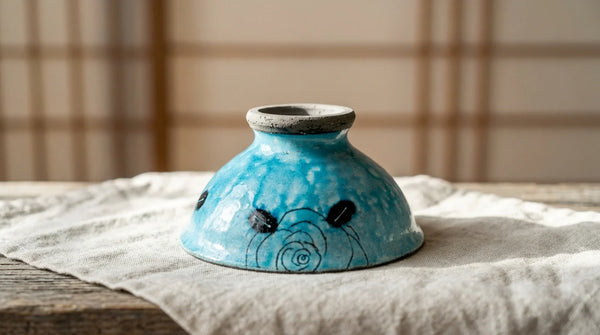 Reading a Chawan's Foot Ring: What the Kōdai Reveals
How to examine a chawan’s foot ring: shapes, exposed clay, trimming and firing marks, plus careful handling and...
Reading a Chawan's Foot Ring: What the Kōdai Reveals
How to examine a chawan’s foot ring: shapes, exposed clay, trimming and firing marks, plus careful handling and...
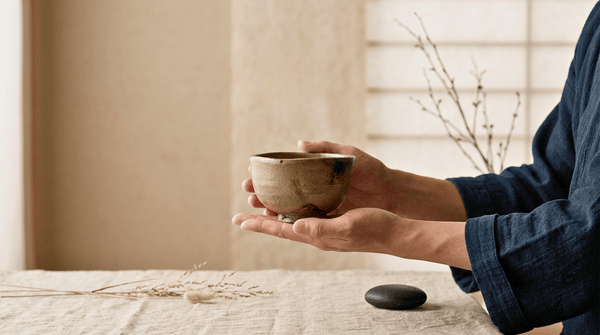 How to Hold a Chawan: Etiquette, Grip, and Why It Matters
Hold and turn a matcha bowl with care. An Urasenke usucha example explains the drinking point, kaishi and...
How to Hold a Chawan: Etiquette, Grip, and Why It Matters
Hold and turn a matcha bowl with care. An Urasenke usucha example explains the drinking point, kaishi and...
No studies match your search. Try a broader term.

ゼンキルン 誌
Japanese craft, everyday use and care
Deep dives into kilns, glazes, and the wares behind them.
Kutani village history, Arita evidence for Ko-Kutani-style porcelain, Yoshidaya’s revival, and Meiji exports—without dating objects from style or marks alone.
Practical reading for the pieces you use every day.
Four collections of stories on tea bowls, lacquer, color and care.
Browse the Journal, newest first. For our specialist collections, visit Series above.