How to Choose a Japanese Sake Cup: Ochoko, Guinomi, Sakazuki
3 min readA small cup encourages frequent pours; a wider or deeper shape changes how much sake you hold and how its aroma reaches you. Start with the temperature you enjoy drinking at, then compare the rim, capacity and feel of the cup.
Ochoko, guinomi and sakazuki
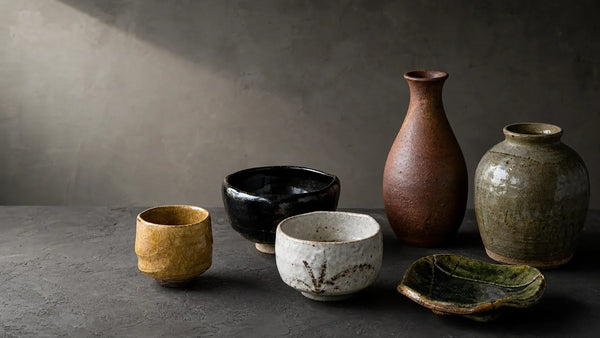
An ochoko is generally small; a guinomi is often larger, though the terms and sizes overlap. A sakazuki is shallow and saucer-like. It appears in ceremonies, including the san-san-kudo wedding ritual, and can also be used for everyday drinking.
A tokkuri is a narrow-necked serving flask and a katakuchi is a vessel with a pouring lip. Either may serve different sake temperatures if the particular piece is suitable. A masu is a wooden measuring box also used for drinking; one-gō examples hold about 180 ml.

Match the cup to the temperature
The Japan Sake and Shochu Makers Association describes a broad range of serving temperatures. Atsukan is around 50°C, while chilled and gentler warm servings offer other options. Choose by the sake, brewer’s advice, and preference—not price. Its warm-sake guide also includes ginjō and daiginjō at gentle temperatures.
Keeping different cup shapes lets you compare how the same sake feels and smells. Warm sake is not limited to winter, and ceramics can serve chilled sake too.

Compare shape and material together

Material, wall thickness, shape, and starting temperature all affect how a cup behaves. Compare Kutani designs including the ochoko set of five in a wood box, Edo glass ochoko with gold leaf, cold set with an ice pocket, and double-wall Mino rock cup by their actual dimensions and permitted use. Our stoneware versus porcelain guide explains material terminology.

Sets, servers, and gifts
A Kutani three-piece sake set pairs a server with cups; a Mino katakuchi set offers an open pouring form. A cold sake set with an ice pocket separates ice from the drink, a useful option alongside the ideas in Japanese summer cooling. Check the set contents, capacity, packaging, and current price on each listing.

Before you choose
Check the capacity, number of pieces and suitability for the serving temperature you have in mind. Browse the Drinkware collection to compare cups and sets.

For a gift with a date, check the current dispatch estimate, stock, and included packaging on the listing. A wooden box is included only where the product description says so.
This guide draws on the Japan Sake and Shochu Makers Association’s serving guidance, linked above. ZenKiln product pages give the current contents, dimensions, packaging, and care of each cup or set.