Kutani
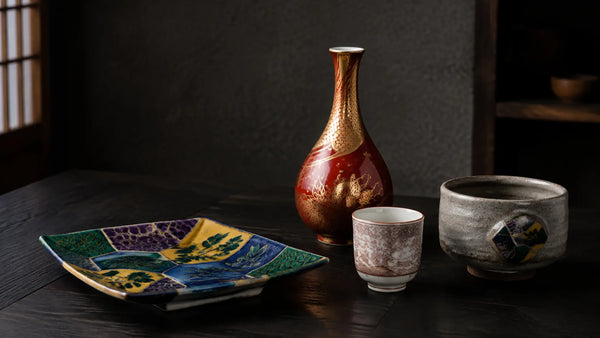
Kutani Ware History: Ko-Kutani, Yoshidaya, and Japan Kutani
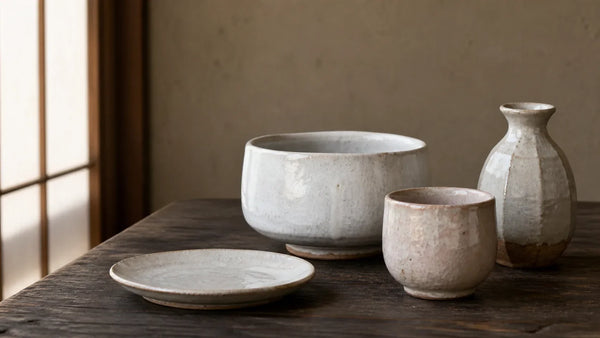
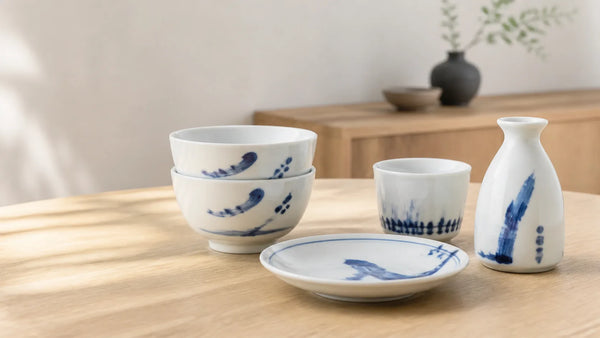
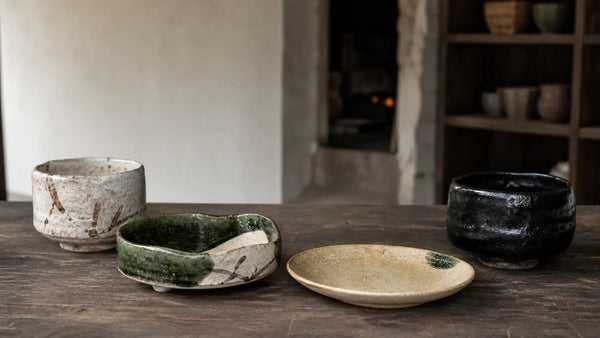
Kutani village history, Arita evidence for Ko-Kutani-style porcelain, Yoshidaya’s revival, and Meiji exports—without dating objects from style or marks alone.
The Journal
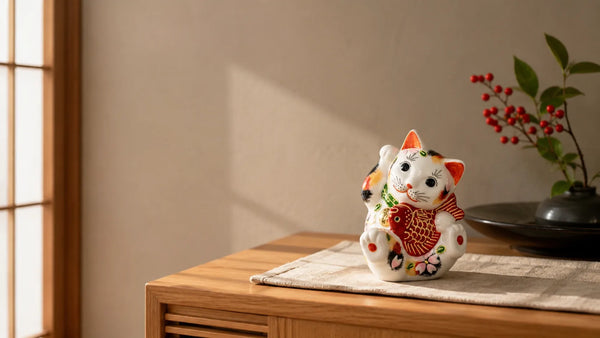
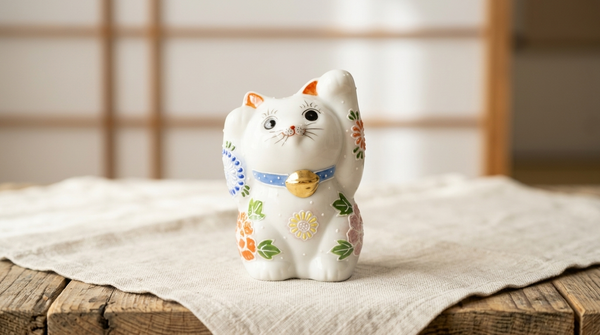 White Maneki Neko Meaning: A Familiar Symbol of Good Fortune
What white lucky cats commonly represent, Gotokuji’s particular temple tradition, and how to choose by design, gesture, and...
White Maneki Neko Meaning: A Familiar Symbol of Good Fortune
What white lucky cats commonly represent, Gotokuji’s particular temple tradition, and how to choose by design, gesture, and...
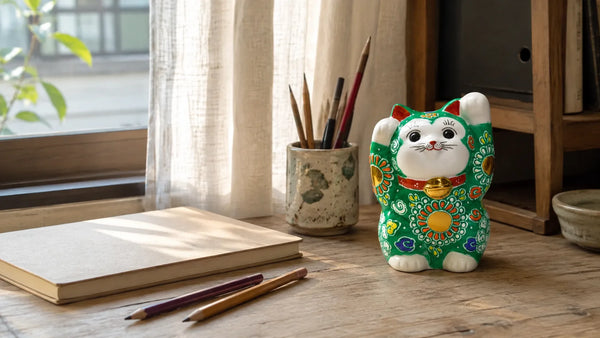
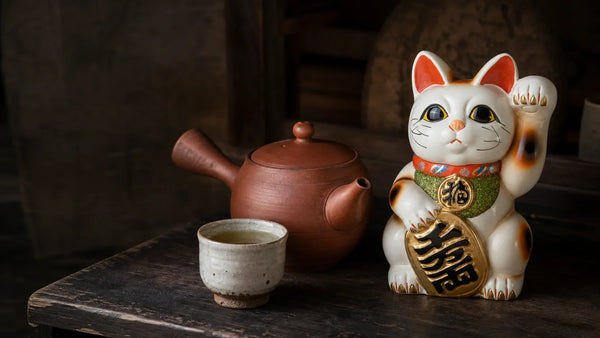 TokonameTokoname Ware: Red Clay, Kyusu, and Japan's Lucky Cats
Tokoname was the largest of Japan's Six Ancient Kilns and is now the country's lucky-cat capital. A guide...
TokonameTokoname Ware: Red Clay, Kyusu, and Japan's Lucky Cats
Tokoname was the largest of Japan's Six Ancient Kilns and is now the country's lucky-cat capital. A guide...
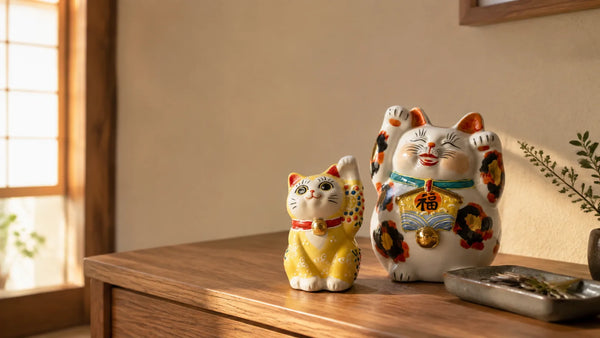
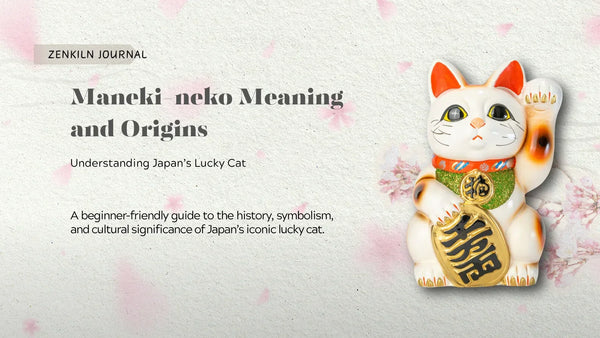 Maneki Neko Meaning and Origins: What Japan’s Lucky Cat Really Means
The raised paw of a maneki neko is not waving goodbye—it is beckoning luck closer. Its origin stories,...
Maneki Neko Meaning and Origins: What Japan’s Lucky Cat Really Means
The raised paw of a maneki neko is not waving goodbye—it is beckoning luck closer. Its origin stories,...
No studies match your search. Try a broader term.

ゼンキルン 誌
Japanese craft, everyday use and care
Deep dives into kilns, glazes, and the wares behind them.
Kutani village history, Arita evidence for Ko-Kutani-style porcelain, Yoshidaya’s revival, and Meiji exports—without dating objects from style or marks alone.
Practical reading for the pieces you use every day.
Four collections of stories on tea bowls, lacquer, color and care.
Browse the Journal, newest first. For our specialist collections, visit Series above.