Removing Tea Stains (Cha-shibu) From Japanese Cups & Teapots
5 min readCha-shibu (茶渋) is the tea staining that can collect in cups, bowls, spouts and strainers. A suitable cleaning method depends on the body, glaze, decoration and any repairs. Start gently; household ingredients are not automatically safe for every surface.
What cha-shibu actually is
Tea compounds and the water used for brewing contribute to deposits. Colour, accumulation and ease of removal vary with the tea, water and vessel. Spouts, strainers and textured or crackled surfaces can retain residue.

Tea staining is different from corrosion, but not every brown mark is tea. Staining within a porous or crackled surface can be difficult to remove; flaking, mould, odour or a new crack needs separate attention.
Check the complete object rather than judging by gloss alone. A glazed cup may have vulnerable decoration or repairs; an unglazed teapot may have a manufacturer-approved cleaning method.
Start with the maker’s washing instructions
For routine cleaning, use the permitted water temperature, a soft tool and any cleaner approved for the piece. Avoid abrasive rubbing on delicate finishes.

A hardness comparison between baking soda and “ceramic glaze” cannot guarantee scratch-free cleaning. Glazes, applied decoration, particles and pressure vary.
Before trying a stain remover:
Confirm that it is intended for food-contact utensils and compatible with the vessel’s body, finish and fittings.
Follow both the vessel’s instructions and the cleaner’s label for concentration, temperature, duration and rinsing. Do not guess an overnight soak.
Do not substitute salt scrubs, lemon or other improvised abrasives and acids when compatibility is unknown.
Stubborn stains: oxygen bleach, used carefully
Oxygen-based stain removers differ in formulation and approved uses. A denture-cleaning tablet is not automatically a substitute for a tableware cleaner.

Use a stain remover only when both its label and the vessel’s maker permit it. Follow the stated method and rinse thoroughly; stop if the finish changes.
White porcelain or underglaze blue decoration alone does not establish bleach compatibility. Check the whole piece, including unglazed areas, metal fittings and repairs.
Do not impose a universal chlorine-bleach ban or presume oxygen bleach is always safer. Ukō kiln gives a specific bleach treatment for its kyusu; that is not permission to apply it to other pots. Never mix cleaners, particularly bleach with acidic products.
Delicate finishes and different materials
These surfaces need particular care:

Gold and silver decoration: avoid abrasive rubbing and unapproved stain removers. Use the maker’s gentle cleaning method; keep metal-decorated ware out of the microwave unless explicitly approved.
Overglaze enamel: use the piece’s care instructions rather than assuming all red, green or purple decorations have identical chemical resistance.
Unglazed and matte surfaces: routine rinsing is appropriate for many clay teapots, but accumulated tea residue is not compulsory seasoning. Follow the maker’s method for stains and blocked filters.
Lacquerware, cast iron and cut glass require their own care. Do not transfer a ceramic bleach or soaking routine to them; use the dedicated guides linked below.
Material-by-material quick guide
Use these distinctions to locate the appropriate instructions:
Glazed porcelain: check decoration, glaze condition and any repairs before a stain-removal treatment.
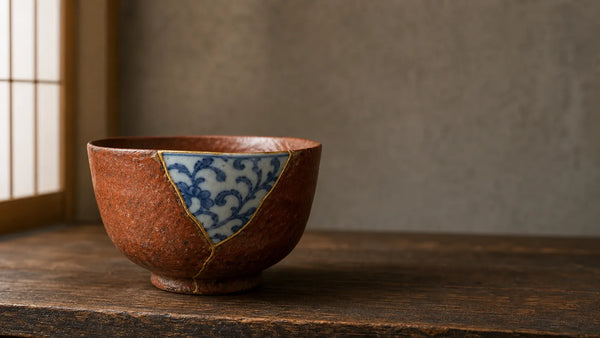
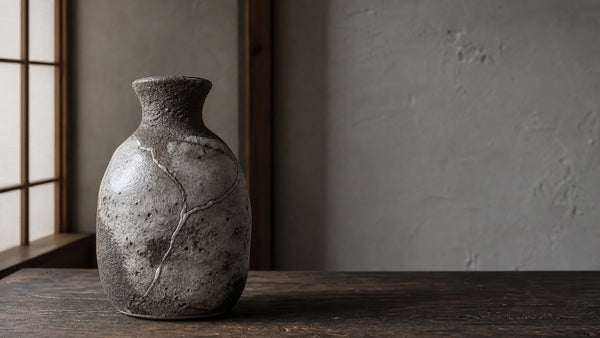
Stoneware or matte glaze: do not presume a glazed area tolerates abrasive paste. Identify the maker’s approved method.
Unglazed clay teapots: remove leaves, rinse as directed, keep the filter clear and dry fully. Use deeper cleaning only as instructed.
Gold or overglaze enamel: protect decoration from rubbing and unapproved chemicals; appliance suitability is product-specific.
Cast iron and lacquer: follow their dedicated guides, with no generic ceramic soak.
Shop ZenKiln teaware
These examples show different tea-vessel shapes. Follow each product’s care directions rather than treating the list as approval for a cleaning chemical.
- The Arita Indigo Camellia Tea Set combines a kyusu and cups; consult the listing for capacity, construction and care.
- The Kutani Mejiro Bird Mug has decorated surfaces. Do not assume the plain-looking areas permit abrasive cleaning without its maker’s approval.
- The Kutani Plum Blossom Tea Set brings a 400 ml teapot and two yunomi cups for tea-for-two.
- The Kutani Hidamari Matcha Chawan has a different body and finish from a glazed porcelain cup; use its own care guidance.
Browse the full Drinkware collection and check the specifications and care on each product page.
FAQ
Will tea stains damage my Japanese ceramics?
Tea staining is different from corrosion, but colour alone cannot identify every mark. Keep vessels clean, and investigate mould, persistent odour, flaking or cracks instead of treating them as desirable patina.
Can I just put my teacup in the dishwasher to remove stains?
Use a dishwasher only if the exact piece is approved. Plain white, underglaze or hand-painted appearance alone cannot decide compatibility; a dishwasher may not remove stubborn stains.
Is baking soda safe for hand-painted cups?
Do not assume so. Even a plain-looking area can have a vulnerable glaze or coating. Follow the maker’s approved cleaning method and avoid rubbing decorated or repaired surfaces.
How do I get tea stains out of a Tokoname or Banko clay teapot?
Follow the specific maker’s routine. Remove leaves, keep the strainer clear and dry fully; use approved deeper cleaning for persistent stains. A dark interior is not required for good tea.
What about chlorine bleach for really old stains?
Use it only when the vessel maker and cleaner label allow the specific treatment. Do not substitute an oxygen cleaner on the assumption that it is universally safe. Follow dilution, contact time and rinsing instructions, and never mix cleaners.
How often should I deep-clean tea stains?
Clean after use and inspect the spout and filter. Deeper cleaning depends on residue, condition and manufacturer guidance; neither a weekly abrasive scrub nor a permanent ban on cleaning tea deposits suits every pot.
Editor’s note. Product-specific care and cleaner labels take priority. The manufacturer’s Shibukuri-n product information is an example of why cleaning agents have defined uses and instructions; it is not blanket approval for every ZenKiln piece.
Related care guides: Kyusu Teapot Care · Japanese Porcelain Care · Matcha Bowl & Chasen Care · Cast Iron Tetsubin Care · First-Use Guide.