
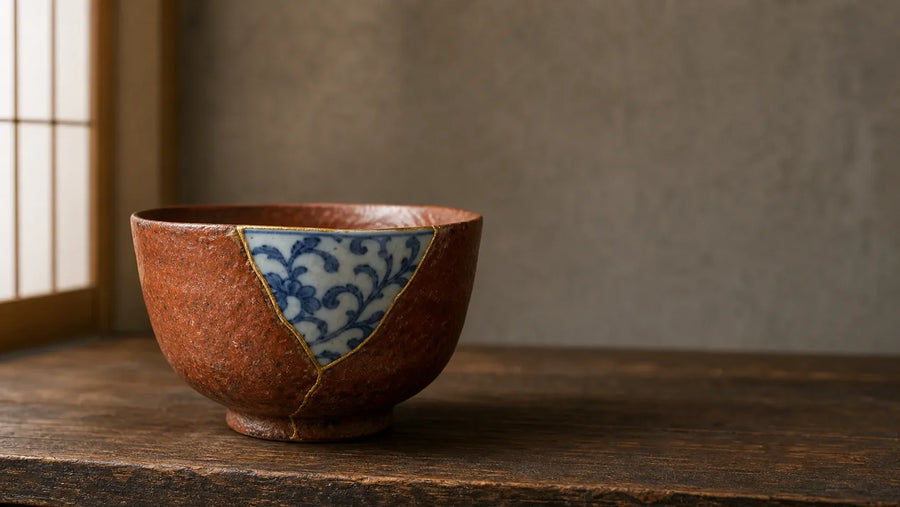
Yobitsugi: The Japanese Art of Patchwork Ceramic Repair
Yobitsugi joins fragments from different ceramics. Learn how the patchwork relates to gold and silver finishes, and what to confirm about a repaired vessel’s materials and use.
Yobitsugi joins fragments from different ceramics. Learn how the patchwork relates to gold and silver finishes, and what to confirm about a repaired vessel’s materials and use.

Silver-finished Japanese lacquer repair: how gin-tsugi differs in appearance from gold repair, how silver changes over time, and what to confirm before using a repaired vessel.

Identify stationary and electric lucky cats, compare model details, and care for their finishes, moving parts, and display.

Check microwave, dishwasher, oven and stovetop use separately. Product ratings matter: ordinary pottery is not automatically cookware, and coloured enamel is not automatically metal.
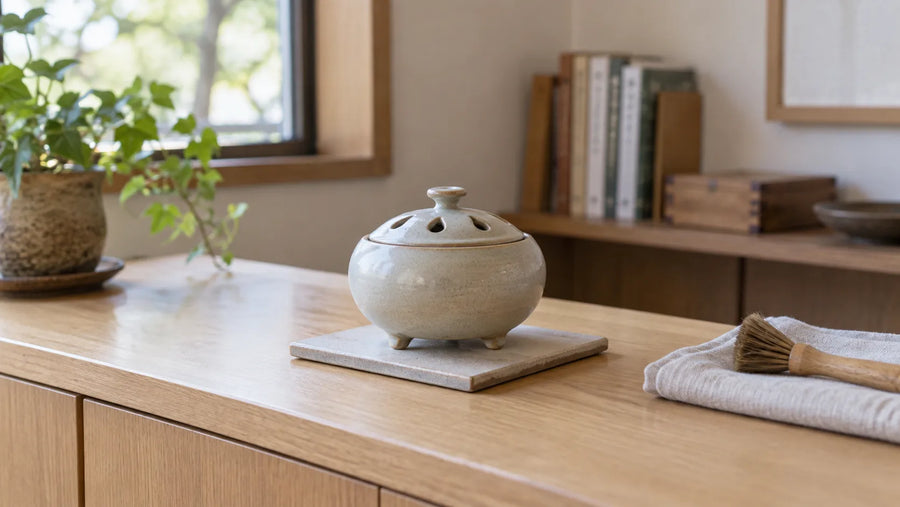
Care for Japanese incense burners and holders: cool fully before cleaning, maintain suitable ash, clear vents and follow the instructions for each finish and incense format.

Hang, clean and store Japanese wind chimes with care for their finish, cords and paper strip. Separate guidance for iron, ceramic and painted glass bells.

Care for a matcha bowl, chasen, chashaku and tea container separately: safe pre-wetting, prompt rinsing, thorough drying and storage that suits each utensil.

A daily cleaning routine for Japanese kyusu, with advice on ceramic and mesh strainers, tea stains, drying and using one pot for different teas.

Prepare, cook with and store a donabe using its model-specific instructions. Covers seasoning, a dry base before heating, cooling, cleaning and induction compatibility.