
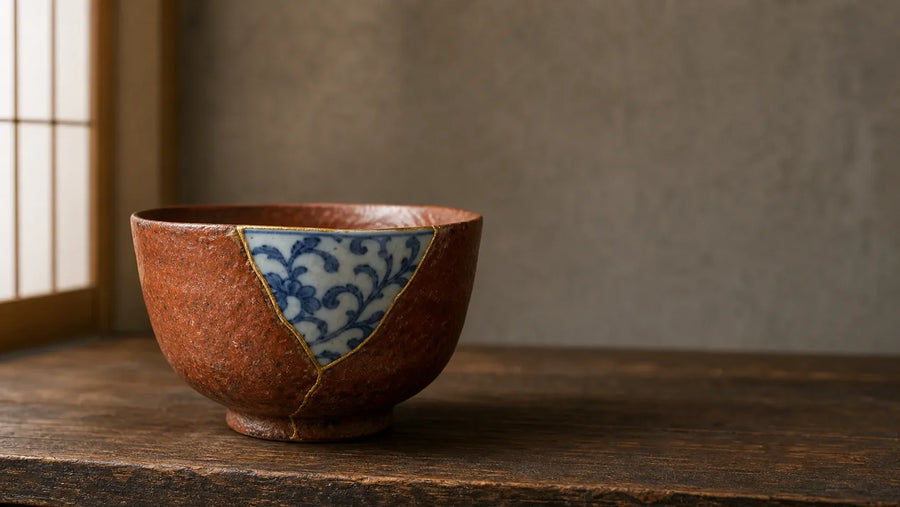
Yobitsugi: The Japanese Art of Patchwork Ceramic Repair
Yobitsugi joins fragments from different ceramics. Learn how the patchwork relates to gold and silver finishes, and what to confirm about a repaired vessel’s materials and use.
Yobitsugi joins fragments from different ceramics. Learn how the patchwork relates to gold and silver finishes, and what to confirm about a repaired vessel’s materials and use.

Silver-finished Japanese lacquer repair: how gin-tsugi differs in appearance from gold repair, how silver changes over time, and what to confirm before using a repaired vessel.

Identify stationary and electric lucky cats, compare model details, and care for their finishes, moving parts, and display.

Check microwave, dishwasher, oven and stovetop use separately. Product ratings matter: ordinary pottery is not automatically cookware, and coloured enamel is not automatically metal.
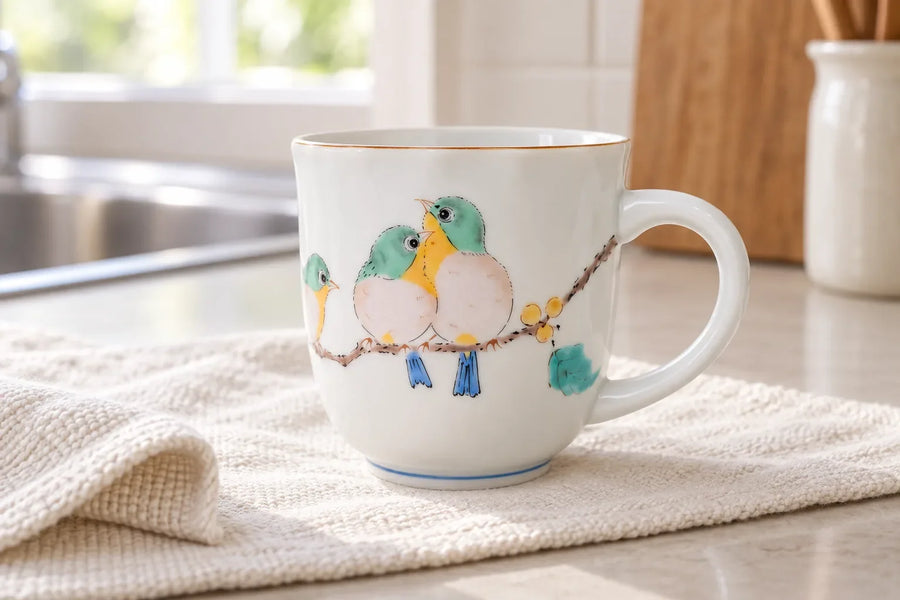
Remove tea stains according to the vessel and cleaner instructions. Protect decoration and repairs, keep strainers clear, and avoid universal baking-soda or bleach rules.
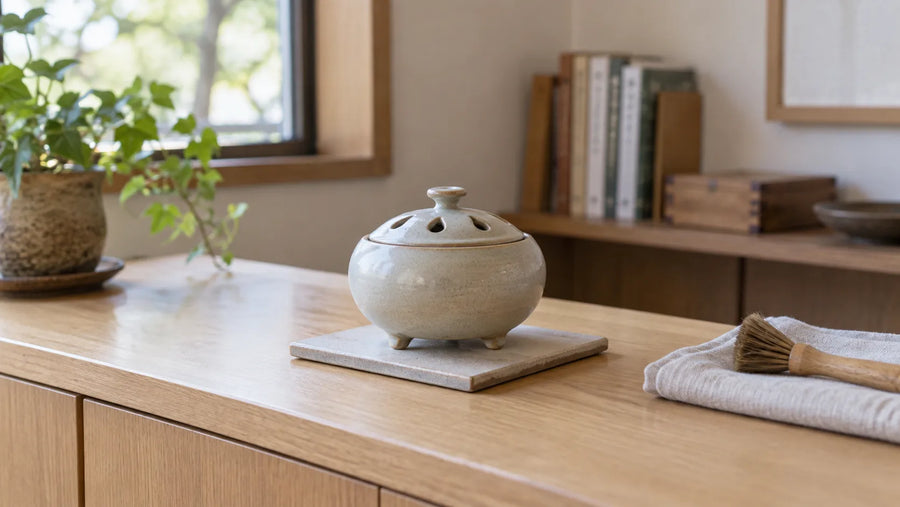
Care for Japanese incense burners and holders: cool fully before cleaning, maintain suitable ash, clear vents and follow the instructions for each finish and incense format.

Display and store Japanese woodblock prints with controlled light, suitable mounting and careful handling. Identify the paper and printing process, including in later reproductions.

Store Japanese pottery, lacquerware, glass and iron with suitable wrapping, dry surfaces and material-specific conditions. Preserve original boxes and records without assuming one humidity target fits all.
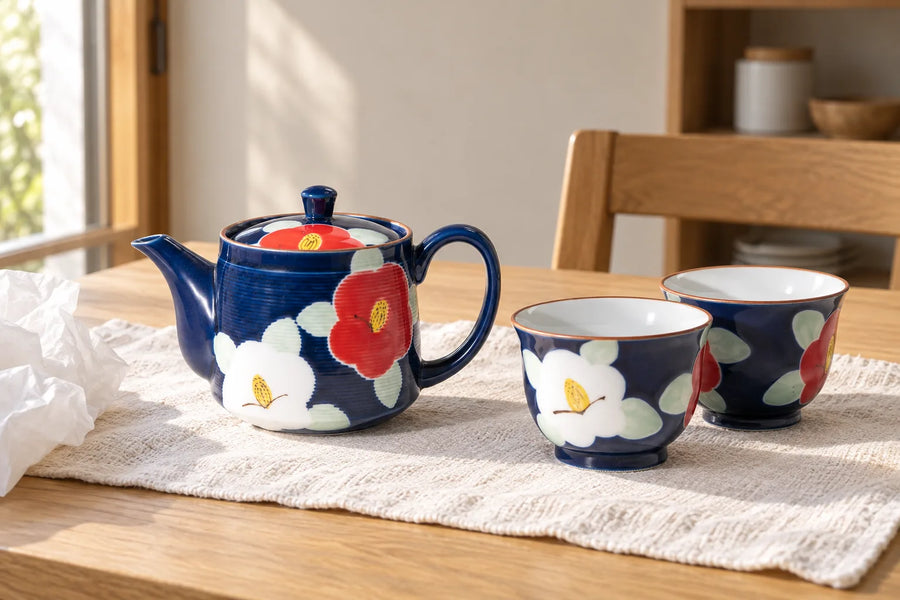
What to check before using new Japanese tableware, donabe, kettles and tea tools: intended use, maker instructions, gentle cleaning and complete drying.