HandMade In Japan Fes 2026: Craft, Materials and Makers
3 min readHandMade In Japan Fes 2026 took place at Tokyo Big Sight on July 11–12. Creema’s organiser guide described approximately 3,000 creator participations counted across the two days. That is a cumulative figure, not 3,000 distinct makers present at once. This article looks at the event’s craft themes through published sources.
A two-day meeting of crafts
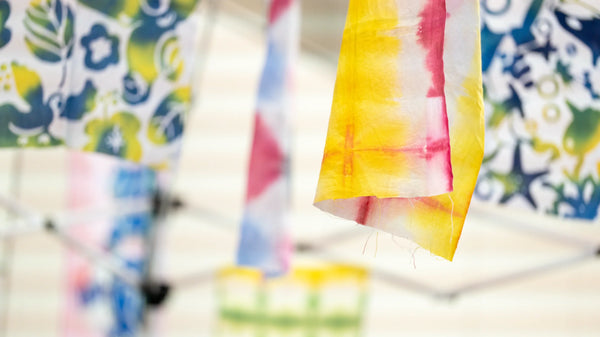
The organiser’s program brings together ceramics, textiles, glass, wood, jewellery, paper, food, and other work. Workshops and performances add opportunities to look beyond finished products and consider materials and making.

Looking at how objects are made
Live demonstrations and workshops can help visitors ask more specific questions about a process. An established example of Japanese woodcarving is the work of Ijiri Kazushige in Shiga. His workshop’s history provides context for the carving tradition discussed here, without substituting for a record of an interview.

His workshop, Ijiri Chōkokusho, comes from Maibara in Shiga Prefecture — the Kaminyū woodcarving village, where the craft has been handed down for roughly three hundred years. Founded in 1935, it keeps the realistic, deeply three-dimensional Suiun-bori (翠雲彫) style across three generations, carving everything from shrine and temple ornament and festival floats to Buddhist altars, transom panels, house nameplates, and small pet memorial pieces.
Te-shigoto no nukumori, the warmth of handwork, describes a personal response to an object. It can arise from a tool mark, an irregular edge, or the care taken over a small detail.
Looking closely at materials and processes helps make that response more specific.
Every object carries a material story
Material stories are worth asking about carefully. For wood, ask the maker to identify the species, finish, and any resin treatment. If a product claims a connection to a shrine or historic building, look for a named supplier and supporting provenance. An attractive story alone does not establish where the timber came from.
Paper, clay, and regional craft
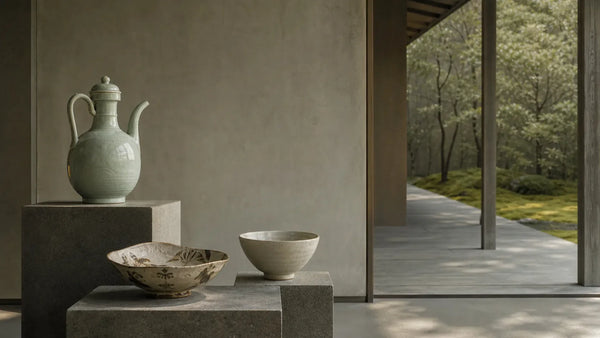
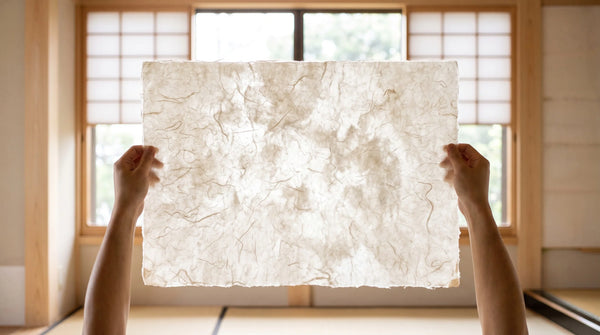
Paper and ceramics offer two useful paths into regional craft. Our guide to handmade washi discusses Hosokawa-shi, while Shigaraki stoneware introduces a ceramic region in nearby Shiga. At a craft fair, a named maker and a clear explanation of process give these regional labels substance.
Questions to carry forward

A fair can be a starting point for learning rather than a shortcut to authentication. Ask who made a piece, which steps were done by hand or with tools and machines, what materials were used, and how it should be cared for. These are useful questions when you choose an object online as well.
FAQ
What is HandMade In Japan Fes?
HandMade In Japan Fes is a craft event organised by Creema at Tokyo Big Sight, combining a marketplace with workshops and performances. For the July 2026 edition, the organiser described about 3,000 creator participations cumulatively across two days, not necessarily that many unique individuals.
When and where was HMJ 2026?
HandMade In Japan Fes 2026 was held over two days, July 11–12, 2026, at Tokyo Big Sight in Tokyo, open 11:00 to 19:00 — one of the country's largest gatherings of independent Japanese makers under one roof.
What kinds of crafts are shown at HandMade In Japan Fes?
The organiser listed ceramics, textiles, jewellery, woodwork, glass, art, food, and other categories, alongside performances and around seventy workshop types. The range lets visitors compare finished objects with opportunities to try a process.
Sources: Creema’s official HMJ 2026 guide, the linked Ijiri workshop profile, and Japan Finance Corporation’s account of Ijiri’s business. This version presents documented background rather than unverified conversations or material-provenance claims.