Seto
Seto Ware: The Kiln That Named Japanese Pottery
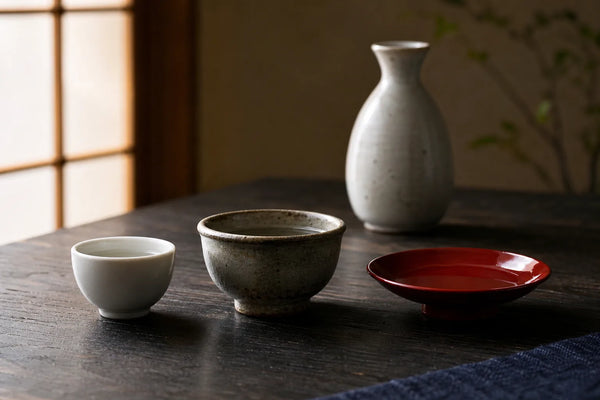
Seto ware is so old its name became setomono, the everyday Japanese word for pottery. A guide to Seto-yaki: its many glazes, its place among the Six Ancient...
The Journal
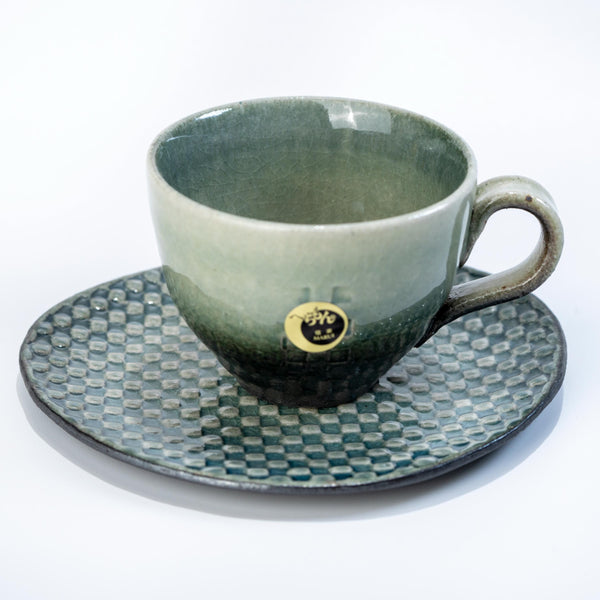 Hida Shunkei: The Transparent Lacquer That Shows the Wood
Hida Shunkei is Takayama's transparent lacquerware, where clear urushi over dyed cypress lets the wood grain show straight...
Hida Shunkei: The Transparent Lacquer That Shows the Wood
Hida Shunkei is Takayama's transparent lacquerware, where clear urushi over dyed cypress lets the wood grain show straight...
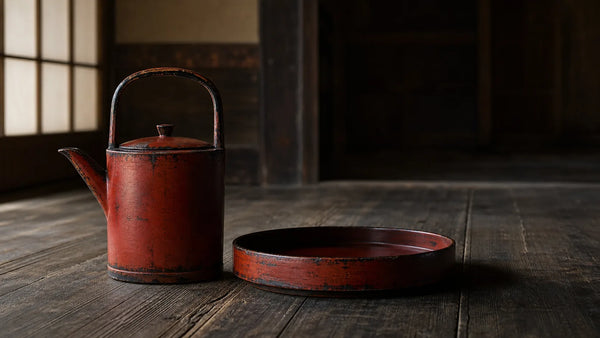 Negoro-nuri: Japan's Red-and-Black Lacquer Tradition
Negoro-nuri begins with vermilion laid over black urushi. Years of handling wear through the red and reveal the...
Negoro-nuri: Japan's Red-and-Black Lacquer Tradition
Negoro-nuri begins with vermilion laid over black urushi. Years of handling wear through the red and reveal the...
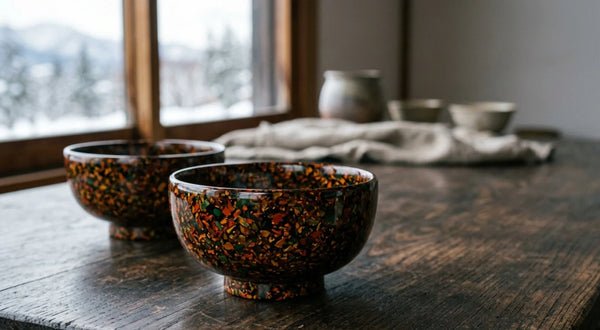 Tsugaru-nuri: Aomori's Layered, Polished Urushi Lacquerware
A Tsugaru-nuri surface is built by hiding color under color, then polishing back through dozens of urushi layers...
Tsugaru-nuri: Aomori's Layered, Polished Urushi Lacquerware
A Tsugaru-nuri surface is built by hiding color under color, then polishing back through dozens of urushi layers...
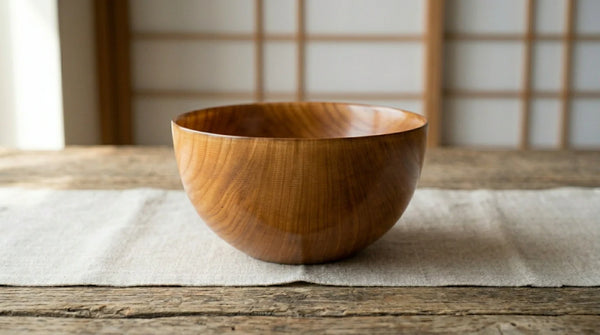 Yamanaka Lacquerware: Japan's Wood-Turned Urushi Tradition
Yamanaka lacquerware begins on the lathe. Thin wooden bowls are turned with exceptional precision, finished with translucent fuki-urushi,...
Yamanaka Lacquerware: Japan's Wood-Turned Urushi Tradition
Yamanaka lacquerware begins on the lathe. Thin wooden bowls are turned with exceptional precision, finished with translucent fuki-urushi,...
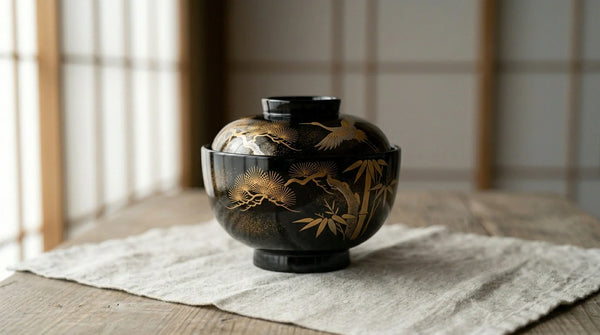 Maki-e: The Japanese Art of Sprinkled-Gold Lacquer
In maki-e, the image is dusted onto wet urushi in gold or silver powder, then sealed and polished...
Maki-e: The Japanese Art of Sprinkled-Gold Lacquer
In maki-e, the image is dusted onto wet urushi in gold or silver powder, then sealed and polished...
 Kishu Lacquerware (Kishu-shikki): Wakayama's Everyday Urushi Tradition
Kishu-shikki is Wakayama's urushi tradition, built for the dinner table rather than the display cabinet. Inside Negoro-nuri's red-over-black...
Kishu Lacquerware (Kishu-shikki): Wakayama's Everyday Urushi Tradition
Kishu-shikki is Wakayama's urushi tradition, built for the dinner table rather than the display cabinet. Inside Negoro-nuri's red-over-black...
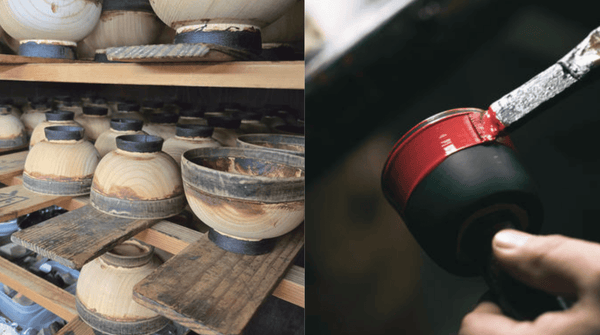 Wajima-nuri: Japan's Most Durable Urushi Lacquerware Tradition
Wajima-nuri is the urushi lacquerware tradition of Wajima city on the Noto Peninsula in Ishikawa Prefecture. Its diatomaceous-earth...
Wajima-nuri: Japan's Most Durable Urushi Lacquerware Tradition
Wajima-nuri is the urushi lacquerware tradition of Wajima city on the Noto Peninsula in Ishikawa Prefecture. Its diatomaceous-earth...
No studies match your search. Try a broader term.

ゼンキルン 誌
Stories, studies & care from the workshop
Deep dives into kilns, glazes, and the wares behind them.
Seto ware is so old its name became setomono, the everyday Japanese word for pottery. A guide to Seto-yaki: its many glazes, its place among the Six Ancient...
Living with and caring for handmade Japanese pieces.
Four ongoing series from the workshop — pick a thread and follow it.
Every story in the Journal, newest first.