

Is Ceramic Tableware Safer Than Plastic? What the Evidence Says
Plastic tableware can shed micro- and nanoplastics; ceramic glazes can, in some cases, release lead or cadmium. Here is what the evidence supports and how to use each...
Stories about craft, everyday use and care.
Plastic tableware can shed micro- and nanoplastics; ceramic glazes can, in some cases, release lead or cadmium. Here is what the evidence supports and how to use each...

Matcha contains caffeine, L-theanine and tea polyphenols. Here is what current research shows about alertness and attention, where the evidence stops, and how to make a bowl you...

A matcha bowl needs room for the whisk, a shape that suits how you drink, and an interior that shows the tea. Here is how to choose one,...
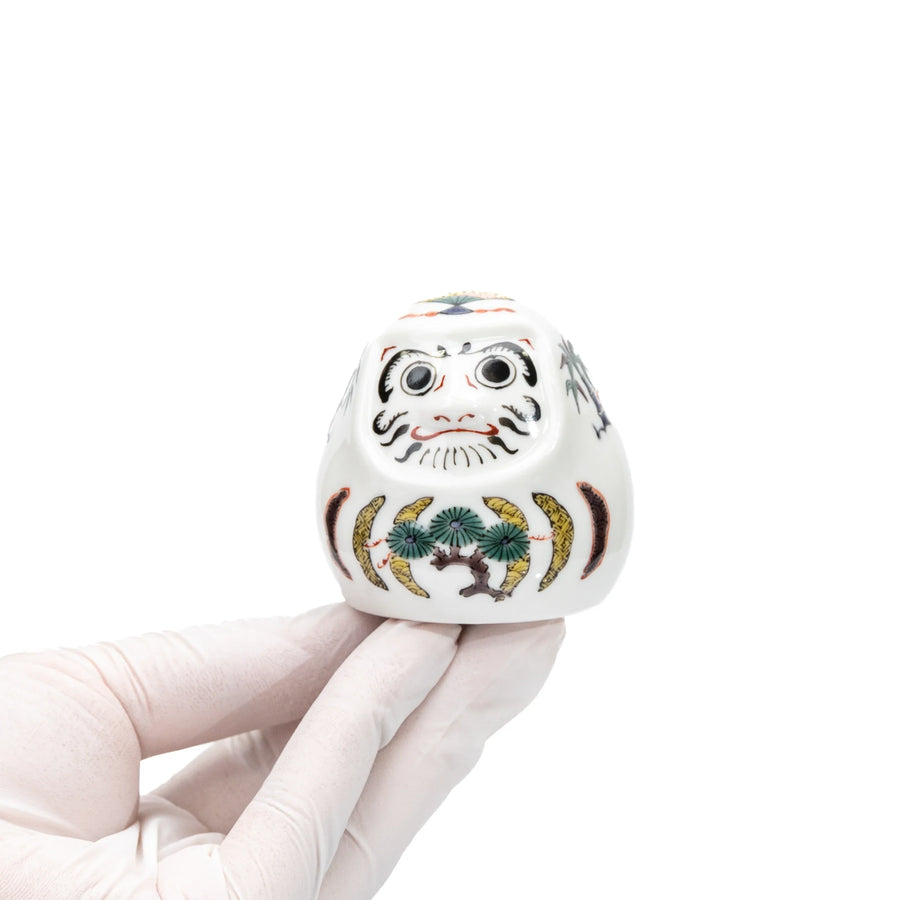
A daruma is a round, weighted figure traditionally associated with Bodhidharma, the Indian monk credited with bringing Chan Buddhism to China. Learn about its symbolism, the eye-filling custom,...

Kutani village history, Arita evidence for Ko-Kutani-style porcelain, Yoshidaya’s revival, and Meiji exports—without dating objects from style or marks alone.

Build a Japanese hot pot setting with a suitable donabe, tonsui bowls, and renge spoons. Compare model-specific capacity, heat sources, and care.

Explore Edo Kiriko, Tokyo’s cut-glass tradition: clear and coloured glass, familiar geometric patterns, comparison with Satsuma Kiriko, and gentle care.

Hagi tea ceramics from Yamaguchi: Korean origins, glaze crackle, gradual colour changes, and careful guidance on washing, drying, and leakage.

Hasami porcelain from Nagasaki: everyday bowls, Yodo River kurawanka boats, neighbouring Arita traditions, and what to check before buying.