Kutani
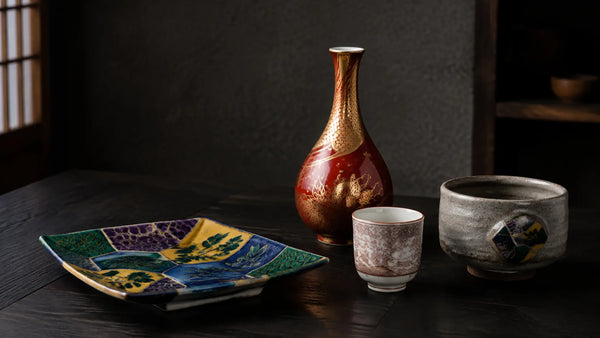
Kutani Ware History: Ko-Kutani, Yoshidaya, and Japan Kutani
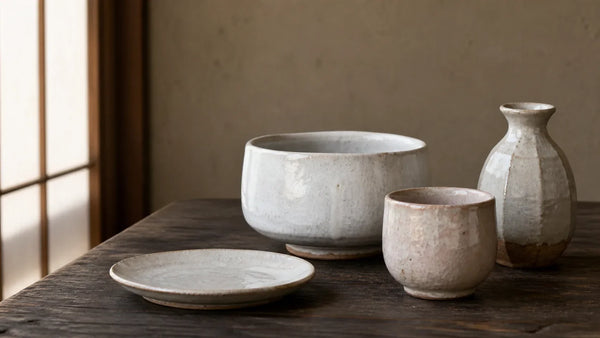
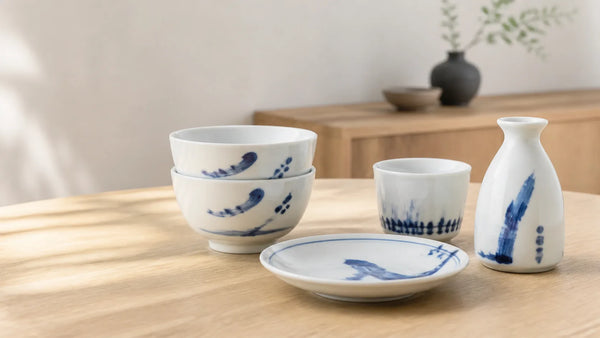
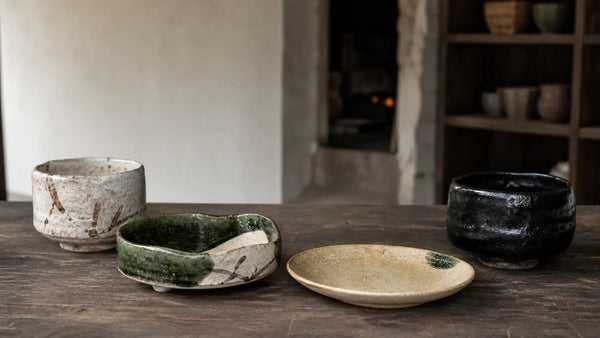
Kutani village history, Arita evidence for Ko-Kutani-style porcelain, Yoshidaya’s revival, and Meiji exports—without dating objects from style or marks alone.
The Journal
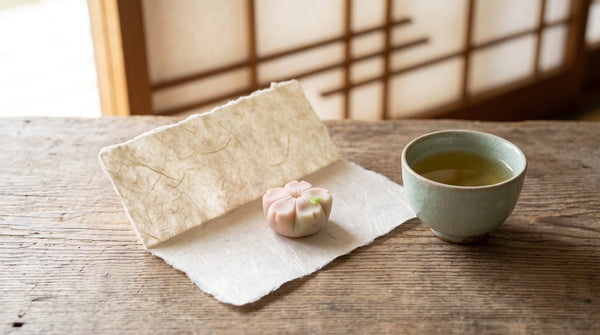 Washi at the Tea Table: Where Paper Meets Ceramic
Kaishi, paper mats, notes and gift wrapping at the tea table, with clear distinctions for tea etiquette, food...
Washi at the Tea Table: Where Paper Meets Ceramic
Kaishi, paper mats, notes and gift wrapping at the tea table, with clear distinctions for tea etiquette, food...
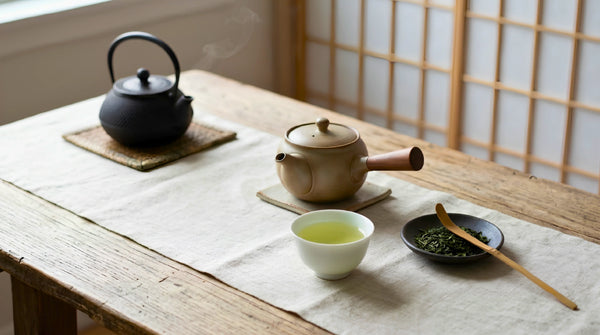 The Six Essentials of Tea: Leaf, Water, Fire, Vessel, Setting, Person
Six practical things to consider when brewing tea: leaf, water, temperature, vessel, setting, and attention. Start with the...
The Six Essentials of Tea: Leaf, Water, Fire, Vessel, Setting, Person
Six practical things to consider when brewing tea: leaf, water, temperature, vessel, setting, and attention. Start with the...
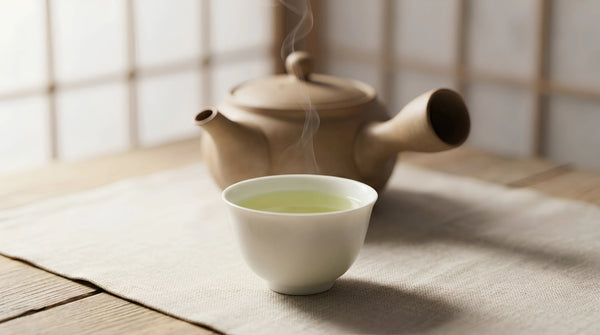 How to Appreciate Tea Aroma: Leaf, Brew and Empty Cup
Notice tea fragrance in the leaf, the warm brew, and the empty cup. A practical guide to aroma,...
How to Appreciate Tea Aroma: Leaf, Brew and Empty Cup
Notice tea fragrance in the leaf, the warm brew, and the empty cup. A practical guide to aroma,...
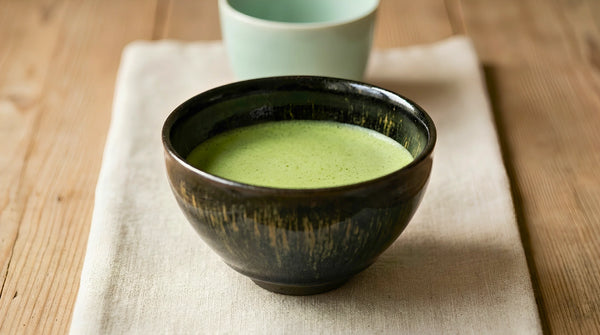 What Tea Goes With What Glaze: A Pairing Guide by Color
Visual pairings for matcha, sencha, and roasted teas: compare dark glaze, celadon, white porcelain, slip decoration, and unglazed...
What Tea Goes With What Glaze: A Pairing Guide by Color
Visual pairings for matcha, sencha, and roasted teas: compare dark glaze, celadon, white porcelain, slip decoration, and unglazed...
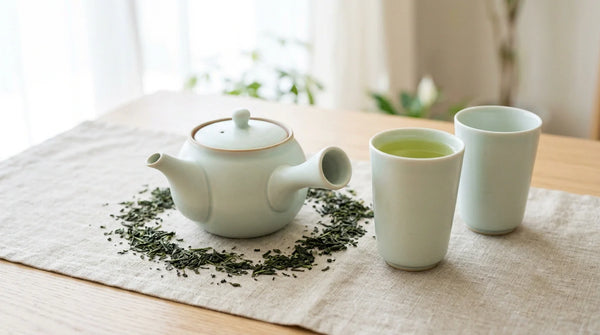 The Beginner's Tea Set: What You Need to Brew Sencha at Home
Start brewing sencha with a practical teapot, cups, and a repeatable recipe. Learn about kyusu handles, water temperature,...
The Beginner's Tea Set: What You Need to Brew Sencha at Home
Start brewing sencha with a practical teapot, cups, and a repeatable recipe. Learn about kyusu handles, water temperature,...
No studies match your search. Try a broader term.

ゼンキルン 誌
Japanese craft, everyday use and care
Deep dives into kilns, glazes, and the wares behind them.
Kutani village history, Arita evidence for Ko-Kutani-style porcelain, Yoshidaya’s revival, and Meiji exports—without dating objects from style or marks alone.
Practical reading for the pieces you use every day.
Four collections of stories on tea bowls, lacquer, color and care.
Browse the Journal, newest first. For our specialist collections, visit Series above.