Kutani
Kutani Ware History: Ko-Kutani, Yoshidaya, and Japan Kutani
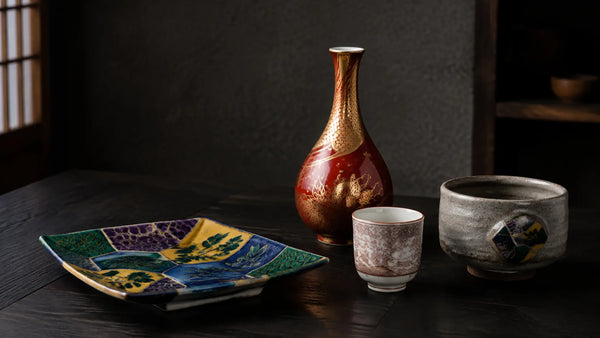
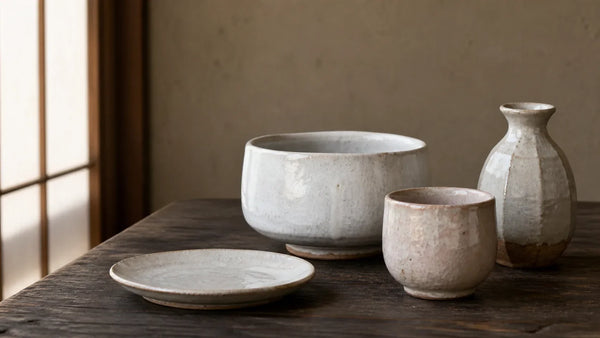
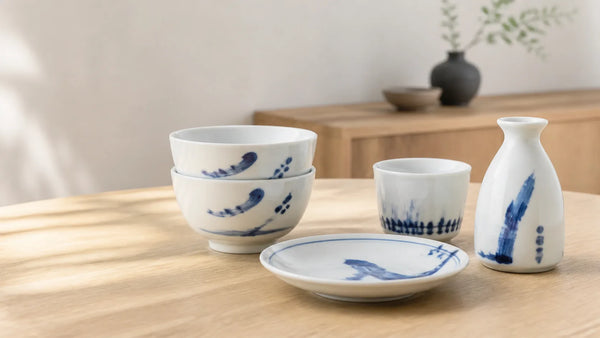
Kutani village history, Arita evidence for Ko-Kutani-style porcelain, Yoshidaya’s revival, and Meiji exports—without dating objects from style or marks alone.
The Journal
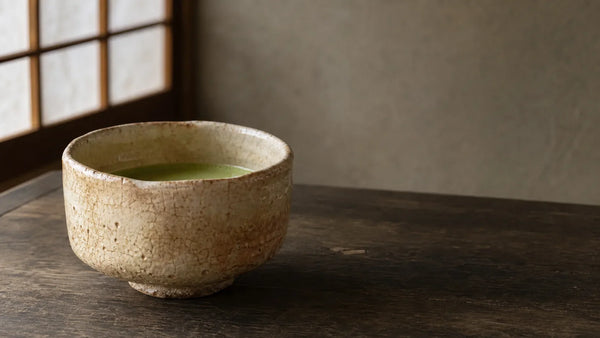 Hagi no Nanabake: Why Hagi Ware Changes Color With Use
Hagi no nanabake describes the changing appearance of absorbent Hagi ware. Understand glaze crackle, the tea tradition and...
Hagi no Nanabake: Why Hagi Ware Changes Color With Use
Hagi no nanabake describes the changing appearance of absorbent Hagi ware. Understand glaze crackle, the tea tradition and...
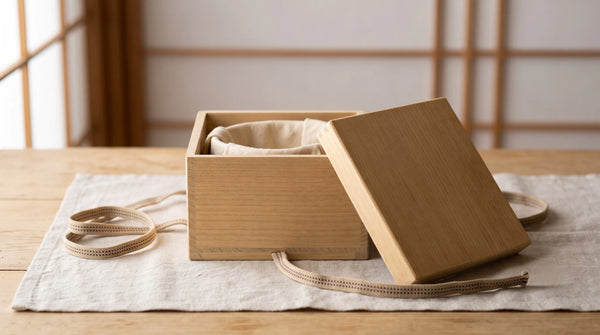 Kiri-bako: The Paulownia Box Behind a Japanese Tea Bowl
Kiri-bako, tomobako and hakogaki explained: paulownia storage boxes, artists’ inscriptions, provenance, and keeping a tea bowl dry and...
Kiri-bako: The Paulownia Box Behind a Japanese Tea Bowl
Kiri-bako, tomobako and hakogaki explained: paulownia storage boxes, artists’ inscriptions, provenance, and keeping a tea bowl dry and...
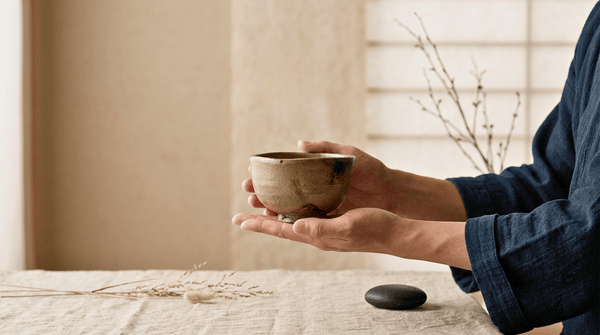 How to Hold a Chawan: Etiquette, Grip, and Why It Matters
Hold and turn a matcha bowl with care. An Urasenke usucha example explains the drinking point, kaishi and...
How to Hold a Chawan: Etiquette, Grip, and Why It Matters
Hold and turn a matcha bowl with care. An Urasenke usucha example explains the drinking point, kaishi and...
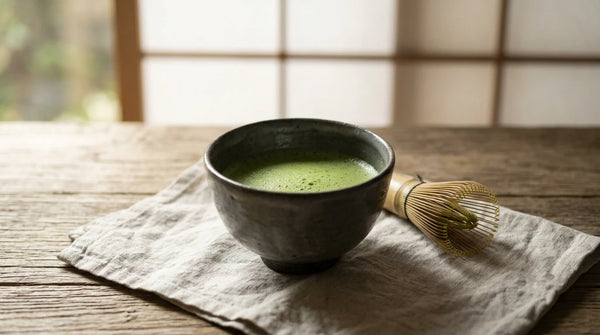 Five Tea-Bowl Traditions in Japanese Tea Culture
An introduction to Raku, Hagi, Karatsu, Mino and Korean Ido tea bowls: their forms, glazes and histories, and...
Five Tea-Bowl Traditions in Japanese Tea Culture
An introduction to Raku, Hagi, Karatsu, Mino and Korean Ido tea bowls: their forms, glazes and histories, and...
No studies match your search. Try a broader term.

ゼンキルン 誌
Japanese craft, everyday use and care
Deep dives into kilns, glazes, and the wares behind them.
Kutani village history, Arita evidence for Ko-Kutani-style porcelain, Yoshidaya’s revival, and Meiji exports—without dating objects from style or marks alone.
Practical reading for the pieces you use every day.
Four collections of stories on tea bowls, lacquer, color and care.
Browse the Journal, newest first. For our specialist collections, visit Series above.