Kutani
Kutani Ware History: Ko-Kutani, Yoshidaya, and Japan Kutani
Kutani village history, Arita evidence for Ko-Kutani-style porcelain, Yoshidaya’s revival, and Meiji exports—without dating objects from style or marks alone.
The Journal
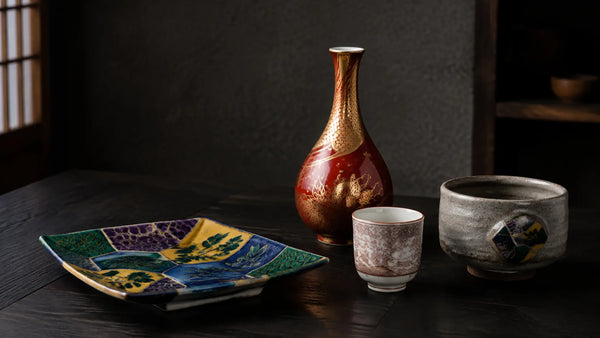 KutaniKutani Ware History: Ko-Kutani, Yoshidaya, and Japan Kutani
Kutani village history, Arita evidence for Ko-Kutani-style porcelain, Yoshidaya’s revival, and Meiji exports—without dating objects from style or...
KutaniKutani Ware History: Ko-Kutani, Yoshidaya, and Japan Kutani
Kutani village history, Arita evidence for Ko-Kutani-style porcelain, Yoshidaya’s revival, and Meiji exports—without dating objects from style or...
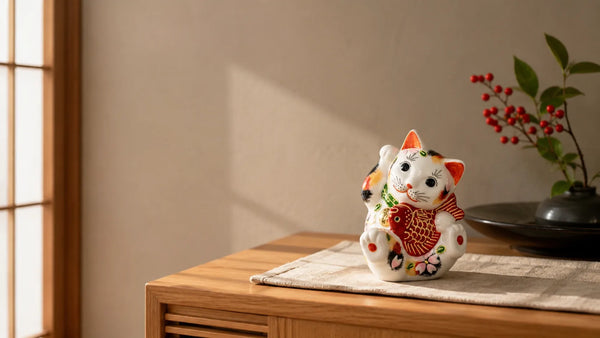 Red Lucky Cat Meaning (Maneki Neko): Protection and Health
Red Maneki Neko as a wish for health and protection, how decorative accents differ from a red body,...
Red Lucky Cat Meaning (Maneki Neko): Protection and Health
Red Maneki Neko as a wish for health and protection, how decorative accents differ from a red body,...
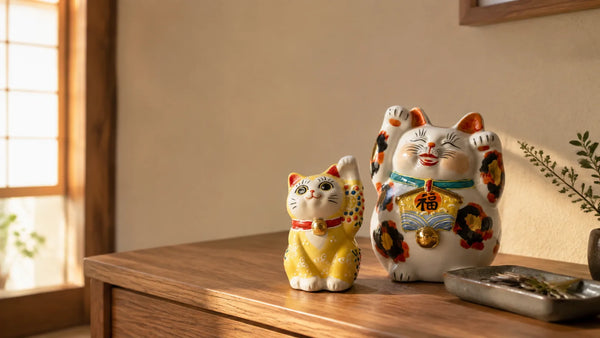 Gold and Yellow Maneki Neko: Different Colours, Different Wishes
Gold and yellow lucky cats can carry different meanings. Explore regional symbolism, paw position, and the difference between...
Gold and Yellow Maneki Neko: Different Colours, Different Wishes
Gold and yellow lucky cats can carry different meanings. Explore regional symbolism, paw position, and the difference between...
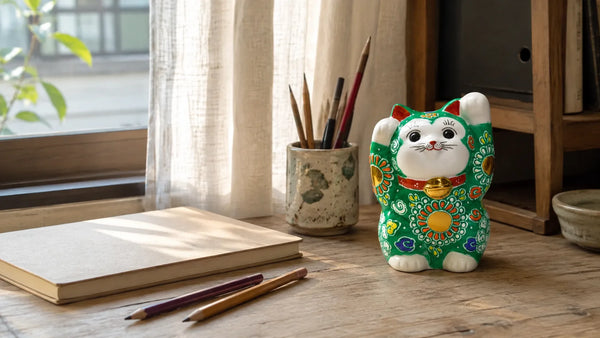 Green Maneki Neko Meaning: Study and Examination Wishes
Green lucky cats and wishes for examination success: regional colour meanings, raised paws, and choosing a thoughtful gift...
Green Maneki Neko Meaning: Study and Examination Wishes
Green lucky cats and wishes for examination success: regional colour meanings, raised paws, and choosing a thoughtful gift...
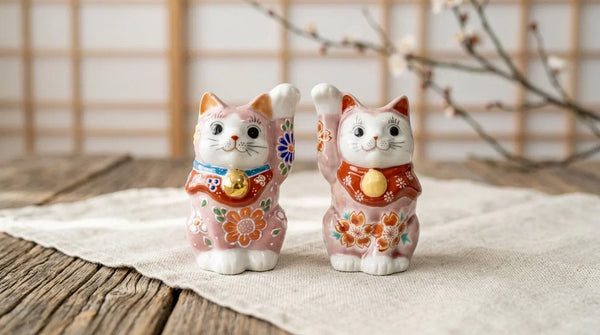 Pink Maneki Neko Meaning: The Lucky Cat of Love
Pink is the Maneki Neko of affection and relationships, a modern favorite among the lucky-cat colors. Here is...
Pink Maneki Neko Meaning: The Lucky Cat of Love
Pink is the Maneki Neko of affection and relationships, a modern favorite among the lucky-cat colors. Here is...
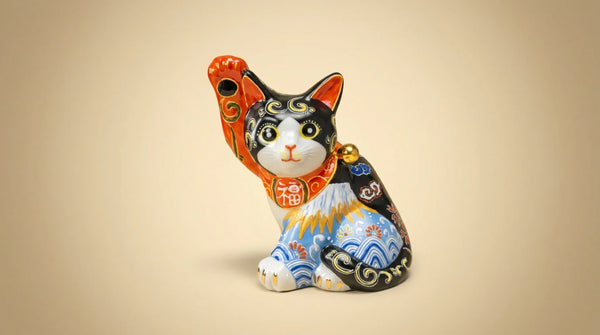 Black Maneki Neko Meaning: Protection and the Lucky Cat
Black maneki neko are commonly associated with yakuyoke, the warding off of misfortune. This guide explains that protective...
Black Maneki Neko Meaning: Protection and the Lucky Cat
Black maneki neko are commonly associated with yakuyoke, the warding off of misfortune. This guide explains that protective...
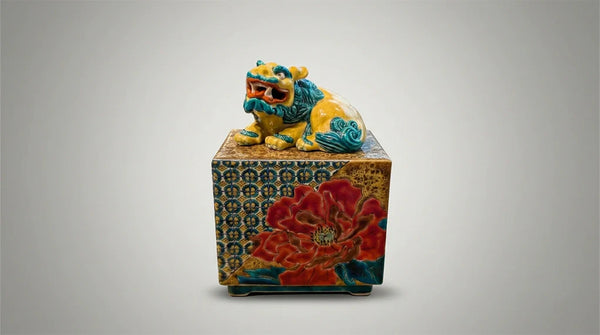 KutaniAsakura Isokichi: The Family That Reinvented Modern Kutani
Meet Asakura Isokichi II and the family behind Isokichi Shinkō-gama. A documented biography, changing Kutani colours and the...
KutaniAsakura Isokichi: The Family That Reinvented Modern Kutani
Meet Asakura Isokichi II and the family behind Isokichi Shinkō-gama. A documented biography, changing Kutani colours and the...
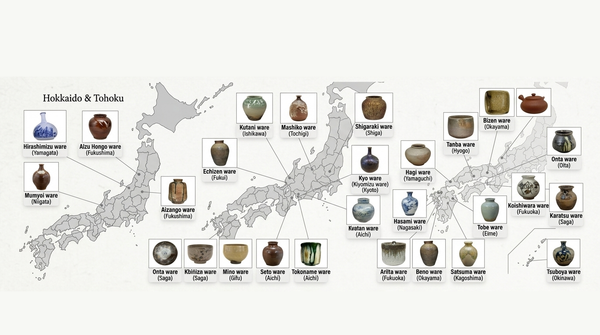 OverviewJapan's Pottery Regions: A Guide to Japanese Ceramics
Explore Japan’s pottery regions through their materials, techniques, and history—from the Six Ancient Kilns to Arita, Kutani, Mino,...
OverviewJapan's Pottery Regions: A Guide to Japanese Ceramics
Explore Japan’s pottery regions through their materials, techniques, and history—from the Six Ancient Kilns to Arita, Kutani, Mino,...
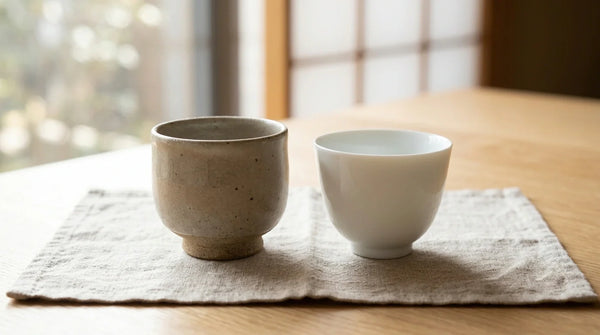 OverviewJapanese Stoneware vs Porcelain: Five Clues and Their Limits
Compare Japanese ceramic bodies through the foot, glaze and thin edge. Understand what these clues can tell you—and...
OverviewJapanese Stoneware vs Porcelain: Five Clues and Their Limits
Compare Japanese ceramic bodies through the foot, glaze and thin edge. Understand what these clues can tell you—and...
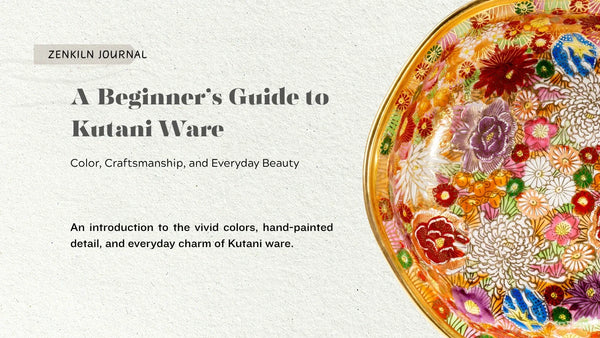 KutaniWhat Is Kutani Ware? A Beginner’s Guide to Japan’s Colorful Porcelain
Kutani ware is Japanese porcelain at its most painterly: vivid overglaze color, confident linework, and motifs that range...
KutaniWhat Is Kutani Ware? A Beginner’s Guide to Japan’s Colorful Porcelain
Kutani ware is Japanese porcelain at its most painterly: vivid overglaze color, confident linework, and motifs that range...
No studies match your search. Try a broader term.

ゼンキルン 誌
Japanese craft, everyday use and care
Deep dives into kilns, glazes, and the wares behind them.
Kutani village history, Arita evidence for Ko-Kutani-style porcelain, Yoshidaya’s revival, and Meiji exports—without dating objects from style or marks alone.
Practical reading for the pieces you use every day.
Four collections of stories on tea bowls, lacquer, color and care.
Browse the Journal, newest first. For our specialist collections, visit Series above.